
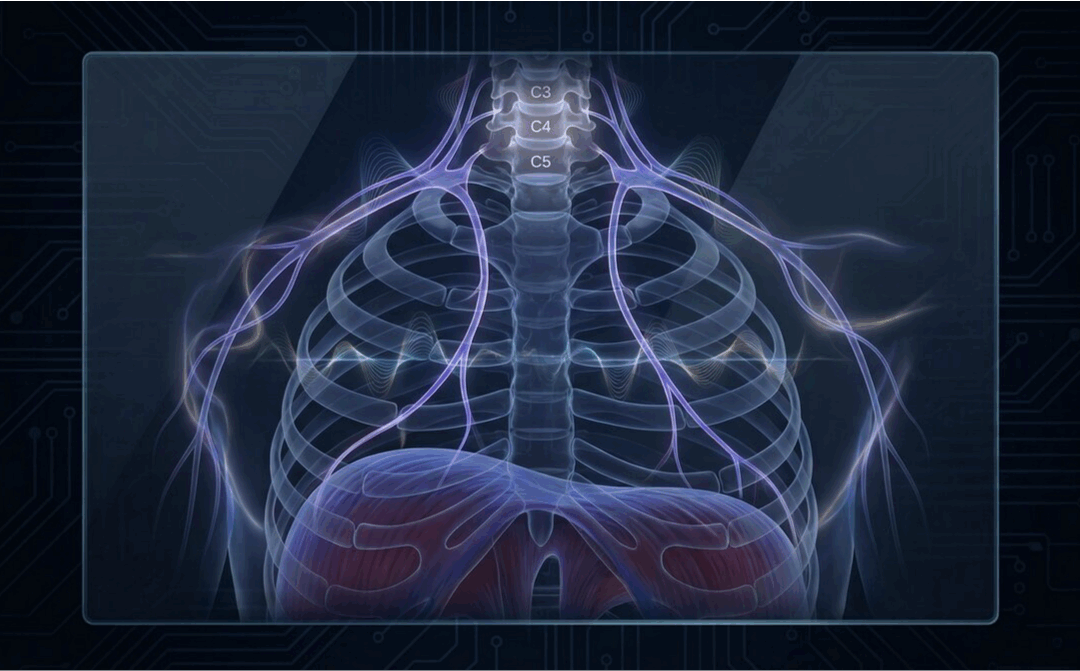
What if the key to unlocking profound respiratory relief and boundless energy wasn’t in a pill or an inhaler, but in a forgotten nerve deep within your chest? What if you could reset this nerve, along with your diaphragm and thoracic pathways, using advanced energetic frequencies that billionaires and elite biohackers have been quietly using for years? This isn’t science fiction; it’s the breakthrough science of Advanced Energetics, and it’s about to change everything you thought you knew about breathing and vitality.
For too long, mainstream medicine has overlooked the intricate energetic systems that govern our most fundamental biological processes. But a growing body of research is revealing the profound connection between our nervous system, our respiratory health, and the subtle energy fields that permeate our bodies. At the forefront of this revolution is the Diaphragm, Phrenic Nerve, Thoracic Nerve Reset, Advanced Energetics program, a groundbreaking approach to respiratory wellness that harnesses the power of precisely calibrated frequencies to restore balance and function to the body’s core systems.
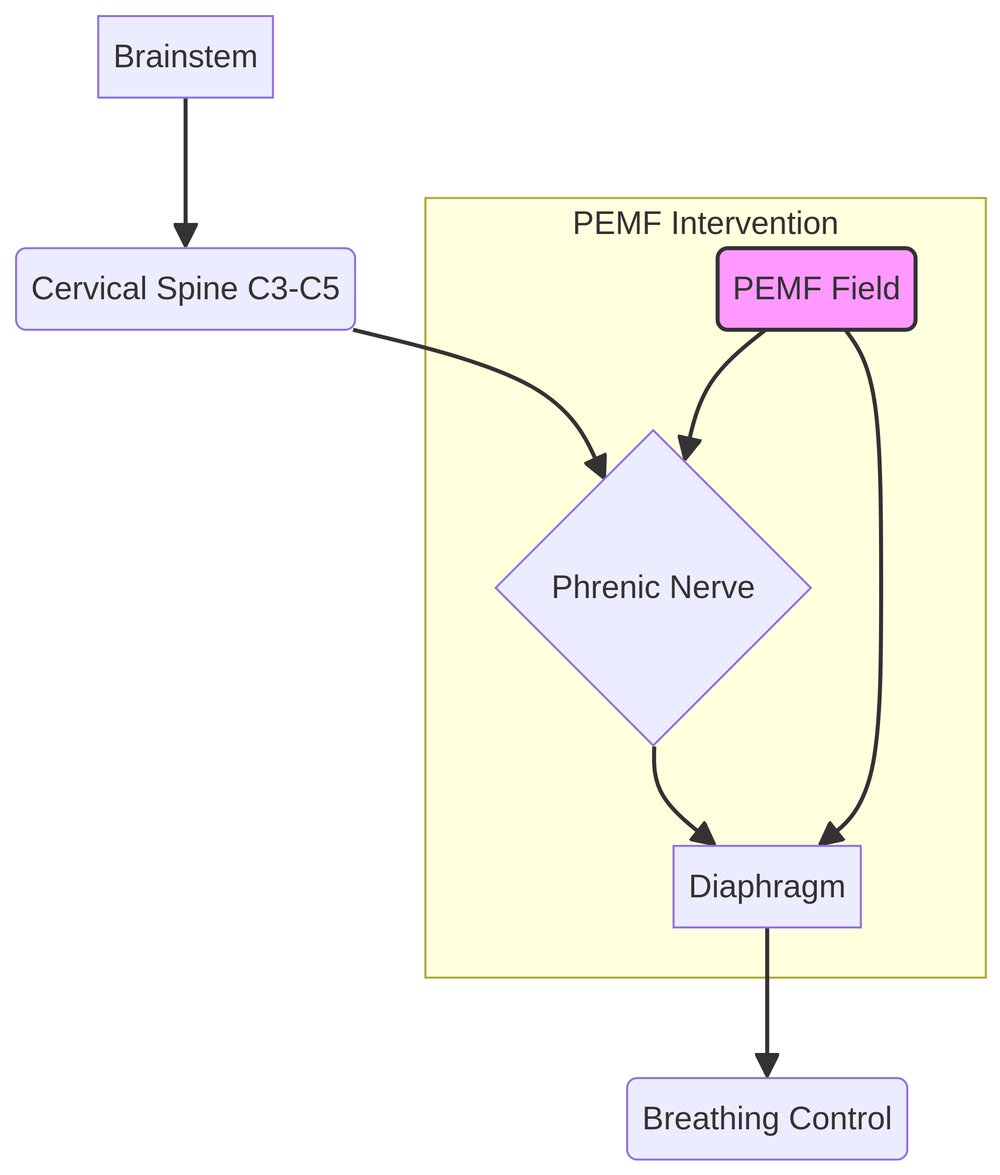
Figure 1: A simplified diagram illustrating the phrenic nerve pathway from the cervical spine to the diaphragm, and how PEMF fields can influence this critical connection for respiratory control.
The Science of Diaphragmatic Function and Dysfunction
The diaphragm is the primary muscle of respiration, a large, dome-shaped sheet of muscle that separates the thoracic cavity from the abdomen. Its rhythmic contractions, controlled by the phrenic nerve, are responsible for the majority of our breathing. The phrenic nerve originates from the cervical spine (C3-C5) and travels down through the chest to innervate the diaphragm. When the phrenic nerve sends a signal, the diaphragm contracts and flattens, creating a vacuum in the chest that draws air into the lungs. When it relaxes, the diaphragm returns to its dome shape, and air is exhaled. This seemingly simple process is vital for life, yet it can be easily disrupted.
Diaphragmatic dysfunction can arise from a wide range of issues, including nerve damage, muscle weakness, and mechanical ventilation.[1] When the diaphragm is weak or paralyzed, the body is forced to rely on accessory muscles in the neck and chest to breathe. This is not only inefficient but can lead to a cascade of symptoms that significantly impact quality of life. These symptoms can range from mild exertional dyspnea (shortness of breath with activity) to severe respiratory failure.[2]
The Telltale Signs of Diaphragmatic Dysfunction
How do you know if your diaphragm is not functioning optimally? The symptoms can be subtle at first, often masquerading as other conditions. In cases of unilateral (one-sided) diaphragmatic dysfunction, many people are asymptomatic. However, as the condition progresses, or in cases of bilateral (two-sided) dysfunction, the signs become more pronounced. Common symptoms include:
- Orthopnea: Difficulty breathing when lying flat. This is a hallmark symptom of diaphragmatic weakness, as the supine position increases the workload on the diaphragm.
- Exertional Dyspnea: Shortness of breath during physical activity.
- Paradoxical Breathing: An abnormal breathing pattern where the abdomen moves inward during inhalation and outward during exhalation. This is a key clinical sign of diaphragmatic dysfunction.
- Sleep Disturbances: Frequent awakenings, vivid nightmares, and morning headaches can all be signs of nocturnal hypoventilation due to a weakened diaphragm.
- Use of Accessory Muscles: Noticeable tensing of the neck and shoulder muscles during breathing.
Why Frequency Precision and Harmonization Matter
Not all frequencies are created equal. The effectiveness of frequency-based therapies lies in their precision and the ability to create a resonant harmonic field. This is where many so-called “Rife machines” and single-tone generators fall short. While they may produce a single frequency, they lack the complexity and sophistication to address the multifaceted nature of biological systems. The body is not a single instrument, but a symphony of interconnected systems, each with its own resonant frequency. To truly effect change, you need a program that can address this complexity.
This is why phase-based programs with frequency sweeps are so crucial. Instead of a single, static frequency, these programs utilize a dynamic range of frequencies that are carefully orchestrated to create a powerful resonant effect. This is akin to the difference between a single note and a full symphony. The single note may be pleasant, but the symphony can move you to your core. Similarly, a single frequency may have a limited effect, but a harmonized frequency sweep can entrain the entire system, restoring balance and coherence.
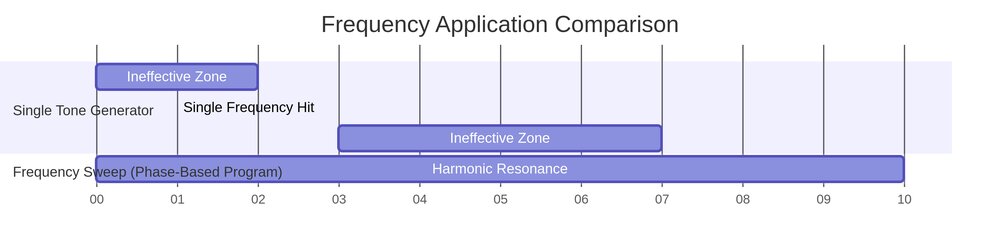
Figure 2: A conceptual illustration comparing the limited impact of a single-tone generator to the comprehensive and resonant effect of a phase-based frequency sweep.
The importance of this approach is highlighted in research on vagus nerve stimulation, where specific frequencies have been shown to have distinct effects on the autonomic nervous system. For example, one study found that a 16 Hz frequency was particularly effective in reducing anxiety and improving sleep quality, while a 6 Hz frequency had a contra-placebo effect.[3] This demonstrates the critical need for precision and the use of phase-based programs that can deliver the right frequencies at the right time.
Spectral Analysis: A Window into the Energetic Landscape
The spectral images below provide a visual representation of the complex frequency patterns within the Diaphragm, Phrenic Nerve, Thoracic Nerve Reset program. Unlike the chaotic and noisy output of a single-tone generator, these spectrograms reveal a highly structured and coherent energetic landscape. This is the hallmark of a professionally designed, phase-based program.

Figure 3: This spectrogram displays the initial phase of the program, characterized by a series of cascading frequencies. This “sweep” is designed to gently entrain the nervous system, preparing it for the more targeted frequencies to come. The distinct bands of color represent different frequency clusters, each with a specific therapeutic purpose.

Figure 4: This image shows a later phase of the program, where the frequencies become more focused and intense. The dense, harmonic structure of these frequencies is what allows them to penetrate deep into the body, reaching the cellular level to promote healing and regeneration. The bright, continuous bands indicate a sustained and powerful resonant field.
The technical interpretation of these images reveals a program that is both sophisticated and elegant. The frequency sweeps are not random; they are precisely modulated to create a specific biological response. The harmonic density is a measure of the program’s power and coherence. The higher the density, the more effective the program will be at entraining the body’s energetic systems. The biological significance of these patterns is profound. By mimicking the body’s own natural frequencies, these programs can help to restore balance and function to the nervous system, improve respiratory function, and promote a state of deep relaxation and well-being.
Related PEMF Programs
The Diaphragm, Phrenic Nerve, Thoracic Nerve Reset, Advanced Energetics program is a powerful tool for respiratory wellness, but it is just one piece of the puzzle. To address the full spectrum of energetic imbalances that can contribute to respiratory issues, consider exploring these related programs:
- Phrenic Nerve 25X Stimulation Combined Pulsed Energetics
- Phrenic Nerve 25X Stimulation Interval Energetic
- Phrenic Nerve Tonic 25X Stimulation Energetic
- 10Hz Alpha Vagus Nerve
- Nerve Complete Health and Recover Advanced Energetics
- Nerve Regeneration System Health
- 584 Hz Nogier, Nerve, Digestion, Respiration, Urinary System, Hearing Energetics
- Cervical Nerve Reset, Neck-Arm Neural Decompression & Parasympathetic Energetics
- Cytomegalovirus, CMV, Herpes Family Reactivation Patterns, Nervous & Immune Reset Energetics
- Albuterol-Airflow, Relief, Breathing, Healing Advanced Energetics Program
- Synkinesis Neural Coordination Energetics
- 292 Hz Nogier, Hair, Nails, Glands, Nerves, Eyes, Ears, Teeth Energetics
Best Practices and What to Expect
To fully experience the benefits of the Diaphragm, Phrenic Nerve, Thoracic Nerve Reset program, it is essential to follow a consistent protocol and use the appropriate delivery devices. Here’s how to get the most out of your energetic therapy:
How to Use:
With iMprinter:
The program can be imprinted onto water or other substances using the iMprinter for continuous, subtle exposure throughout the day. This is an excellent way to maintain a constant resonant field in your body.
With iTorus i2 Coil:
Use the iTorus i2 Coil to generate a powerful, localized PEMF field for targeted application. For diaphragm and phrenic nerve issues, place the iTorus i2 near the upper thoracic or diaphragmatic region, not directly on the area of discomfort. This allows the frequencies to gently permeate the entire nerve pathway and surrounding tissues.
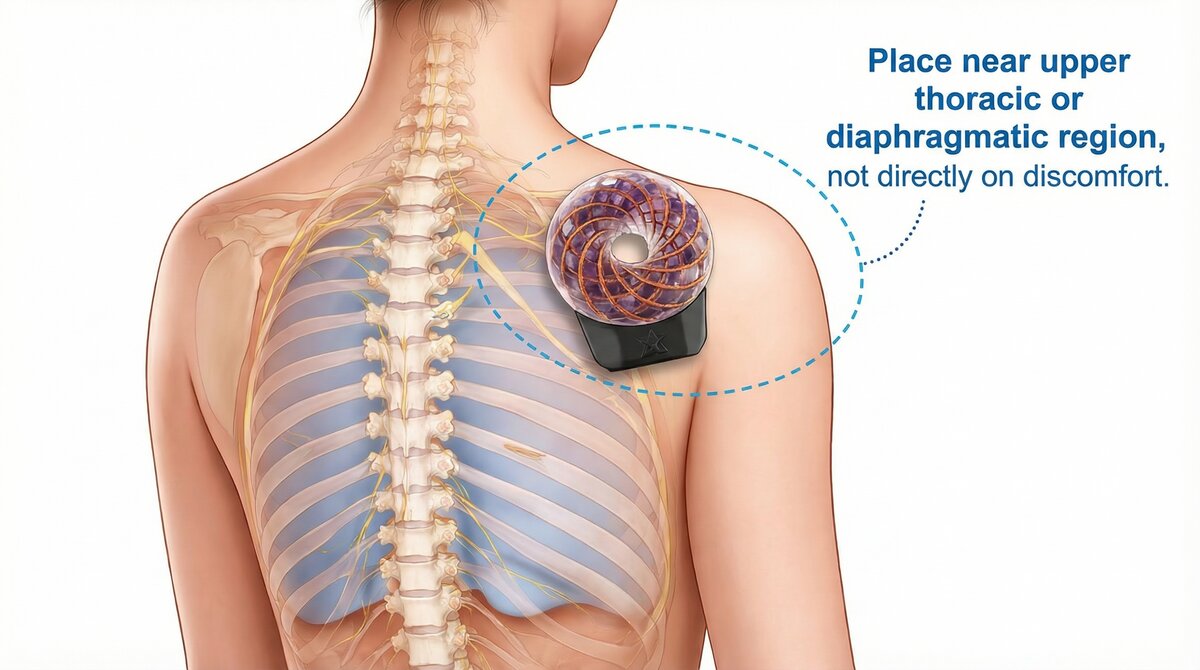
Figure 5: For optimal results, place the iTorus i2 near the upper thoracic or diaphragmatic region to influence the phrenic nerve pathway.
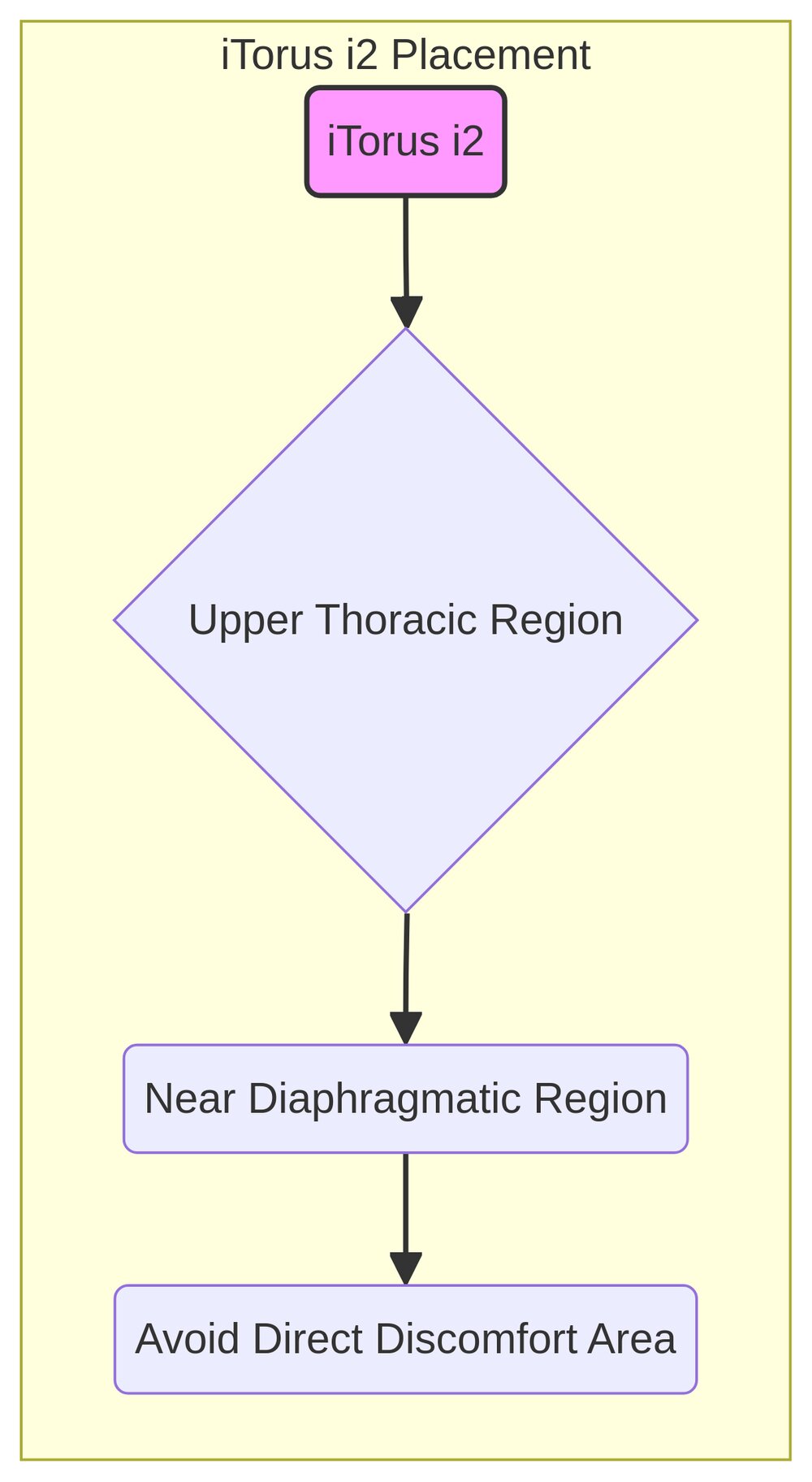
Figure 6: A simplified guide for iTorus i2 placement.
Daily Protocol:
For best results, use the Diaphragm, Phrenic Nerve, Thoracic Nerve Reset program daily. A typical session should last between 30 and 60 minutes. The best times to use the program are in the morning to energize your system for the day ahead, and in the evening to promote relaxation and restful sleep.
Weekly Protocol:
Consistency is key. Aim for at least 5-7 sessions per week. Over time, you can adjust the frequency and duration of your sessions based on your individual needs and response. Many users find that a consistent weekly protocol helps to maintain the benefits and prevent the recurrence of symptoms.
What to Expect:
The effects of PEMF therapy can be both immediate and cumulative. Some users report a sense of deep relaxation and improved breathing after just one session. Others may notice a gradual improvement over several days or weeks. Common experiences include:
- Deeper, more effortless breathing
- Reduced shortness of breath
- Improved sleep quality
- Increased energy and vitality
- A sense of calm and well-being
Who is this for?
This program is for anyone who is struggling with respiratory issues, from mild shortness of breath to more severe conditions like diaphragm dysfunction. It is also beneficial for athletes looking to improve their respiratory performance, and for anyone who wants to experience the profound benefits of a balanced and coherent energetic system.
How can this help?
By targeting the root cause of respiratory dysfunction – the energetic imbalances in the nervous system – this program can help to:
- Restore normal diaphragm function
- Improve breathing efficiency
- Reduce inflammation in the thoracic region
- Promote nerve regeneration
- Enhance overall respiratory health and well-being
Conclusion
In a world where we are constantly bombarded with toxins, stress, and electromagnetic pollution, it is more important than ever to take control of our health and well-being. The Diaphragm, Phrenic Nerve, Thoracic Nerve Reset program offers a powerful and effective way to do just that. By harnessing the power of precisely calibrated frequencies, this program can help you to restore balance and function to your body’s core systems, so you can breathe easier, feel more energized, and live a life of vibrant health and vitality. Don’t let outdated paradigms and limited thinking hold you back. Embrace the future of healing and unlock your body’s full potential with the Diaphragm, Phrenic Nerve, Thoracic Nerve Reset, Advanced Energetics program.
References
- Panelli, A., Bartels, H. G., Krause, S., Verfuß, M. A., Grimm, A. M., Carbon, N. M., … & Schaller, S. J. (2023). First non-invasive magnetic phrenic nerve and diaphragm stimulation in anaesthetized patients: a proof-of-concept study. Intensive Care Medicine Experimental, 11(1), 1-1. https://doi.org/10.1186/s40635-023-00506-6
- Jesus, F., Hazenberg, A., Duiverman, M., & Wijkstra, P. (2025). Diaphragm dysfunction: how to diagnose and how to treat?. Breathe, 21(1). https://doi.org/10.1183/20734735.0218-2024
- Jerman, I., Škafar, M., Pihir, J., & Senica, M. (2025). Evaluating PEMF vagus nerve stimulation through neck application: A randomized placebo study with volunteers. Electromagnetic Biology and Medicine, 44(2), 173-186. https://doi.org/10.1080/15368378.2025.2462649
Medical Disclaimer: The information provided in this article is for educational purposes only and is not intended as a substitute for professional medical advice, diagnosis, or treatment. Always seek the advice of your physician or other qualified health provider with any questions you may have regarding a medical condition.