

Electromagnetic pain therapy is defined as the clinical application of controlled electromagnetic fields to modulate pain signals, reduce inflammation, and promote tissue repair without skin contact or surgical intervention. The field encompasses several distinct modalities, including Pulsed Electromagnetic Field (PEMF) therapy, repetitive Peripheral Magnetic Stimulation (rPMS), and high-frequency radiofrequency approaches such as TECAR. Each type operates at a different frequency band and intensity level, producing measurably different biological effects. Understanding the types of electromagnetic pain therapy available helps you match the right modality to your specific pain condition, recovery goal, and clinical setting.
1. What are the main types of electromagnetic pain therapy?
Electromagnetic pain therapy is the broader clinical category; the recognized industry term is electromagnetic field therapy (EMF therapy), with individual modalities classified by frequency, intensity, and mechanism of action. The primary types are PEMF therapy, rPMS, transcutaneous electrical nerve stimulation (TENS), interferential therapy (IFT), and radiofrequency therapy including TECAR. Each targets a different tissue depth and pain pathway. Selecting the wrong modality for a given condition is one of the most common reasons patients report inconsistent results.
The role of electromagnetic fields in pain management is organized around three frequency bands: low (1–1,000 Hz) for superficial pain modulation, medium (1–100 kHz) for deeper tissue penetration, and high (greater than 100 kHz) for thermal effects and cellular repair. TENS operates in the low band, IFT in the medium band, and TECAR in the high band. PEMF spans low to medium frequencies depending on the device protocol. This frequency architecture determines which tissue layers a therapy reaches and which biological processes it activates.
2. How does PEMF therapy relieve pain at the cellular level?
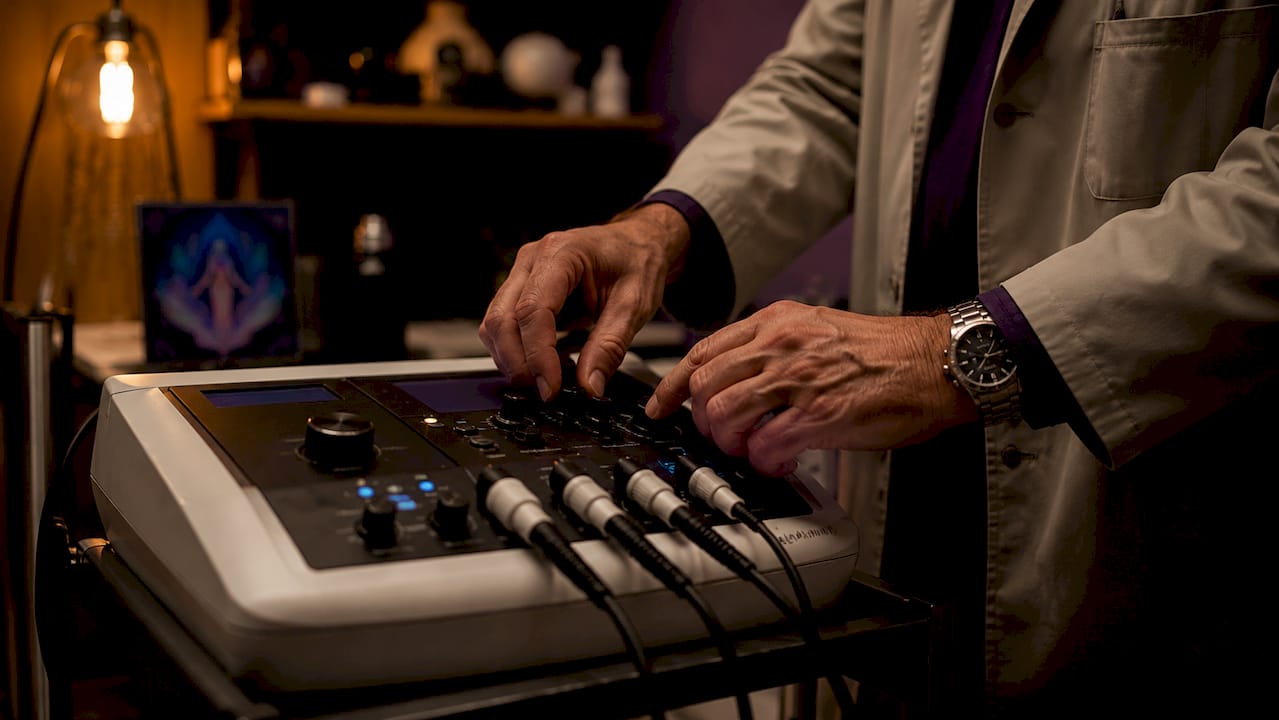
PEMF therapy is non-contact by design, inducing electrical currents inside cells without skin electrodes. The pulsed magnetic field penetrates clothing, fat, and bone, reaching joints and spinal structures that electrode-based methods like TENS cannot access at equivalent depth. This physical mechanism makes PEMF uniquely suited for deep musculoskeletal pain and post-surgical recovery.
Clinical evidence from a 2026 post-market surveillance study of 81 patients shows pain scores dropped from a mean of 8.07 pre-treatment to 1.79 post-treatment, a 6.28-point average reduction. Ninety-eight percent of participants reported at least a 2-point decrease on the pain scale. That magnitude of reduction, achieved without pharmacological intervention, positions PEMF as a clinically significant option for chronic pain sufferers who have exhausted conventional analgesic protocols.
Standard PEMF session parameters include:
- Session duration: 10–30 minutes per session
- Treatment course: 2–4 weeks for most chronic conditions
- Frequency range: Typically 1–100 Hz for pain and inflammation protocols
- Device categories: Wellness devices (general use) and FDA-cleared clinical systems (disease treatment claims)
Pro Tip: PEMF devices marketed for general wellness cannot legally claim disease treatment benefits under FDA regulations. If you are managing a diagnosed condition, verify whether the device you are considering holds FDA clearance for that specific indication, not just general wellness approval.
The evidence-based beginner’s guide at Pemfmagazine provides a thorough breakdown of PEMF protocols for readers new to bioelectric therapy.
3. How does rPMS differ from PEMF, and when is it used?
Repetitive Peripheral Magnetic Stimulation (rPMS) operates at significantly higher intensities than PEMF and produces visible muscle contractions as its primary therapeutic mechanism. Those contractions trigger rapid neuromodulatory effects, making rPMS the preferred choice for acute analgesia rather than the sustained tissue regeneration that PEMF delivers. The distinction matters clinically: rPMS addresses the pain signal immediately, while PEMF remodels the underlying tissue environment over time.
Key characteristics of rPMS include:
- Mechanism: High-intensity magnetic pulses inducing involuntary muscle contractions
- Primary use: Acute pain relief, muscle re-education after injury or surgery
- Session length: 10–15 minutes per session, often daily
- Speed of effect: Faster onset of analgesia compared to PEMF
- Comparison to PEMF: rPMS produces acute neuromodulatory effects; PEMF produces regenerative, anti-inflammatory influence over a longer course
Clinical reviews confirm that rPMS and PEMF serve complementary rather than competing roles in orthopedic pain management. A patient recovering from a rotator cuff repair, for example, might use rPMS in the first week for immediate pain control, then transition to PEMF over the following three weeks to support tissue remodeling. This sequencing reflects how the two modalities address different phases of the pain and healing continuum.
4. What role does radiofrequency therapy (TECAR) play in pain management?
TECAR (Transfer of Energy Capacitive and Resistive) therapy operates above 100 kHz, placing it firmly in the high-frequency band where biological effects shift from pure neuromodulation to a combination of deep tissue heating and active cellular repair. The thermal component increases local blood flow and accelerates metabolic activity in damaged connective tissue. The pulsed mode of TECAR delivers these effects without sustained heat buildup, making it tolerable for patients with inflammatory conditions.
High-frequency radiofrequency therapies like TECAR show improved pain relief and functional recovery when integrated with active rehabilitation exercise programs. This is a critical distinction from PEMF and rPMS, which are typically administered as standalone sessions. TECAR functions best as a complement to physical therapy, extending analgesia into functional movement gains rather than replacing structured rehabilitation.
| Therapy | Frequency range | Primary mechanism | Best application |
|---|---|---|---|
| TENS | 1–1,000 Hz | Gate control, superficial nerve modulation | Superficial acute pain |
| PEMF | 1–100 Hz (typical) | Cellular electromagnetic induction, deep penetration | Chronic pain, tissue regeneration |
| rPMS | High intensity, pulsed | Muscle contraction, neuromodulation | Acute analgesia, muscle re-education |
| TECAR | Greater than 100 kHz | Deep tissue heating, cellular repair | Musculoskeletal rehab, chronic deep pain |
| IFT | 1–100 kHz | Medium-depth nerve and muscle stimulation | Deeper soft tissue pain |
Pro Tip: TECAR’s thermal mode is contraindicated over metal implants and active infection sites. Always confirm implant status before scheduling a high-frequency radiofrequency session, particularly for patients with spinal hardware.
5. How do frequency ranges and session protocols influence effectiveness?
Frequency selection in electrotherapy directly determines which tissue depth and biological target a therapy reaches. Low-frequency currents (1–1,000 Hz) stimulate superficial sensory nerves, making them effective for surface-level pain modulation through the gate control mechanism. Medium-frequency currents (1–100 kHz), as used in IFT, penetrate deeper soft tissue with less skin resistance. High-frequency currents above 100 kHz generate thermal and repair effects in deep musculoskeletal structures.
Session protocol parameters are equally determinative. Standard magnetic field therapy sessions run 10–30 minutes over 2–4 weeks for chronic conditions, while rPMS and Super Inductive System (SIS) protocols use shorter daily sessions of 10–15 minutes for rapid analgesia. The rationale is physiological: shorter, more frequent sessions maintain neuromodulatory momentum in acute pain states, while longer, less frequent sessions allow cumulative cellular repair in chronic conditions.
One underappreciated complication is device output variability. Millitesla and microtesla readings vary by device rather than reflecting standardized physical units, making direct comparisons between consumer and clinical devices unreliable. A device marketed at “high intensity” may deliver a fraction of the output of a clinical system using the same label. This variability is why protocol translation between a home wellness device and a hospital-grade system requires professional guidance rather than simple parameter matching.
The 10 kHz spinal protocol documented at Pemfmagazine illustrates how frequency specificity at the spinal level produces outcomes that broadband devices cannot replicate.
6. What factors should guide your choice of electromagnetic pain therapy?
The right electromagnetic therapy method depends on four variables: pain type (acute versus chronic), target tissue depth, desired speed of relief, and device availability. Acute pain with a clear neuromodulatory component responds fastest to rPMS or TENS. Chronic inflammatory conditions with deep tissue involvement respond better to PEMF or TECAR over a multi-week course. Matching modality to pain etiology is not optional; it is the primary determinant of outcome.
Practical selection criteria include:
- Pain chronicity: Acute pain favors rPMS or TENS; chronic pain favors PEMF or TECAR
- Tissue depth: Superficial conditions respond to TENS; deep joint or spinal conditions require PEMF or TECAR
- Speed of relief needed: rPMS delivers faster analgesia; PEMF delivers more durable tissue-level change
- Device access: Clinical rPMS and TECAR systems require a trained provider; PEMF devices are available for home use
- Budget and accessibility: Home PEMF devices range widely in cost and regulatory status; clinical systems require provider referral
Combining PEMF with complementary therapies such as ozone therapy may yield synergistic benefits for refractory conditions like fibromyalgia by addressing multiple pain pathways simultaneously. Research on multi-modal electromagnetic approaches suggests that mono-therapy reaches a ceiling for complex, centralized pain syndromes. This is where a sequenced protocol, designed by a clinician familiar with bioelectric medicine, produces results that no single modality achieves alone.
Pro Tip: Before purchasing a home PEMF device, request the device’s specific output specifications in millitesla and confirm whether it holds FDA clearance for your condition. Marketing language about “clinical strength” is not a regulatory designation.
Key takeaways
Electromagnetic field therapy encompasses multiple distinct modalities, and matching the correct frequency band and intensity to the specific pain condition is the single most important factor in treatment outcome.
| Point | Details |
|---|---|
| PEMF penetrates without contact | PEMF induces cellular currents through bone and tissue without electrodes, reaching deep joints and spinal structures. |
| rPMS delivers faster analgesia | rPMS uses high-intensity pulses to trigger muscle contractions, producing rapid pain relief suited to acute conditions. |
| Frequency band determines tissue depth | Low-frequency therapies target superficial nerves; high-frequency therapies like TECAR reach deep musculoskeletal tissue. |
| Device output is not standardized | Millitesla ratings vary by device, not by physical standard, so clinical guidance is required when translating protocols. |
| Multi-modal approaches outperform mono-therapy | Combining PEMF with complementary methods addresses multiple pain pathways for refractory or complex chronic pain. |
My read on where electromagnetic pain therapy is actually heading
The clinical literature is converging on a conclusion that practitioners in bioelectric medicine have held for years: no single electromagnetic modality covers the full spectrum of pain biology. rPMS is genuinely impressive for acute neuromodulation, and the speed of its analgesic effect is difficult to replicate with any non-pharmacological tool. But its effects are transient at the tissue level. PEMF’s strength is the opposite. The regenerative tissue effects documented in bioelectric research suggest durable changes in cellular membrane potential, mitochondrial activity, and inflammatory cytokine profiles. That is a different biological target entirely.
What I find underreported is the device credibility problem. The consumer PEMF market is saturated with devices that carry wellness claims while delivering outputs far below what clinical studies use. Patients invest in home devices, experience modest results, and conclude the therapy does not work. The therapy works. The device may not. Verifying FDA clearance status and requesting actual output specifications before purchase is not overcautious; it is the minimum due diligence for anyone managing a real pain condition.
The most promising direction in the field is sequenced multi-modal protocols: rPMS for acute pain control in the first phase, PEMF for regenerative consolidation in the second, and TECAR as a bridge to active rehabilitation in the third. That architecture addresses pain acutely, repairs tissue progressively, and restores function systematically. The research on combined approaches for fibromyalgia and refractory musculoskeletal pain is still early, but the mechanistic rationale is sound. Readers who follow Pemfmagazine’s coverage of phi-harmonic and scalar field protocols will recognize this sequencing logic as foundational to advanced bioelectric therapy design.
— Art
Explore deeper electromagnetic therapy protocols at Pemfmagazine
Pemfmagazine covers the full spectrum of bioelectric and vibrational medicine, from clinical PEMF protocols to complementary cellular therapies that extend pain relief into systemic regeneration.

For readers managing chronic pain, the intersection of electromagnetic therapy and hyperbaric oxygen therapy represents one of the most evidence-supported multi-modal approaches available today. Both modalities target cellular energy production and tissue oxygenation through non-invasive mechanisms, making their combination particularly relevant for post-injury recovery and long-term pain management. Pemfmagazine provides device reviews, protocol breakdowns, and science updates to help you make informed decisions about every therapy you consider.
FAQ
What is the most effective type of electromagnetic pain therapy?
PEMF therapy shows the strongest clinical evidence for chronic pain, with a 6.28-point average pain reduction in post-market surveillance data. For acute pain requiring rapid relief, rPMS produces faster analgesic onset through high-intensity muscle stimulation.
How does PEMF differ from TENS for pain relief?
PEMF penetrates through bone and tissue without skin contact, reaching deep joints and spinal structures. TENS operates at low frequencies targeting superficial sensory nerves and requires electrode contact with the skin.
Can electromagnetic therapies be combined for better results?
Research on refractory conditions like fibromyalgia indicates that combining PEMF with complementary therapies addresses multiple pain pathways simultaneously, producing outcomes that exceed what any single modality achieves alone.
How long does a typical electromagnetic therapy session last?
Standard PEMF sessions run 10–30 minutes over a 2–4 week course. rPMS and SIS protocols use shorter daily sessions of 10–15 minutes, optimized for rapid neuromodulatory effect in acute pain states.
Are home PEMF devices as effective as clinical systems?
Home PEMF devices vary widely in output intensity, and device output values are not standardized across manufacturers. Clinical systems used in published studies typically deliver higher and more precisely calibrated outputs than most consumer wellness devices.
Recommended
- Your Nerves Are Screaming. The 10 kHz Spinal Protocol That Silences the Pain Signal. – PEMF Magazine
- The Evidence-Based Beginner’s Guide to PEMF Therapy: From Science to Self-Healing – PEMF Magazine
- The Resonance Revolution: Why Your Body is a Bio-Antenna and How Phytochemistry + Modern PEMF Are Unlocking Our Dormant Healing Potential – PEMF Magazine
- Home – PEMF Magazine