
Frequency Medicine: Advanced Wellness Guide
Frequency medicine represents a revolutionary approach to wellness that recognizes the body as an intricate bioelectric system. Rather than viewing health solely through a biochemical lens, this emerging field acknowledges that every cell, tissue, and organ operates at specific electromagnetic frequencies. When these frequencies become disrupted or imbalanced, the body’s natural healing mechanisms may become compromised. By 2026, frequency medicine has evolved into a sophisticated practice that combines ancient wisdom with cutting-edge technology to restore the body’s electrical harmony.
The human body generates and responds to electromagnetic frequencies constantly. From the electrical impulses that regulate heartbeat to the neural signals transmitting thoughts and sensations, bioelectricity forms the foundation of physiological function. Frequency medicine harnesses this fundamental principle, utilizing targeted electromagnetic frequencies to support the body’s innate ability to self-regulate and heal. This approach complements traditional wellness practices by addressing health at its most fundamental energetic level.
Understanding the Science Behind Frequency Therapy
Every biological process involves electrical activity. Cells communicate through electromagnetic signals, maintaining a delicate electrical potential across their membranes. This cellular voltage, typically around -70 millivolts in healthy cells, drives nutrient absorption, waste elimination, and countless metabolic processes. When cellular voltage drops due to stress, toxins, or aging, cellular function deteriorates.
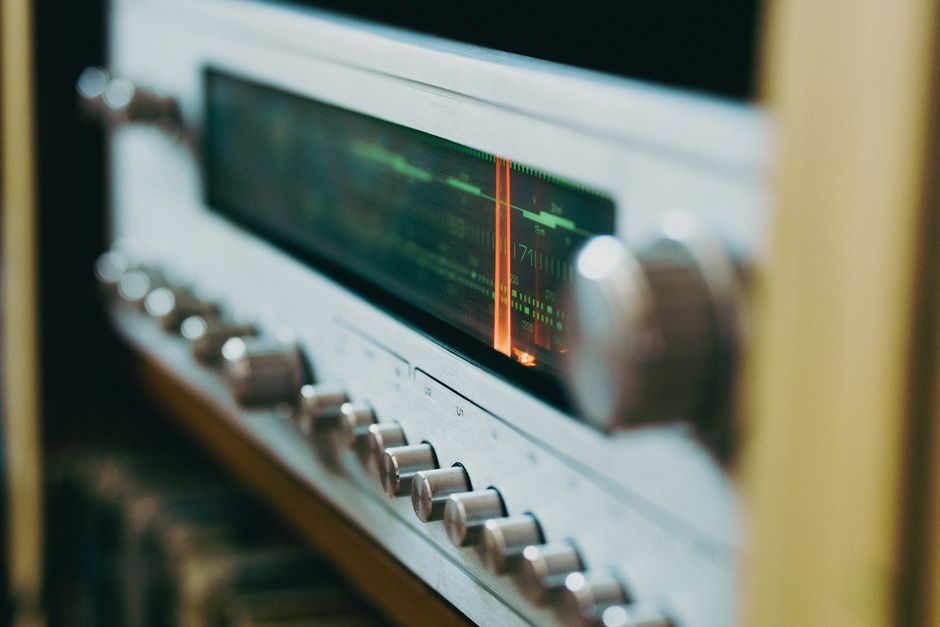
Frequency medicine works by introducing specific electromagnetic frequencies that resonate with the body’s natural bioelectric patterns. These frequencies can help restore optimal cellular voltage, enhance cellular communication, and stimulate the body’s self-repair mechanisms. Unlike static frequency approaches that deliver the same signal repeatedly, advanced frequency medicine platforms recognize that the body adapts to repetitive stimulation, requiring dynamic and varied frequency protocols for sustained benefits.
Modern frequency medicine has expanded beyond simple electromagnetic exposure to incorporate sophisticated technologies including pulsed electromagnetic fields (PEMF), bioresonance scanning, and artificial intelligence-guided protocol selection. These innovations allow for personalized frequency therapy that adapts to individual bioelectric signatures and changing physiological needs.
The Problem of Cellular Adaptation
One of the most significant challenges in frequency therapy is cellular adaptation. When the body receives the same electromagnetic frequency repeatedly, cells gradually become desensitized to that specific signal, much like how muscles adapt to repetitive exercises. This phenomenon, known as accommodation, diminishes the therapeutic effectiveness over time.

Traditional frequency devices often deliver static programs that remain unchanged session after session. While these may provide initial benefits, their effectiveness typically plateaus as the body’s bioelectric system adapts. This limitation has driven innovation toward dynamic frequency platforms that continuously vary their output, preventing adaptation while maintaining therapeutic resonance.
Advanced bioelectric wellness systems address this challenge through extensive frequency libraries containing thousands of dynamic programs. By rotating through varied frequencies and waveforms, these platforms maintain the body’s responsiveness while targeting multiple aspects of wellness simultaneously. The integration of AI-guided protocol selection further enhances this approach, analyzing individual responses and adjusting frequency delivery for optimal engagement.
Comprehensive Wellness Through Frequency Integration
Modern frequency medicine extends beyond simple electromagnetic stimulation to create holistic wellness experiences. The most effective platforms integrate multiple modalities that work synergistically to support bioelectric balance. Voice scanning technology analyzes vocal patterns to identify energetic imbalances, providing real-time biofeedback that guides frequency selection.
Breathwork integration represents another crucial component, as conscious breathing directly influences the autonomic nervous system and bioelectric coherence. When combined with targeted frequencies, breathwork amplifies the body’s receptivity to electromagnetic therapy while promoting parasympathetic activation and stress reduction. This combination creates an ideal physiological state for cellular restoration and energetic rebalancing.
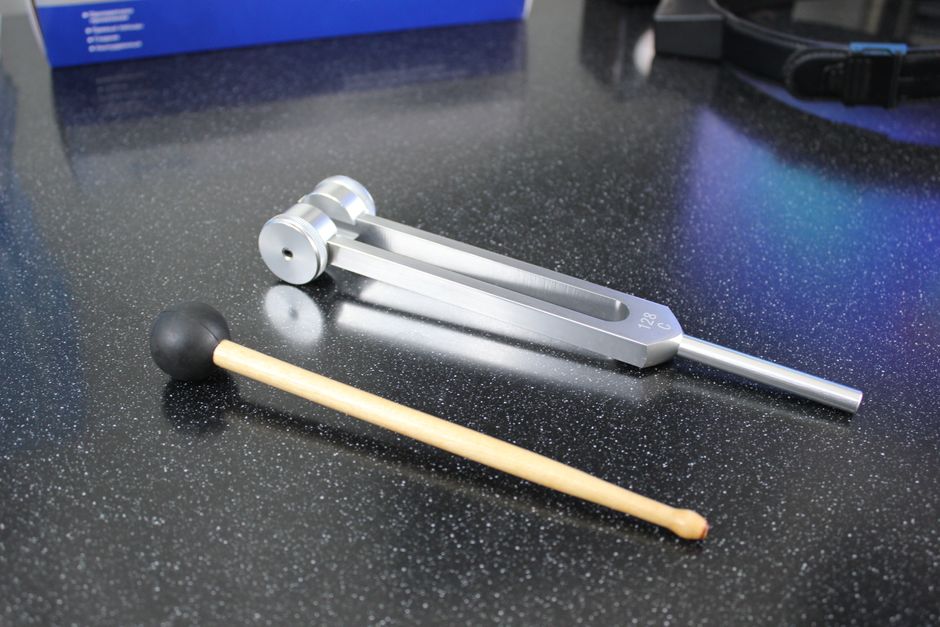
Sacred soundscapes and harmonic frequencies further enhance the therapeutic environment. Sound itself is a frequency-based phenomenon, and specific tones can induce measurable physiological changes including brainwave entrainment, heart rate variability optimization, and neurotransmitter modulation. When layered with bioelectric frequencies, these sonic elements create multidimensional wellness experiences that address physical, mental, and emotional dimensions simultaneously.
Quality sleep forms a cornerstone of any comprehensive wellness approach, and frequency medicine can support healthy sleep patterns by promoting relaxation and circadian rhythm optimization. According to the Sleep Foundation, establishing consistent sleep routines and creating conducive sleep environments are essential for restorative rest, which frequency therapy can complement through relaxation-focused protocols.
Physical Activity and Bioelectric Wellness
Frequency medicine works most effectively when integrated into a balanced lifestyle that includes regular physical activity. Movement naturally generates bioelectric currents through muscle contractions and metabolic processes, creating synergy with frequency therapy. The CDC physical activity guidance recommends adults engage in at least 150 minutes of moderate-intensity aerobic activity weekly, along with muscle-strengthening activities.
Frequency therapy can support exercise recovery by promoting circulation, reducing inflammation, and supporting cellular repair processes. Many wellness practitioners incorporate frequency sessions before workouts to enhance energy and mental focus, or afterward to accelerate recovery and reduce muscle soreness. This integrated approach maximizes both the benefits of physical exercise and electromagnetic therapy.
The NHS exercise guidance emphasizes that physical activity should be enjoyable and sustainable. Similarly, frequency medicine protocols should feel comfortable and accessible, supporting rather than replacing fundamental wellness practices like movement, nutrition, and stress management.
Personalization Through Advanced Technology
The future of frequency medicine lies in personalization. Generic, one-size-fits-all approaches fail to account for individual bioelectric signatures, health histories, and wellness goals. Advanced platforms now utilize artificial intelligence to analyze user data, identify patterns, and recommend customized frequency protocols that evolve with changing needs.
With access to over 16,000 dynamic programs and millions of individual frequencies, modern bioelectric wellness platforms can address an unprecedented range of wellness objectives. Whether supporting immune function, enhancing cognitive performance, promoting emotional balance, or facilitating physical recovery, targeted frequency selection allows for precise, individualized care.
Voice scanning technology adds another layer of personalization by providing objective biofeedback. By analyzing subtle variations in vocal patterns, these systems can detect energetic imbalances that may not yet manifest as physical symptoms. This early detection capability enables proactive wellness support, addressing imbalances before they develop into more significant concerns.
Implementing Frequency Medicine in Daily Life
Integrating frequency medicine into daily routines requires minimal time investment while offering substantial wellness benefits. Most frequency therapy sessions range from 10 to 30 minutes, making them easily accommodated even in busy schedules. Consistency proves more important than duration, with regular daily or weekly sessions typically producing better results than infrequent extended sessions.
Creating an optimal environment enhances frequency therapy effectiveness. A quiet, comfortable space free from electronic interference allows for deeper relaxation and better bioelectric receptivity. Many practitioners incorporate frequency sessions into existing mindfulness practices, meditation routines, or bedtime rituals, creating powerful wellness habits that compound over time.
Tracking progress through subjective wellness markers and objective biofeedback helps optimize frequency protocols. Noting changes in energy levels, sleep quality, stress resilience, and physical comfort provides valuable information for refining frequency selection. Advanced platforms with built-in tracking capabilities simplify this process, automatically adjusting protocols based on user responses and progress patterns.
Conclusion
Frequency medicine represents a paradigm shift in how we approach wellness, recognizing the body as a sophisticated bioelectric system that responds to electromagnetic frequencies. By addressing health at its energetic foundation, frequency therapy complements traditional wellness practices while offering unique benefits unavailable through other modalities. The evolution toward dynamic, personalized frequency platforms that prevent cellular adaptation marks a significant advancement, enabling sustained therapeutic benefits that adapt to individual needs. As we continue integrating ancient wisdom with modern technology, frequency medicine stands poised to play an increasingly central role in holistic wellness approaches. Whether supporting physical recovery, mental clarity, emotional balance, or spiritual development, bioelectric wellness platforms offer accessible, non-invasive tools for optimizing human potential and cultivating vibrant health in the modern age.