

Sound Healing for Cellular Repair in 2026
The human body operates as a sophisticated bioelectric system, with every cell generating and responding to specific frequencies. In 2026, sound healing has emerged as a powerful modality for supporting cellular repair by working with the body’s natural electromagnetic field. This comprehensive approach recognizes that our cells communicate through frequency, and when these frequencies become disrupted, cellular function and health can decline.
Sound healing for cellular repair represents the convergence of ancient wisdom and modern science, offering pathways to restore balance at the most fundamental level of human biology. As we face increasing environmental stressors and electromagnetic pollution, understanding how frequency-based therapies support cellular regeneration has never been more crucial.
The Science Behind Sound and Cellular Function
Every cell in your body vibrates at specific frequencies, creating an intricate electromagnetic symphony. When cells are healthy, they maintain optimal resonance patterns that support DNA repair, mitochondrial function, and cellular communication. However, stress, toxins, electromagnetic interference, and illness can disrupt these natural frequencies, leading to cellular dysfunction.

Research in bioelectromagnetics has demonstrated that cells respond to external frequency inputs. Sound waves create mechanical vibrations that translate into bioelectric signals within cellular structures. These signals can influence ion channels, membrane potentials, and even gene expression. When therapeutic frequencies are applied strategically, they can help restore cells to their optimal resonant state.
The cellular membrane acts as a sophisticated antenna, receiving and transmitting frequency information. Disrupted membrane potential has been linked to numerous health challenges, while restoring proper electrical gradients supports natural healing processes. Sound healing works by providing external frequency support that helps cells overcome adaptation to static or disruptive signals.
Dynamic Frequency Therapy and Cellular Adaptation
One of the most significant breakthroughs in frequency healing is understanding cellular adaptation. When cells are exposed to the same frequency repeatedly, they can become desensitized, much like how your nose stops noticing a constant smell. This adaptation phenomenon explains why static frequency approaches may lose effectiveness over time.

Advanced bioelectric wellness platforms now utilize dynamic frequency delivery systems that continuously vary therapeutic signals. With access to over 16,000 programs and more than 1.8 million frequencies, these systems prevent cellular adaptation by providing diverse, evolving frequency patterns that maintain cellular responsiveness.
The integration of artificial intelligence takes this further by analyzing individual responses and adjusting frequency protocols in real-time. Voice scanning technology can detect subtle bioelectric imbalances by analyzing vocal harmonics, while breathwork synchronization ensures frequencies are delivered when cells are most receptive during specific breathing phases.
Sound Healing Modalities for Cellular Repair
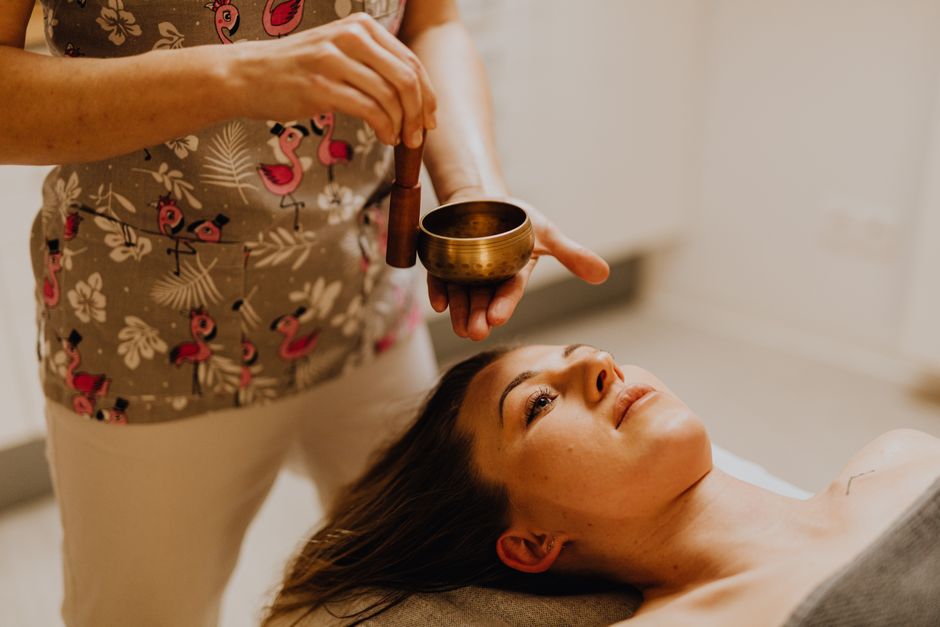
Multiple sound healing approaches can support cellular regeneration, each working through different mechanisms. Sacred soundscapes utilizing specific musical intervals and harmonic ratios create coherent frequency environments that promote cellular entrainment. When cells are exposed to coherent sound patterns, they tend to synchronize with these organizing frequencies, potentially restoring disrupted cellular rhythms.
Binaural beats produce specific brainwave frequencies by presenting slightly different tones to each ear. The brain perceives the mathematical difference between these frequencies, generating neural oscillations that cascade through the entire bioelectric system. This can influence cellular metabolism, inflammation responses, and tissue repair mechanisms.
Pulsed electromagnetic field therapy combines sound principles with direct electromagnetic stimulation. This approach delivers specific frequency patterns directly to tissues, supporting enhanced cellular voltage, improved nutrient uptake, and accelerated waste removal. The pulsed nature of these fields prevents adaptation while providing consistent cellular support.
Resonant frequency therapy targets specific tissues or conditions using precisely calibrated frequencies. Just as opera singers can shatter glass by matching its resonant frequency, therapeutic frequencies can selectively influence targeted cell populations without affecting surrounding tissues. This precision makes frequency therapy particularly valuable for localized cellular repair needs.
Complementary Lifestyle Practices
Sound healing works most effectively when integrated with supportive lifestyle practices. Regular physical activity enhances cellular responsiveness to frequency therapy by improving circulation and oxygenation. According to CDC guidelines, adults should aim for at least 150 minutes of moderate-intensity activity weekly to support optimal cellular function.
Quality sleep provides the foundation for cellular repair, as most regenerative processes occur during deep sleep stages. Research indicates that consistent sleep schedules and proper sleep hygiene significantly impact cellular restoration. Combining sound healing with sleep optimization can amplify repair processes during this critical recovery window.
Mindful breathing practices enhance the effectiveness of frequency therapy by improving cellular oxygenation and creating coherent bioelectric states. When breathing becomes rhythmic and intentional, it generates more organized electromagnetic patterns that make cells more receptive to therapeutic frequencies. This synergy between breath and sound creates powerful conditions for cellular healing.
Personalized Frequency Protocols
The future of sound healing for cellular repair lies in personalization. Generic frequency approaches fail to account for individual bioelectric signatures, unique cellular needs, and specific health goals. Advanced platforms now offer AI-guided protocol development that considers multiple factors including current bioelectric state, adaptation patterns, and personal wellness objectives.
Voice analysis provides remarkable insights into bioelectric balance. Your voice contains frequency information reflecting your current cellular state. By analyzing vocal harmonics, advanced systems can identify frequency deficits and excesses, then generate customized sound healing protocols targeting specific imbalances. This personalized approach ensures frequencies match your unique cellular needs rather than applying one-size-fits-all solutions.
Adaptive protocols evolve with your progress, preventing the plateau effect common with static frequency programs. As your cells respond and bioelectric patterns shift, intelligent systems adjust frequency selections to maintain therapeutic momentum. This dynamic approach honors the constantly changing nature of biological systems.
Practical Implementation for Cellular Health
Implementing sound healing for cellular repair requires consistency and proper application. Most practitioners recommend daily sessions ranging from 8 to 30 minutes, depending on specific protocols and individual needs. Morning sessions can help establish coherent bioelectric patterns for the day, while evening applications support cellular repair during sleep.
Creating an optimal environment enhances frequency therapy effectiveness. Minimize electromagnetic interference from devices, ensure comfortable positioning, and maintain hydration to support cellular responsiveness. Many users report enhanced results when combining sound healing with grounding practices that help discharge accumulated static electricity.
Tracking progress provides valuable feedback and motivation. While some benefits of frequency therapy may be immediately noticeable—such as improved relaxation or sleep quality—cellular repair occurs gradually. Keeping records of energy levels, recovery times, and overall vitality helps document the cumulative effects of consistent sound healing practice.
Integration with other healing modalities often produces synergistic results. Sound healing complements nutritional support, movement practices, and stress management techniques. For guidance on comprehensive wellness approaches, the NHS provides evidence-based recommendations that can support your frequency healing journey.
Conclusion: The Future of Cellular Regeneration
Sound healing for cellular repair represents a paradigm shift in how we approach health and wellness at the most fundamental level. By working with the body’s natural bioelectric language rather than against it, frequency-based therapies offer elegant solutions that support innate healing capacities. The integration of artificial intelligence, voice analysis, and dynamic frequency delivery systems has transformed sound healing from an ancient art into a precision wellness technology.
As we move deeper into 2026, the evidence supporting frequency-based cellular repair continues to grow. The key lies not in finding a single “magic frequency” but in embracing the dynamic, personalized, and adaptive approaches that prevent cellular adaptation while supporting continuous regeneration. Whether you’re seeking to optimize wellness, support recovery, or enhance vitality, sound healing offers accessible and non-invasive pathways to cellular health that work in harmony with your body’s electromagnetic nature.
The future of cellular repair is frequency-based, personalized, and powered by the same electromagnetic principles that govern all biological life. By embracing these advanced yet fundamentally natural approaches, we can support our cells in maintaining the resonance patterns that define optimal health and vibrant living.