
Breathwork for Stress Relief: a Complete Guide
Stress is not just a feeling. It is a full-body physiological event — a cascade of hormones, a tightening of the nervous system, and a measurable shift in how your cells communicate. In 2026, more people than ever are searching for tools that work with the body’s own intelligence rather than against it. Breathwork sits at the center of that search, and for good reason: it is free, immediate, and backed by a growing body of research showing real effects on the stress response.
This guide covers what breathwork actually does, the main techniques worth learning, how to build a practice, how to combine breath with frequency-based wellness tools, and when to seek professional support. Whether you are brand new to conscious breathing or looking to deepen an existing practice, there is something here for you.
What Breathwork Actually Does to Stress
Breath is the only autonomic function you can consciously control. That makes it a kind of back door into the nervous system. When you slow your exhale, lengthen your breathing rhythm, or shift from chest to belly breathing, you send signals through the vagus nerve that tell your body it is safe to stand down.

The physiological mechanics are well documented. Slow breathing at roughly five to six breaths per minute increases heart rate variability (HRV), a key marker of stress resilience and autonomic flexibility. It also lowers sympathetic (“fight or flight”) activity while raising parasympathetic (“rest and digest”) tone. Over time, consistent practice can reduce baseline cortisol, improve sleep quality, and blunt the intensity of the stress response when it does fire. For a deeper look at how these signals affect the body at a cellular level, this guide to improving cellular health is a useful companion.
What makes breathwork unusual among stress tools is its speed. Unlike exercise, meditation, or dietary changes, a single five-minute breathing session can shift how you feel almost immediately. That immediate feedback loop is why so many people stick with it — you feel the result before you have to believe in it.
Core Breathwork Techniques for Stress Relief
There is no single “best” technique. Different patterns serve different purposes, and the most effective practice is usually the one you will actually do. Here are the foundational methods, grouped by what they are best at.

Downregulating Techniques (Calming)
- Box breathing (4-4-4-4): Inhale for four counts, hold for four, exhale for four, hold for four. Used by athletes, first responders, and military personnel to regain composure under pressure. Simple, portable, and effective.
- Extended exhale (4-7-8 or 4-6): Inhale for four, exhale for six to eight. The long exhale is the active ingredient — it directly stimulates the parasympathetic branch. Ideal before sleep or during acute anxiety.
- Coherent breathing (5.5 breaths per minute): Inhale for about five and a half seconds, exhale for the same. This rate is often cited as the point of maximum HRV resonance.
- Physiological sigh: Two inhales through the nose, one long exhale through the mouth. A fast-acting reset for moments of sudden stress.
Upregulating Techniques (Energizing)
- Bellows breath (Bhastrika): Rapid, forceful, equal inhales and exhales through the nose. Energizing but intense — best practiced briefly and not before sleep.
- Wim Hof-style rounds: Controlled hyperventilation followed by breath retention and recovery. Powerful but should be learned from a qualified instructor.
Balancing Techniques
- Alternate nostril breathing (Nadi Shodhana): Inhale through one nostril, exhale through the other, alternating. Traditionally used to balance the nervous system and sharpen focus.
- Diaphragmatic (belly) breathing: The baseline skill. If you only learn one thing, learn this.
A good rule of thumb: use downregulating techniques when you feel activated, upregulating techniques when you feel flat, and balancing techniques as daily maintenance.
How to Build a Sustainable Breathwork Practice
Consistency beats intensity. A five-minute daily practice will outperform a one-hour session once a month, every time. Here is a simple framework for building the habit.
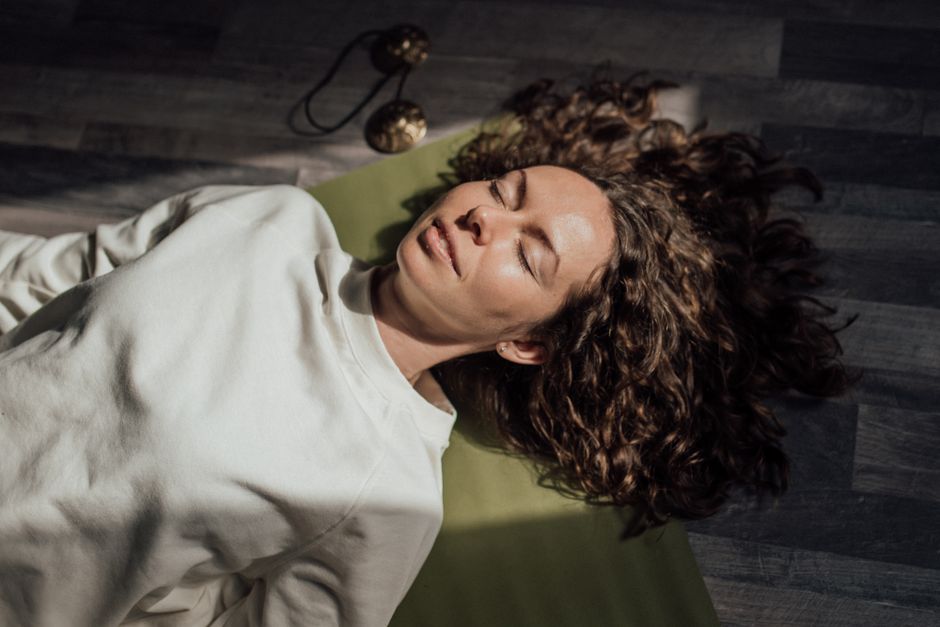
- Anchor it to an existing routine. Pair breathwork with something you already do — morning coffee, the commute, or lying down at night. The anchor does the remembering for you.
- Start with five minutes. Pick one technique. Do it daily for two weeks before adding anything else. Mastery of one pattern is worth more than superficial familiarity with ten.
- Track how you feel, not just how long. Note your stress level before and after on a simple 1–10 scale. This builds evidence in your own mind that the practice works.
- Layer in movement. Breathwork pairs beautifully with physical activity. The CDC physical activity guidelines and NHS exercise guidance both emphasize regular movement as a cornerstone of stress management, and combining movement with conscious breathing amplifies both.
- Protect your sleep. Chronic stress and poor sleep form a feedback loop. Breathwork before bed is one of the most reliable ways to interrupt it, and the Sleep Foundation has extensive resources on the sleep-stress connection.
If you miss a day, do not treat it as failure. Just return the next day. The practice is the point, not the streak.
Breathwork Meets Bioelectric and Frequency Wellness
One of the more interesting developments in holistic wellness is the convergence of breathwork with bioelectric and frequency-based modalities. The premise is straightforward: the body is an electrical system, and stress disrupts its coherent signaling. Breathwork shifts the nervous system’s electrical tone, an idea explored in more depth in this guide to natural electrical body balance. Frequency-based tools aim to support cellular resonance. Together, they may address stress from two complementary angles.
This is where platforms like PeMF Healing LLC, Frequency Healing come in. Their bioelectric wellness platform offers over 16,000 dynamic BioPhi programs and more than 1.8 million frequencies, delivered through AI guidance, voice scanning, breathwork support, and sacred soundscapes. The design goal is to support the body’s natural electrical balance while overcoming a common limitation of frequency tools: cellular adaptation to static frequencies. Because the body habituates to unchanging inputs, dynamic, adaptive programs are intended to keep the signal meaningful over time.
For individuals exploring bioelectric healing, frequency therapy, and resonance-based personal development, the pairing is intuitive. You breathe to regulate the nervous system. You use frequency and sound to support the broader electrical environment in which that nervous system operates. Neither replaces the other, and neither replaces conventional medical care — but as part of a holistic routine, they can complement each other well.
A practical way to combine them: begin a session with two to three minutes of coherent breathing to settle the nervous system, then move into a guided frequency or soundscape session while maintaining slow, relaxed breathing. The breathwork primes the system; a curated healing soundscape sustains the state.
Common Mistakes and Safety Considerations
Breathwork is generally safe for healthy adults, but it is not risk-free, and some popular techniques carry real contraindications.
- Forcing the breath. Strain creates stress rather than relieving it. If you feel lightheaded, dizzy, or panicky, stop and return to normal breathing.
- Skipping the basics. Many people jump to advanced techniques like breath retention before mastering diaphragmatic breathing. Build the foundation first.
- Practicing intense techniques at the wrong time. Bellows breath and hyperventilation-style rounds are activating. Avoid them within several hours of sleep.
- Ignoring contraindications. If you are pregnant, have cardiovascular conditions, epilepsy, glaucoma, a history of panic disorder, or recent surgery, consult a healthcare provider before beginning intense breathwork practices.
- Treating breathwork as a substitute for care. Breathwork is a complementary tool. It does not replace medical or psychological treatment for clinical conditions.
If you have a trauma history, consider working with a qualified practitioner trained in trauma-informed breathwork. Intense breathing can surface strong emotional material, and having support makes the process safer and more productive.
Frequently Asked Questions
How long does it take for breathwork to reduce stress?
Acute effects can appear within one to two minutes for downregulating techniques. Cumulative benefits — improved HRV, lower baseline stress reactivity, better sleep — typically emerge over two to eight weeks of consistent practice.
Is breathwork better than meditation for stress?
They work differently. Breathwork offers faster immediate relief; meditation builds longer-term attentional and emotional regulation. Many people benefit from both. There is no need to choose.
Can breathwork replace therapy or medication?
No. Breathwork is a complementary practice. It can reduce stress symptoms and improve quality of life, but it is not a treatment for clinical anxiety, depression, or other medical conditions. Always follow the guidance of your healthcare provider.
What is the best time of day to practice?
Morning practice sets the tone for the day. Evening practice supports sleep. The best time is the one you will consistently keep. Many practitioners do a short session in both windows.
Conclusion
Breathwork for stress relief works because it uses a system you already have — your breath — to influence a system you cannot directly control: your nervous system. It is immediate, free, and adaptable to almost any situation. Master a few core techniques, practice them consistently, and you build a resilience tool that travels with you everywhere.
For those who want to go further, combining breathwork with bioelectric and frequency-based approaches opens a broader path. Platforms like PeMF Healing LLC, Frequency Healing — with their dynamic BioPhi programs, AI guidance, voice scanning, and sacred soundscapes — are designed to support that journey, helping the body move toward personalized healing frequencies while overcoming cellular adaptation to static frequencies. As with any wellness practice, the goal is not perfection. It is consistency, curiosity, and care for the whole system.
Start with five minutes today. Your nervous system will notice.