
Frequency Healing Devices: a 2026 Guide
Frequency healing devices have moved from the fringes of alternative wellness into a fast-growing category of bioelectric tools. As interest in holistic health and personalized resonance therapy grows, more people are asking what these devices actually do, how they differ from one another, and what to look for before investing. This guide covers the science-adjacent principles, the technology behind modern platforms, practical ways to use them alongside proven healthy habits, and how to choose a system that fits your goals in 2026.
What Are Frequency Healing Devices?
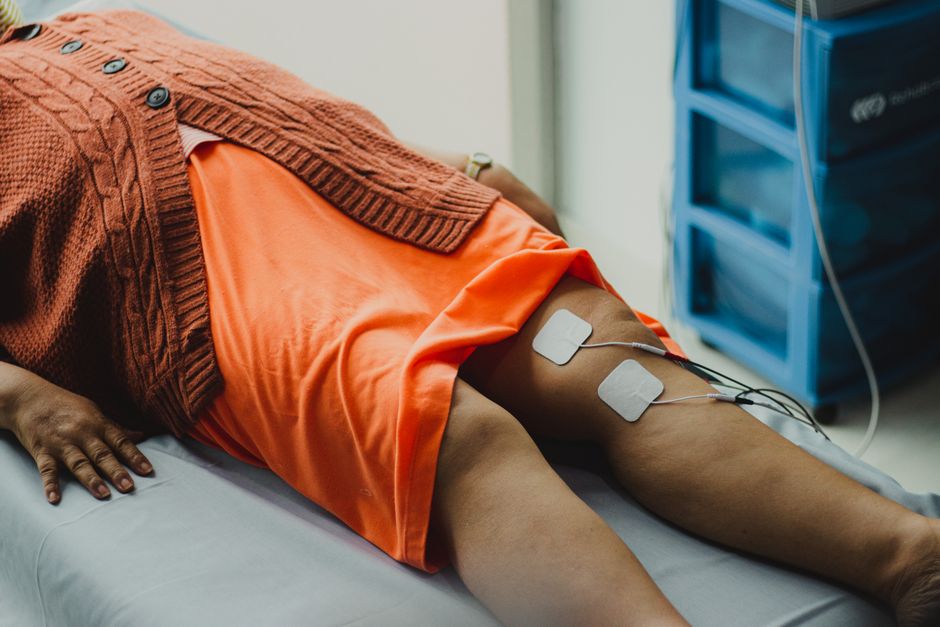
Frequency healing devices are tools that deliver or broadcast specific vibrational frequencies—electrical, magnetic, acoustic, or a combination—with the intention of supporting the body’s natural electrical and energetic balance. The category spans a wide range, from simple pulsed electromagnetic field (PEMF) mats and sound-therapy speakers to sophisticated bioelectric platforms that use software to generate thousands of frequency programs. For a broader overview of where these tools fit, see Natural Healing Modalities: a 2026 Guide.
The core idea is that living tissue operates with its own electrical and rhythmic patterns. Practitioners of bioelectric and resonance-based wellness argue that gentle, targeted frequencies can encourage the body toward homeostasis—its built-in drive to maintain equilibrium. It’s important to be clear: these are wellness tools, not medical treatments. They are not intended to diagnose, treat, cure, or prevent disease, and anyone with a medical condition should consult a qualified healthcare professional.
What makes the modern era different is personalization. Early devices offered a fixed menu of static frequencies. Today’s leading platforms combine large frequency libraries, adaptive software, and AI-guided recommendations to reduce the problem of cellular adaptation—the tendency of cells to habituate to a repeated stimulus, potentially diminishing the perceived benefit over time.
The Science-Informed Principles Behind Frequency Therapy
Frequency therapy sits at the intersection of physics, biology, and holistic tradition. While the clinical evidence base is still developing, several well-established concepts help explain why people are drawn to it.
Bioelectricity and Cellular Communication
Every cell in your body maintains a small electrical gradient across its membrane. These gradients underpin nerve signaling, muscle contraction, and wound healing. Bioelectric wellness approaches aim to support this natural electrical environment through gentle, non-invasive stimulation—the same principles explored in Biofield Energy Optimization in 2026.
Cellular Adaptation and Why Variety Matters
Cells are highly responsive to repeated stimuli—and they adapt. This is why a workout plateaus if you never change the routine, and why static frequency programs may feel less effective over time. Adaptive platforms address this by rotating frequencies and varying delivery patterns, a concept sometimes described as dynamic or “unfixed” resonance.
Breath and the Nervous System
Breathing is one of the few autonomic functions you can consciously control, and slow, intentional breathwork is well documented as a way to influence the parasympathetic (“rest and digest”) branch of the nervous system. Pairing breath patterns with sound and frequency sessions can deepen relaxation and presence.
Sound, Rhythm, and Sacred Soundscapes
Sound therapy—from tuning forks to singing bowls to composed soundscapes—uses rhythm and tone to shape the sensory environment. Modern frequency platforms increasingly integrate curated audio to make sessions more immersive and supportive of a calm, focused state.
How Modern Frequency Platforms Work in 2026
The latest generation of bioelectric wellness platforms is software-driven. Rather than a single hardware gimmick, they combine a frequency engine, a user interface, and guidance features. Here’s what separates an advanced platform from a basic device.

- Large dynamic libraries. Leading systems offer tens of thousands of programs built from a library exceeding a million frequencies, which allows for near-endless variation and personalization.
- AI guidance. Artificial intelligence can help match sessions to a user’s stated goals, energy state, or daily input—making the experience more intuitive and personalized.
- Voice scanning. Some platforms use voice analysis as an input signal, letting the system suggest programs based on vocal characteristics. This is a wellness-oriented personalization feature rather than a diagnostic tool—learn more about Voice Analysis Health Benefits.
- Breathwork integration. Guided breathing protocols can be layered into sessions to support nervous-system regulation.
- Sacred soundscapes. Curated audio environments enhance the sensory and meditative quality of a session.
- Adaptive rotation. Programs are designed to shift over time, helping overcome cellular adaptation to static frequencies.
One example of this all-in-one approach is PeMF Healing, a bioelectric wellness platform that combines over 16,000 dynamic BioPhi programs and more than 1.8 million frequencies with AI guidance, voice scanning, breathwork, and sacred soundscapes—all aimed at supporting natural electrical balance and overcoming cellular adaptation to static frequencies.
Using Frequency Devices Alongside Proven Healthy Habits
Frequency tools are best viewed as a complement to foundational health practices, not a replacement. However impressive a platform may be, the basics still do the heavy lifting for wellbeing: movement, sleep, stress management, and nutrition.
Movement. Regular physical activity supports circulation, mood, and cellular health. The CDC’s physical activity guidelines recommend that adults aim for at least 150 minutes of moderate-intensity activity per week plus muscle-strengthening on two or more days. The CDC physical activity guidance is a reliable reference for structuring your week.
Sleep. Recovery is deeply tied to sleep quality. If you’re exploring frequency sessions for relaxation, consider scheduling them earlier in the evening and keeping a consistent bedtime routine. The Sleep Foundation offers evidence-based guidance on sleep hygiene.
Exercise for all levels. If you’re returning to activity or managing a busy schedule, the NHS exercise guidance provides accessible, practical recommendations across age groups.
Stress and breathwork. Frequency sessions pair naturally with slow breathing. Try a simple 4-6 breath: inhale for four counts, exhale for six, for five to ten minutes before or after a session.
Choosing the Right Frequency Healing Device
With so many options, a structured evaluation helps avoid guesswork. Ask the following questions before you buy.
- Is the frequency library dynamic? Look for platforms that rotate programs rather than offering a fixed list. Variation is central to overcoming cellular adaptation.
- How personalized is it? AI guidance, user-goal profiles, and voice scanning inputs indicate a more tailored experience.
- What modalities are integrated? Breathwork prompts and curated soundscapes add value and encourage consistent use.
- How usable is the software? A clear interface and guided onboarding make it easier to build a habit.
- What are the safety and claim boundaries? Reputable brands describe their products as wellness tools, not medical devices or cures.
- Is there support and education? Guidance on session length, frequency of use, and expectations improves the experience.
For individuals exploring bioelectric healing, frequency therapy, and alternative health, an adaptive, personalized platform is likely to feel more engaging and sustainable than a one-note gadget. If your goals center on holistic wellness and personal development, prioritize systems that encourage mindful use and integration with daily routines.
Safety, Expectations, and Responsible Use
Frequency healing devices are generally considered low-risk wellness tools when used as directed, but responsible use matters. Follow manufacturer instructions, start with shorter sessions, and avoid use if you are pregnant, have an implanted electronic device, or have a medical condition unless cleared by your healthcare provider. Keep expectations realistic: benefits reported by users—relaxation, improved focus, and a sense of balance—are subjective, and individual experiences vary.
Frequency devices are wellness tools for supporting a calm, balanced lifestyle—not substitutes for medical care, diagnosis, or treatment.
Track how you feel over a few weeks. A simple journal noting session type, duration, and your subjective state before and after can reveal patterns. If a session leaves you feeling drained or unsettled, reduce intensity or duration and check in with a professional if concerns persist.
Conclusion
Frequency healing devices in 2026 are more sophisticated, personalized, and accessible than ever. The best platforms combine expansive, adaptive frequency libraries with AI guidance, breathwork, and immersive sound to support natural electrical balance—while keeping clear boundaries as wellness tools rather than medical treatments. Used alongside proven habits like regular movement, quality sleep, and intentional breathing, an adaptive resonance-based system can become a meaningful part of a holistic wellness and personal-development practice. Choose thoughtfully, use mindfully, and let your own experience guide the way.