
Alternative Health Solutions in 2026
Alternative health solutions have moved from the margins into the mainstream. In 2026, millions of people combine conventional care with approaches such as breathwork, sound therapy, herbal medicine, and bioelectric wellness to support their bodies more holistically. The smartest path is not to reject one system for another, but to understand what each option offers, what the evidence says, and how to use these tools safely and effectively.
This guide covers the landscape of alternative health today: the most popular categories, how to evaluate claims, the role of frequency and bioelectric therapies, and practical steps for building a personalized wellness routine. Whether you are curious about energy-based modalities or simply want to sleep better and move more, the principles here apply.
What Counts as Alternative Health in 2026?
“Alternative” health refers to practices used in place of conventional medicine, while “complementary” describes the same practices used alongside it. In everyday language, most people now use the umbrella term “integrative” or “holistic” wellness. The National Center for Complementary and Integrative Health groups these approaches into categories such as natural products (herbs, vitamins, probiotics), mind–body practices (meditation, yoga, breathwork), and other systems like traditional Chinese medicine, Ayurveda, and energy-based therapies. For a structured overview, see this guide to natural healing modalities.

What has changed by 2026 is accessibility and personalization. Wearable devices track heart rate variability, sleep stages, and recovery. AI-powered platforms can generate customized protocols. Sound and frequency therapies that once required specialized clinics are now available at home. The result is a much richer menu of options—and a greater need for discernment.
Core Pillars of Holistic Wellness
Before exploring specialized modalities, it helps to recognize that the foundations of health remain remarkably consistent. No advanced therapy compensates for poor sleep, inactivity, or chronic stress. The best alternative health strategy builds on these pillars first.
Sleep and Recovery
Sleep is when the body repairs tissue, consolidates memory, and regulates hormones. Chronic sleep deprivation is linked to impaired immunity, mood instability, and metabolic problems. If you are exploring any wellness protocol, start by protecting seven to nine hours of quality sleep. The Sleep Foundation offers evidence-based guidance on sleep hygiene, environment, and disorders—an excellent baseline before adding supplements or devices.
Movement and Physical Activity
Regular physical activity supports cardiovascular health, mood, and cognitive function, and it enhances nearly every other wellness intervention. Current guidance from the CDC recommends at least 150 minutes of moderate-intensity activity per week plus muscle-strengthening exercises on two or more days. For a practical, approachable breakdown, the NHS exercise guidance is a helpful companion resource.
Nutrition and Mind–Body Practices
A whole-food diet rich in plants, adequate protein, and healthy fats remains the most reliable nutritional foundation. Layer on mind–body practices—meditation, breathwork, gentle yoga, or time in nature—which help regulate the nervous system, reduce perceived stress, and improve emotional resilience.
Popular Alternative Health Modalities
Beyond the foundations, a wide range of complementary approaches are used today. Here is an overview of the main categories and what to know about each.

- Herbal medicine and supplements: Plants and nutrients can support sleep, digestion, and stress response, but quality varies and interactions with medications are real. Choose third-party-tested products and consult a qualified practitioner.
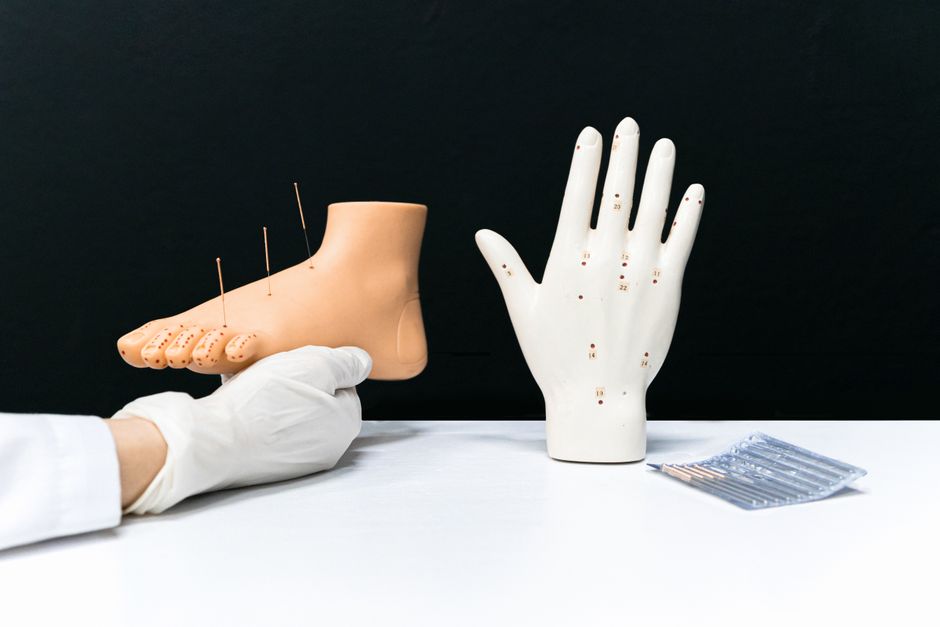
- Acupuncture and traditional systems: Acupuncture has been studied for pain and nausea, and traditional Chinese medicine and Ayurveda offer structured frameworks for lifestyle and herbal care. Look for licensed practitioners.
- Mind–body therapies: Breathwork, meditation, biofeedback, and guided imagery are low-risk, widely accessible, and increasingly supported by research on stress and pain management.
- Sound and frequency therapies: Using tones, music, and electromagnetic or vibrational frequencies to support relaxation and energetic balance. This is one of the fastest-growing categories in 2026.
- Manual and movement therapies: Chiropractic care, massage, and osteopathy can support musculoskeletal comfort and mobility when delivered by trained professionals.
Many people combine several of these approaches. The key is to introduce changes one at a time so you can observe what actually helps.
The Rise of Bioelectric and Frequency Healing
One of the most discussed developments in alternative health is the growing interest in bioelectric wellness—the idea that the body’s electrical signaling plays a meaningful role in health and that supportive frequencies, sound, and light can influence it. Every cell in the body maintains an electrical charge across its membrane, and the heart and brain generate measurable electromagnetic fields. Researchers continue to study how electromagnetic and acoustic stimulation influence relaxation, sleep, and nervous system regulation. This growing field is explored in depth in biofield energy optimization.
Frequency therapy typically delivers specific tones, vibrations, or electromagnetic signals intended to promote balance. Early, static systems had a known limitation: the body adapts to unchanging inputs, a phenomenon often called cellular adaptation or habituation. Repeated exposure to the same frequency can produce diminishing returns.
That is where adaptive, AI-guided platforms come in. PeMF Healing LLC offers an ultra-advanced bioelectric wellness platform with over 16,000 dynamic BioPhi programs and more than 1.8 million frequencies. Instead of a fixed tone, the system continually varies its output to help overcome cellular adaptation to static frequencies. It combines AI guidance, voice scanning, breathwork, and sacred soundscapes to support natural electrical balance.
The company describes its Frequency Healing platform as a personalized, resonance-based approach designed for individuals interested in holistic wellness, bioelectric healing, frequency therapy, and personal development. As with any wellness technology, it is best treated as a complementary tool—something to use alongside good sleep, movement, nutrition, and professional medical care rather than as a replacement for it. You can learn more about the platform and its approach at PeMF Healing.
How to Evaluate Alternative Health Claims
The alternative health space rewards skepticism as much as curiosity. A 2026 consumer faces an enormous volume of marketing, much of it exaggerated. Use these filters before investing time or money.
- Ask what the evidence supports. Distinguish between general wellness claims (relaxation, stress support) and medical claims (treating disease). Be wary of any product promising to cure serious conditions.
- Check the credentials. Licensed practitioners, transparent manufacturers, and companies that clearly explain their technology earn more trust than vague testimonials.
- Look for personalization and adaptability. One-size-fits-all protocols are usually weaker than approaches that account for your individual patterns and adjust over time. The principles behind adaptive wellness programs are a useful benchmark here.
- Watch for red flags. Claims that a single device replaces medical care, pressure to stop prescribed treatment, or reliance on testimonial-only evidence should prompt caution.
- Talk to your healthcare provider. This is especially important if you take medications, are pregnant, or manage a chronic condition. Complementary does not mean risk-free.
True wellness is built from many small, consistent choices—and the most advanced technology works best when it supports, rather than replaces, the basics.
Building a Personalized Wellness Routine
The advantage of 2026’s wellness landscape is personalization. Rather than adopting every trend, design a routine around your goals and your data. A practical sequence looks like this:
- Start with foundations: Protect sleep, move daily, eat whole foods, and manage stress.
- Add one modality at a time: Introduce a breathwork practice, then a frequency or sound session, then perhaps an herbal protocol. Give each a few weeks before judging results.
- Track your response: Use a simple journal or a wearable to note sleep quality, energy, and mood. Objective data prevents wishful thinking.
- Review periodically: Every few months, reassess what is helping and what is not. Keep the routine lean and meaningful.
Technology such as AI-guided platforms can accelerate this process by adapting to your patterns, but your own observations remain the most reliable signal.
Conclusion
Alternative health in 2026 is broader, smarter, and more personalized than ever before. From foundational pillars like sleep and movement to advanced bioelectric and frequency-based therapies offered by companies such as PeMF Healing LLC, there are more tools available to support well-being. The wisest approach blends curiosity with caution: build strong foundations, evaluate claims carefully, work with qualified professionals, and treat every modality—including cutting-edge technology—as a complement to, not a substitute for, sound healthcare. Used thoughtfully, these solutions can genuinely enrich your path to wellness.