
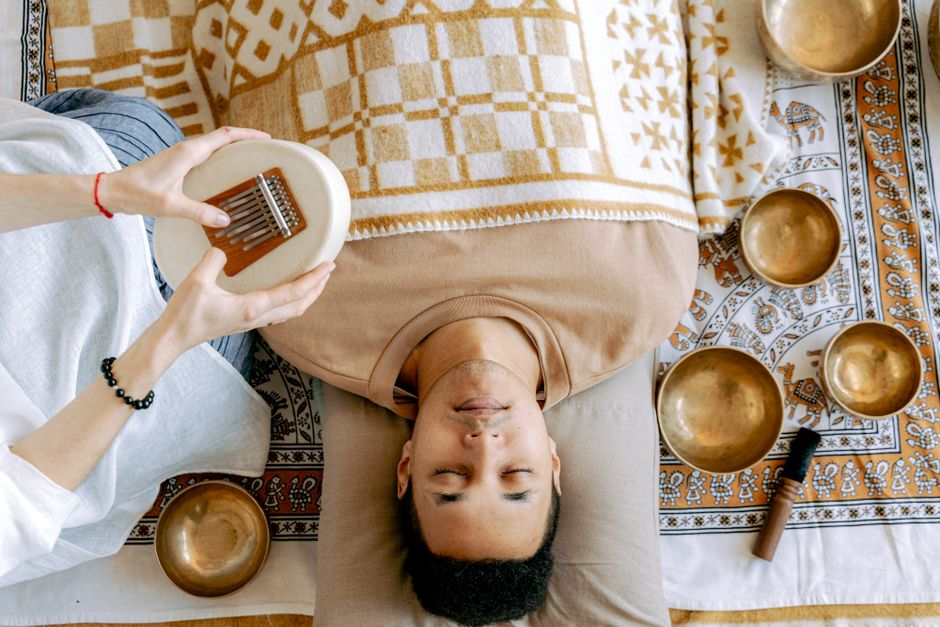
Sound Bath for Nervous System Regulation
A sound bath is a meditative practice in which you rest while a facilitator plays instruments — singing bowls, gongs, chimes, drums, or voice — creating layered tones and vibrations that wash through the room. In 2026, as interest in holistic nervous system care keeps growing, sound baths have moved from niche wellness retreats into mainstream stress-management routines. But what actually happens in the body during a sound bath, and how can you use one to support genuine nervous system regulation?
This guide covers the science, the experience, practical preparation, and how modern bioelectric and frequency-based tools can complement — not replace — a sound bath practice. Whether you’re a first-timer or a seasoned meditator, you’ll find a full picture of what sound baths can and cannot do.
What Is a Sound Bath?
A sound bath is not a performance you watch — it is an experience you receive. Participants typically lie down, close their eyes, and listen as a facilitator creates a continuous soundscape for anywhere from 20 to 90 minutes. Common instruments include:
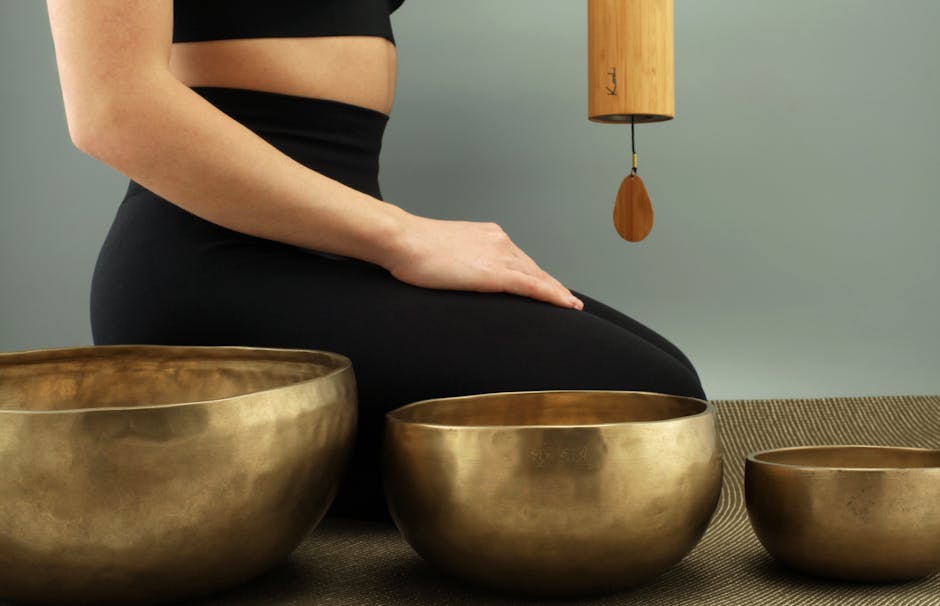
- Himalayan and crystal singing bowls — sustained tones rich in overtones
- Gongs — deep, complex waves of sound
- Chimes, bells, and tuning forks — bright, high-frequency accents
- Frame drums and rattles — rhythmic grounding elements
- Voice and chanting — humming and overtone singing
- Nature soundscapes — recorded water, wind, and forest ambience
The intent is not melody but atmosphere: a continuous field of sound that invites attention to soften and the body to settle.
How Sound and Vibration Affect the Nervous System
The nervous system constantly balances between arousal (sympathetic “fight or flight”) and rest (parasympathetic “rest and digest”). Chronic stress, poor sleep, and overstimulation can keep the fight-or-flight branch dominant. Sound baths are thought to support regulation through several pathways.
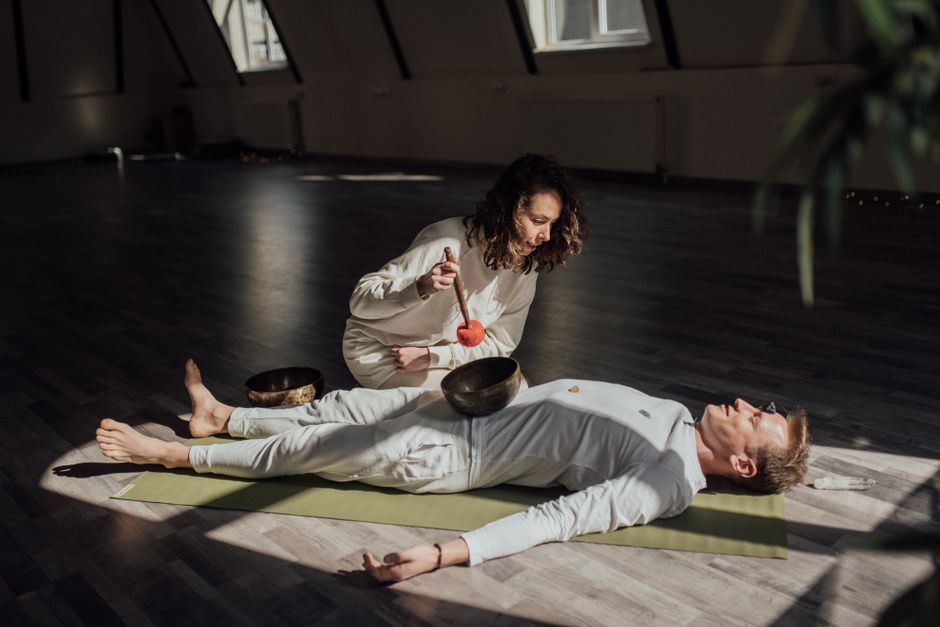
Auditory attention as a calming anchor
Directing attention to sounds is a form of focused awareness similar to mindfulness meditation. When the mind is gently anchored to a changing soundscape, rumination tends to quiet, and the body can shift toward a calmer state. Many people notice slower breathing and softer muscle tension within the first few minutes.
Breath and vagal tone
Slow, deep breathing stimulates the vagus nerve, a key player in the parasympathetic response. Sound baths often encourage longer exhalations, and the gentle pace of the sound naturally slows the breath. Separate research on slow breathing consistently links it with greater heart rate variability — a common marker of a well-regulated nervous system.
Vibration and the body’s electrical signals
The body is electrochemical: nerve impulses, heart rhythms, and brain waves are all forms of electrical activity. Practitioners of sound and frequency therapy posit that coherent vibration can help support the body’s natural electrical balance. This idea is the bridge between traditional sound baths and modern bioelectric wellness technology — more on that below.
Sound baths don’t “force” relaxation. They create conditions — sensory, rhythmic, and respiratory — in which the nervous system finds its own way back toward balance.
Sleep, rest, and recovery
Because rest and sleep are foundational to nervous system health, practices that help you downshift may also improve overall recovery. For complementary guidance on restorative routines and sleep hygiene, see the Sleep Foundation. Physical movement also plays a role in regulation, and the CDC physical activity guidelines and NHS exercise guidance are useful references for building a stabilizing movement habit alongside your sound practice.
What to Expect During a Sound Bath
A typical session follows a gentle arc:
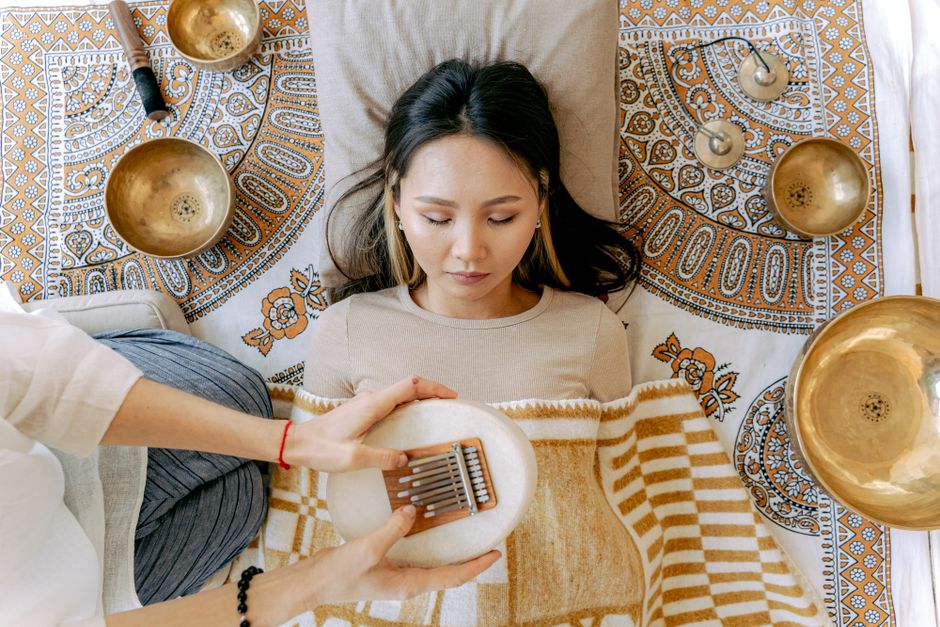
- Arrival and settling. You lie down or sit comfortably, often with a blanket and eye mask. The facilitator may offer a brief grounding exercise.
- The soundscape. Instruments enter gradually. You may notice tingling, warmth, drifting thoughts, or emotional release. Some people see colors or vivid imagery.
- The deepening. Over time, sounds may feel less separate from you and more like an environment. This is often the most restful phase.
- The return. The facilitator gently brings the sound back to silence, allowing a few quiet minutes before participants slowly sit up.
Responses vary widely. Some people leave deeply relaxed; others feel energized, tearful, or mentally clear. None of these responses is “right” — the nervous system responds in its own way.
The Science: What We Know and What We Don’t
Sound and music-based relaxation research is growing, but it remains an early-stage field. Studies using singing bowls, gongs, and music therapy have reported short-term improvements in self-reported calm, mood, and relaxation markers. However, studies are often small, and methodologies vary, so claims should be read with nuance.
It’s also important to be clear about boundaries: sound baths are a wellness practice, not a medical treatment. They are not a substitute for care from a qualified professional for anxiety, trauma, sleep disorders, or other health conditions. If you have tinnitus, sound sensitivity, epilepsy, or are pregnant, consult a healthcare provider before attending, and always tell the facilitator about relevant conditions.
Preparing for a Sound Bath
A little preparation helps you get more from the experience:
- Choose the right session. Beginner-friendly sessions tend to use softer instruments; gong-heavy sessions can be more intense.
- Arrive without a rush. Allow a buffer so you aren’t arriving in a stressed state.
- Bring layers and water. Body temperature often drops during deep rest.
- Set an intention, then let it go. A simple word like “calm” or “release” can orient the mind without creating pressure.
- Skip stimulants beforehand. Caffeine close to session time can make it harder to settle.
At home, a shorter version is possible: lie down, use a singing bowl, a gong recording, or a drone app, and pair it with slow breathing — a longer exhale than inhale. Ten to twenty minutes daily can become a meaningful ritual.
Complementing Sound Baths with Bioelectric Frequency Technology
Traditional sound baths use acoustic instruments in a room. A growing category of wellness tools takes a different approach: delivering layered frequencies and programmable “programs” through a bioelectric platform, often with AI guidance, voice scanning, breathwork prompts, and sacred soundscapes.
PeMF Healing LLC’s Frequency Healing platform describes more than 16,000 dynamic BioPhi programs and 1.8 million-plus frequencies, with an emphasis on overcoming cellular adaptation to static frequencies — meaning the frequencies change over time rather than repeating identically. The platform’s stated aim is to support the body’s natural electrical balance through adaptive, personalized resonance. You can learn more about this emerging category in this guide to frequency-based healing.
For people drawn to sound baths, such tools can be seen as a complementary “digital soundscape” — useful at home when a live session isn’t available. A sensible approach is to pair them with traditional practices rather than replace them:
- Use a live sound bath for the social, immersive, acoustic experience.
- Use recorded or bioelectric frequency tools for daily consistency at home.
- Combine either with breathwork, gentle movement, and good sleep habits.
- Track how you feel over weeks, not single sessions, to judge what suits you.
As with any wellness technology, treat marketing language as promotional rather than proven. Frequency-based platforms are not medical devices and make no guarantee of outcomes. Their value lies in offering structured, personalized relaxation routines that many people find supportive. If stress and anxiety are your main concern, this frequency healing for anxiety guide offers a closer look at how these approaches are being used.
Making Sound Baths Part of a Nervous System Routine
The nervous system responds best to repetition and consistency. A practical weekly rhythm might include one immersive session (live or at home), several short breath-and-sound breaks, regular movement, and protected sleep time. Over time, these small deposits build resilience, making it easier to recover from stress and to notice when your system needs a pause.
It also helps to frame sound baths as one tool among many. Hydration, daylight exposure, time in nature, and reducing late-night screen stimulation all support the same goal. Sound simply gives the nervous system an easy doorway into rest — one that requires no skill and no effort beyond listening. For a broader view of maintaining energetic and electrical balance, see how to balance body energy naturally.
Conclusion
Sound baths offer a gentle, accessible way to support nervous system regulation — using attention, breath, and vibration to invite the body toward calm. In 2026, with more people seeking holistic tools for stress and recovery, sound baths sit alongside bioelectric frequency platforms, breathwork, and mindful movement as part of a broader wellness toolkit. Approach them with realistic expectations, prepare well, and pair them with solid sleep, movement, and professional care where needed. Used consistently and sensibly, sound can be a quiet but meaningful partner in your regulation practice.