
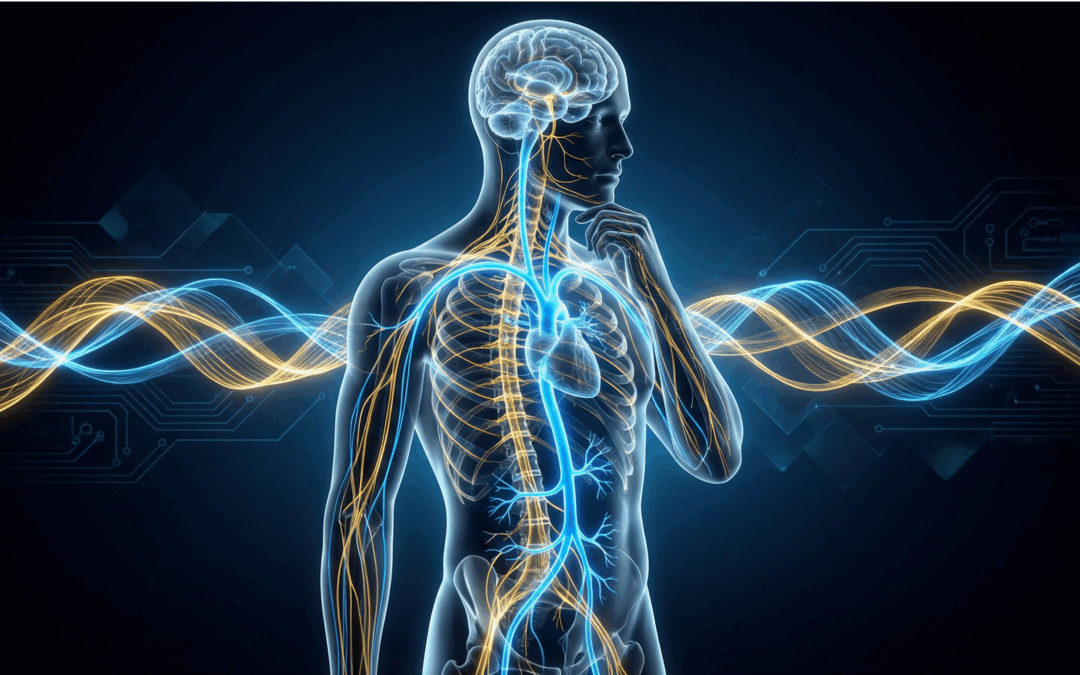
What if the endless cycle of anxiety, brain fog, and burnout wasn’t a personal failing, but a system-wide breakdown of your body’s internal communication network? What if the solution wasn’t another pill, but a forgotten frequency that could reset your entire nervous system? The world’s elite have been quietly using a revolutionary technology to address the root cause of these modern plagues, and now, the secret is out. This isn’t science fiction; it’s the next evolution in human wellness, and it’s powered by Pulsed Electromagnetic Field (PEMF) therapy. For those ready to reclaim their vitality, the C60 Shungite 5G EMF Shield iTorus i2 Pocket PEMF is the key to unlocking this potential.
The Science of a System in Crisis: Understanding Nervous System Dysregulation
Your body is a finely tuned orchestra, and the conductor is the autonomic nervous system (ANS). This intricate network controls all the unconscious processes that keep you alive: your heartbeat, your breathing, your digestion. The ANS is divided into two main branches: the sympathetic nervous system (your “fight or flight” response) and the parasympathetic nervous system (your “rest and digest” response). In a healthy individual, these two systems work in harmony, like a perfectly balanced dance. But what happens when the music stops?[1]
Modern life, with its constant stressors, has thrown this delicate balance into chaos. The result is a state of chronic nervous system dysregulation, where the body is perpetually stuck in “fight or flight” mode. This is the root of what many are now calling “vagus nerve fatigue,” “polyvagal collapse,” or “HPA axis dysregulation.” The vagus nerve, the longest and most complex of the cranial nerves, is the primary channel of communication between the brain and the body, and it’s the main component of the parasympathetic nervous system. When the vagus nerve is not functioning optimally, the body’s ability to relax and recover is severely compromised.[2]
Polyvagal Theory, developed by Dr. Stephen Porges, provides a powerful framework for understanding this phenomenon. It posits that the vagus nerve has two branches: the ventral vagal system, which is associated with social engagement and a sense of safety, and the dorsal vagal system, which is a more primitive response to life-threatening situations, leading to shutdown or dissociation. When we are chronically stressed, we can get stuck in these defensive states, leading to a host of debilitating symptoms.[3]
The Primary Symptom Cluster: A Modern Epidemic
Autonomic nervous system dysregulation manifests in a wide range of symptoms that are often dismissed or misdiagnosed by mainstream medicine. These include:
- Chronic anxiety without cause: A persistent feeling of dread or unease that has no clear trigger.
- IBS, bloating, gut instability: The gut-brain axis is directly controlled by the vagus nerve, and dysregulation can lead to a host of digestive issues.
- Sleep fragmentation: Difficulty falling asleep, staying asleep, or waking up feeling unrested.
- Heart palpitations: A racing or fluttering heart, even when at rest.
- Brain fog: Difficulty concentrating, remembering, or thinking clearly.
- Fatigue and burnout: A profound sense of exhaustion that is not relieved by rest.
- Emotional flattening or hypersensitivity: A diminished ability to feel emotions, or feeling overwhelmed by them.
- Inflammation without diagnosis: Chronic inflammation is a hallmark of nervous system dysregulation and can contribute to a wide range of health problems.
Frequency as Medicine: The PEMF Solution
What if you could directly communicate with your nervous system in its own language? This is the promise of PEMF therapy. By introducing specific frequencies to the body, we can gently guide the nervous system back into a state of balance and coherence. PEMF therapy has been shown to be a safe and effective way to stimulate the vagus nerve, promoting relaxation and reducing stress.[4]
The iTorus i2, with its localized coil stimulation, is the perfect tool for this purpose. By placing the iTorus i2 on key areas of the body, such as the neck, spine, chest, or abdomen, you can directly target the vagus nerve and other important components of the nervous system. This allows for a highly targeted and effective approach to restoring autonomic balance. The frequencies used in PEMF therapy can help to reduce inflammation, improve circulation, and promote cellular repair, all of which are essential for recovering from burnout and nervous system dysregulation.[5]
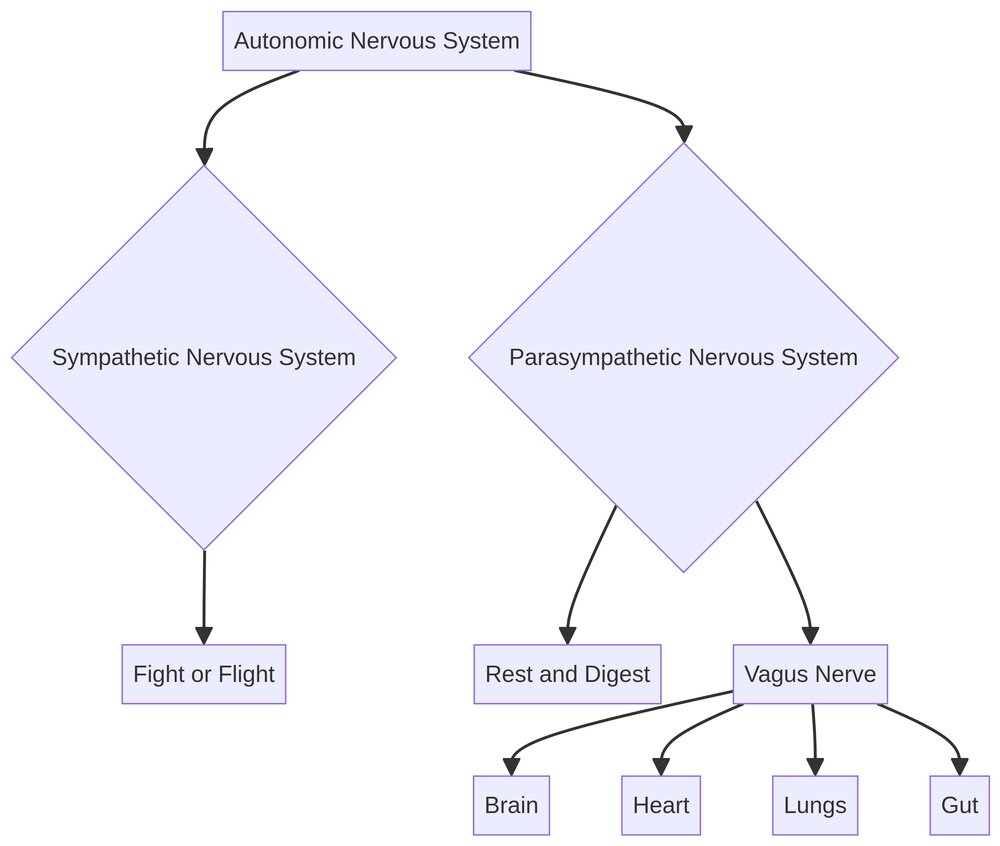
*Figure 1: The Autonomic Nervous System, showing the sympathetic and parasympathetic branches and the central role of the vagus nerve.*
How to Use PEMF for Nervous System Regulation
With the iMprinter:
The program can be imprinted onto water or other substances using the iMprinter for continuous, subtle exposure throughout the day. This is a gentle yet powerful way to introduce the healing frequencies into your system. Simply place a glass of water on the iMprinter, select the desired program, and let it run. Drink the imprinted water throughout the day to maintain a state of balance and coherence.
With the iTorus i2 Coil:
The iTorus i2 Coil allows for targeted application of PEMF therapy. For nervous system regulation, we recommend placing the coil on the following areas:
- Neck: Place the coil on the side of your neck, just below your ear, to directly stimulate the vagus nerve.
- Spine: Move the coil up and down your spine to address the entire nervous system.
- Chest: Place the coil over your heart to promote heart rate variability and a sense of calm.
- Abdomen: Place the coil over your gut to support the gut-brain axis and improve digestion.
Use the PEMF healing app to select the appropriate program and duration. We recommend starting with shorter sessions and gradually increasing the duration as you become more comfortable. The C60 Shungite 5G EMF Shield iTorus i2 Pocket PEMF is your gateway to this transformative technology.

*Figure 2: Recommended placement of the iTorus i2 coil for vagus nerve stimulation and nervous system regulation.*
Best Practices and What to Expect
Consistency is key when it comes to PEMF therapy. We recommend the following protocol for nervous system regulation:
- Daily Protocol: Use the iTorus i2 for 20-30 minutes, 1-2 times per day. The best times are in the morning to set a calm tone for the day, and in the evening to promote restful sleep.
- Weekly Protocol: Use the iTorus i2 at least 5 days per week to maintain a state of balance and prevent the buildup of stress.
- What to Expect: You may notice a sense of calm and relaxation during the first few sessions. Over time, you may experience a reduction in anxiety, improved sleep, better digestion, and increased energy levels.
- How do I know it is working?: Look for a reduction in your primary symptoms. You may also notice an increased sense of well-being, a greater ability to handle stress, and a more positive outlook on life.
- Who is this for?: Anyone experiencing the symptoms of nervous system dysregulation, vagus nerve fatigue, or burnout. This is also an excellent tool for anyone looking to optimize their health and performance.

*Figure 3: A visual representation of how specific frequencies can help to restore balance to the nervous system.*
Related PEMF Programs
Here are some additional PEMF programs that can support your journey to nervous system regulation:
- Star Child Ultimate, Neural, Gut, Heart, Coherence Field Energetics
- 4672 Hz Nogier, Spine, Nervous System, Skin, Pain, Calcification Energetics
- 584 Hz Nogier, Nerve, Digestion, Respiration, Urinary System, Hearing Energetics
- Atrial Fibrillation, Heart Rhythm Disorder – Calm, Coherence, Balance, Stability, Heart-Brain Synchronization, Stress Reduction, Nervous System Support, Energetic Grounding, Relaxation, Emotional Harmony, Energetics
- Tibetan Sacred Lotus Resonance Field, Focus, Stress, Nervous System, Energetics
- Lucid Gamma Dream Induction, Stress, Focus, Nervous System Energetics
- T9 Adrenal Glands Stress Regulation Advanced Energetics
- 2336 Hz Nogier, Brain, Stress Regulation, Mental Clarity, Emotional Stability Energetics
- 429.62 Hz Water – Full Body Healing, Cognitive, Memory, Emotional, Stress Energetics
- Trauma – PTSD Advanced Energetics
Conclusion
The modern world has declared war on our nervous systems, but we are not defenseless. With the power of PEMF therapy, we can fight back. By understanding the science of nervous system dysregulation and using tools like the C60 Shungite 5G EMF Shield iTorus i2 Pocket PEMF, we can restore balance to our bodies and reclaim our lives from the clutches of chronic stress and fatigue. This isn’t just about feeling better; it’s about unlocking a new level of human potential.
Medical Disclaimer: The information provided in this article is for educational purposes only and is not intended as a substitute for professional medical advice, diagnosis, or treatment. Always seek the advice of your physician or other qualified health provider with any questions you may have regarding a medical condition.
References
- Goldberger, J. J., Arora, R., Buckley, U., & Shivkumar, K. (2019). Autonomic Nervous System Dysfunction. Journal of the American College of Cardiology, 73(10), 1189–1206. https://pmc.ncbi.nlm.nih.gov/articles/PMC6958998/
- Porges, S. W. (2007). The polyvagal perspective. Biological psychology, 74(2), 116-143. https://www.ncbi.nlm.nih.gov/pmc/articles/PMC1868418/
- Porges, S. W. (2011). The polyvagal theory: neurophysiological foundations of emotions, attachment, communication, and self-regulation. WW Norton & Company.
- Jerman, I., Škafar, M., Pihir, J., & Senica, M. (2025). Evaluating PEMF vagus nerve stimulation through neck application: A randomized placebo study with volunteers. Electromagnetic Biology and Medicine, 1-11. https://www.tandfonline.com/doi/full/10.1080/15368378.2025.2462649
- Grote, V., Lackner, H., Kelz, C., Trapp, M., Aichinger, F., & Kriesche, M. (2007). Short-term effects of pulsed electromagnetic fields after physical exercise are dependent on autonomic nervous system activity. Journal of sports science & medicine, 6(4), 496. https://www.ncbi.nlm.nih.gov/pmc/articles/PMC3761833/
- Hassamal, S. (2023). Chronic stress, neuroinflammation, and depression. Frontiers in Psychiatry, 14, 1130989. https://www.frontiersin.org/articles/10.3389/fpsyt.2023.1130989/full
- Newton, J. L., Okonkwo, O., Sutcliffe, K., & Seth, A. (2007). Symptoms of autonomic dysfunction in chronic fatigue syndrome. QJM: An International Journal of Medicine, 100(8), 519-526. https://academic.oup.com/qjmed/article/100/8/519/1521818
- Van Cauwenbergh, D., Nijs, J., Kos, D., Van Weijnen, L., & Struyf, F. (2014). Malfunctioning of the autonomic nervous system in patients with chronic fatigue syndrome: a systematic literature review. European journal of clinical investigation, 44(5), 516-526. https://onlinelibrary.wiley.com/doi/full/10.1111/eci.12256
- Chang, P. H., Wei, T. H., & Lee, P. L. (2024). Development of wearable pulsed electromagnetic field device and its application to autonomic nervous system regulation. IEEE Sensors Journal. https://ieeexplore.ieee.org/abstract/document/10528275/
- Salansky, N., Fedotchev, A., & Bondar, A. (1998). Responses of the nervous system to low frequency stimulation and EEG rhythms: clinical implications. Neuroscience & Biobehavioral Reviews, 22(3), 395-409. https://www.sciencedirect.com/science/article/pii/S0149763497000298