
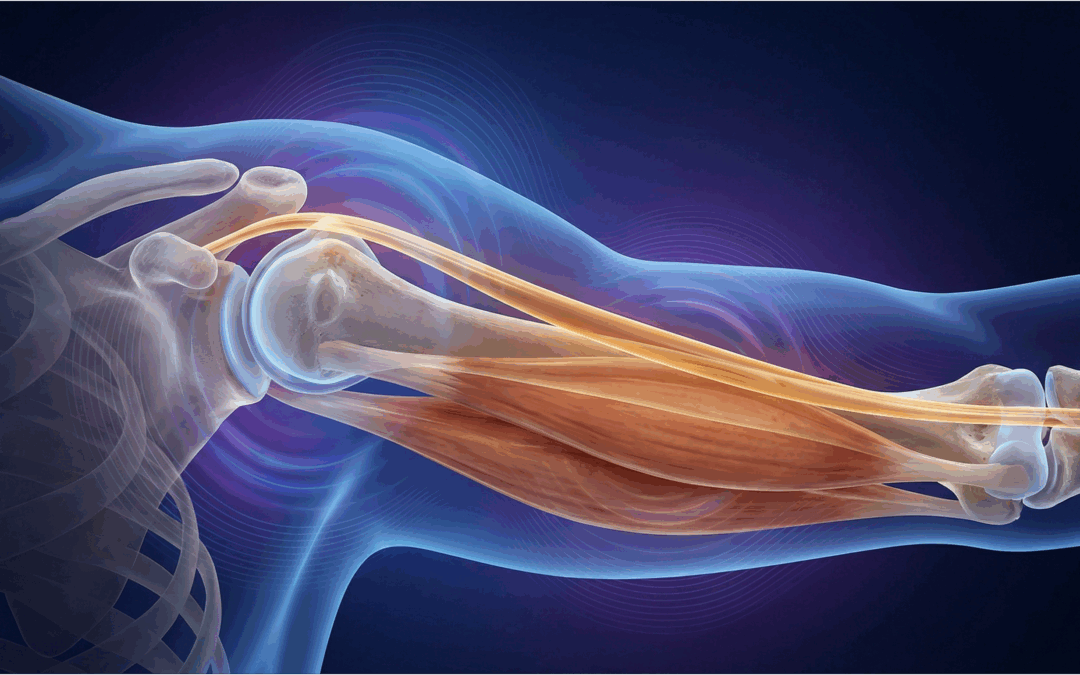
What if the nagging, persistent pain in your shoulder wasn’t a life sentence of chronic inflammation, but a solvable bio-energetic puzzle? What if the world of elite athletes and longevity billionaires held a secret to not just managing, but actively regenerating damaged tendon tissue? They do, and it’s a technology that moves beyond simple pain relief, targeting the very blueprint of cellular repair. This isn’t about masking symptoms; it’s about reminding your body how to heal itself with a level of precision that was once the stuff of science fiction. The key lies in a breakthrough approach known as Biceps Tendinitis, 6 Phase Advanced Coherence Energetics, a program that uses precisely structured electromagnetic fields to orchestrate a symphony of healing within your body.
Biceps tendinitis is a condition that plagues millions, from dedicated athletes to weekend warriors and manual laborers. It’s characterized by a deep, throbbing ache in the front of the shoulder, often made worse by overhead movements.[1] This pain stems from inflammation of the long head of the biceps tendon, a critical structure that connects your bicep muscle to your shoulder. Overuse, repetitive strain, and the natural wear and tear of aging can all contribute to the microscopic tears and inflammation that define this condition. But what if the conventional approach of rest, ice, and anti-inflammatory drugs is only telling half the story? What if there’s a way to accelerate the healing process and prevent future injuries by working with the body’s own electrical system?
The Science of Biceps Tendinitis: A Deeper Look
To understand how to truly heal biceps tendinitis, we must first understand the anatomy and pathophysiology of the condition. The long head of the biceps tendon (LHB) is a remarkable structure, originating from the supraglenoid tubercle of the scapula and passing through the bicipital groove of the humerus.[1] This intricate pathway makes it vulnerable to impingement and mechanical stress, especially during overhead activities. The tendon itself has a relatively poor blood supply, particularly in the areas where it is subjected to the most stress. This limited blood flow can significantly slow down the healing process, leading to chronic inflammation and degeneration of the tendon tissue, a condition known as tendinosis.
The symptoms of biceps tendinitis are often insidious, beginning as a mild ache and gradually progressing to a more severe, debilitating pain. Patients typically report a deep, throbbing pain in the anterior shoulder, which may radiate down the arm.[1] The pain is often exacerbated by overhead lifting, reaching, or throwing. In some cases, a clicking or popping sensation may be felt in the shoulder, indicating instability of the biceps tendon. While a physical examination can often diagnose biceps tendinitis through tests such as the Speed test, Yergason test, or bicipital groove palpation, imaging studies such as ultrasound or MRI may be used to confirm the diagnosis and rule out other causes of shoulder pain.
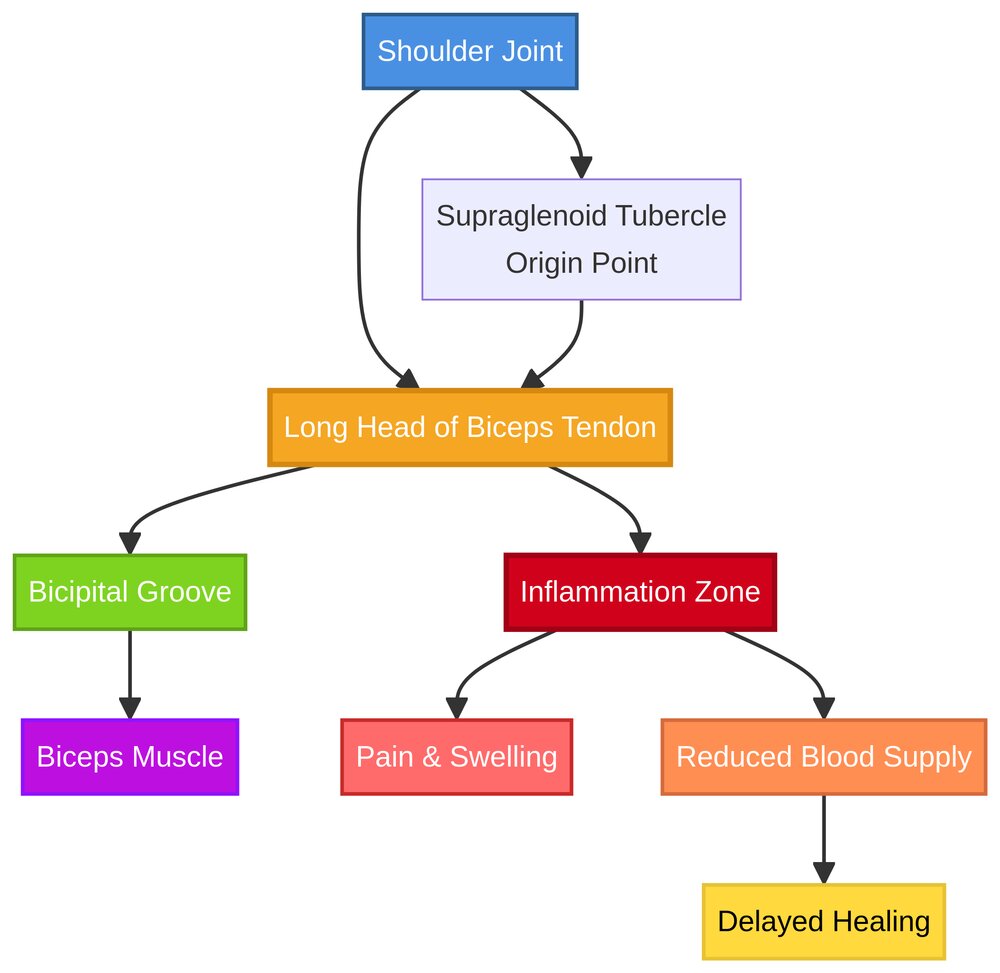
Figure 1: A diagram illustrating the anatomical pathway of the long head of the biceps tendon, showing the inflammation zone and how reduced blood supply leads to delayed healing.
Symptoms You Should Be Looking For
Recognizing the early warning signs of biceps tendinitis is crucial for preventing the condition from progressing to a chronic state. The hallmark symptom is a deep, aching pain in the front of the shoulder, particularly noticeable during or after overhead activities such as lifting, throwing, or reaching. This pain may be accompanied by tenderness when pressing directly on the bicipital groove, the channel through which the biceps tendon runs. Some individuals experience a clicking or popping sensation in the shoulder, which can indicate that the tendon is unstable or moving abnormally within its groove. Night pain is also common, often disrupting sleep and making it difficult to lie on the affected shoulder. If you notice weakness in your arm, difficulty performing routine tasks that involve shoulder movement, or a gradual worsening of pain over time, these are strong indicators that you should seek evaluation and consider targeted interventions.
Who Is This For?
The Biceps Tendinitis, 6 Phase Advanced Coherence Energetics program is designed for a wide range of individuals experiencing anterior shoulder discomfort consistent with biceps tendon overload. This includes athletes involved in overhead sports such as baseball, volleyball, tennis, and swimming, where repetitive shoulder motion places significant stress on the biceps tendon. Manual laborers and individuals whose occupations require frequent lifting, reaching, or overhead work will also benefit from this program. Those recovering from repetitive strain injuries or overuse injuries to the upper arm can use this program as part of a comprehensive rehabilitation strategy. Additionally, individuals who are sensitive to aggressive stimulation and prefer a more organized, phase-based progression will find this approach particularly suitable. The program is also ideal for those using PEMF coils, mats, or haptic systems for upper body recovery, as it provides a structured energetic framework that complements these devices.
The Energetic Blueprint for Healing: How Frequencies Can Help
The human body is an electrical system. Every cell, tissue, and organ communicates through a complex network of bio-electromagnetic signals. When injury and inflammation occur, this communication system can become disrupted, hindering the body’s natural healing processes. This is where Pulsed Electromagnetic Field (PEMF) therapy comes in. PEMF therapy utilizes low-frequency electromagnetic fields to restore cellular communication and promote tissue regeneration.[2]
Research has shown that PEMF therapy can have a profound impact on tendon healing. A study published in the *Journal of Orthopaedic Research* found that PEMF therapy significantly improved tendon-to-bone healing in a rat rotator cuff repair model.[2] The study concluded that PEMF exposure leads to improved bone growth and healing, supporting its use for tendon-to-bone healing in both tendon and bone tissue. The mechanisms behind this healing effect are multifaceted. PEMF therapy has been shown to activate voltage-gated calcium channels in cell membranes, leading to increased calcium influx into cells. This calcium signaling cascade activates a variety of cellular processes, including the regulation of pro- and anti-inflammatory cytokines, the activation of mesenchymal stem cells, and the polarization of macrophages from a pro-inflammatory M1 phenotype to a pro-regenerative M2 phenotype.[3]
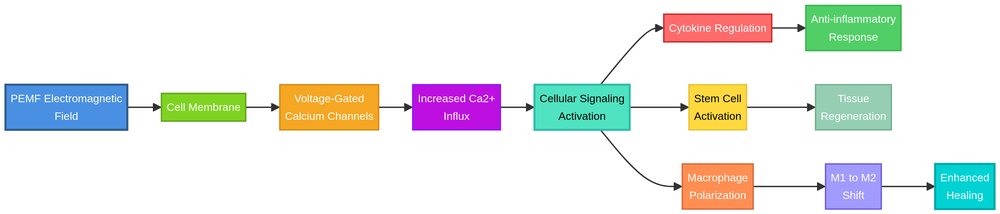
Figure 2: A diagram illustrating how PEMF therapy works at a cellular level, showing the interaction of electromagnetic fields with cells to promote healing and reduce inflammation through calcium channel activation and macrophage polarization.
Why Rife Frequencies Often Fail: The Bicycle vs. Spaceship Difference
If you’ve explored frequency healing before, you may have encountered Rife frequencies—single-tone frequencies that have been used since the 1930s. While Rife technology was groundbreaking for its time, many users report a frustrating pattern: initial results that plateau or disappear entirely after a few weeks or months. This phenomenon is so common that online forums are filled with complaints about Rife protocols “stopping working” or producing slow to no results after the initial honeymoon period. The reason for this failure is rooted in the fundamental limitations of 1930s technology compared to modern bioelectromagnetic science.
Rife frequencies operate on a simple premise: bombard the body with a single static frequency and hope it resonates with the target tissue or pathogen. This is like trying to have a complex conversation using only one word, repeated over and over. The body’s healing systems don’t respond to monotonous, unchanging signals—they adapt, habituate, and eventually tune them out entirely. It’s the biological equivalent of becoming “nose-blind” to a smell in your home. After the initial novelty wears off, your nervous system recognizes the signal as background noise and stops responding. This is why so many people experience diminishing returns with Rife protocols: the body simply stops listening.
In contrast, the 6 Phase Advanced Coherence Energetics approach is like comparing a bicycle to a spaceship. Where Rife frequencies are static, single-tone, and one-dimensional, advanced coherence energetics employs dynamic, multi-layered frequency architectures that evolve over time. The program uses adaptive burst patterns, stereo phase interactions, harmonic complexity, and controlled tapering—all designed to prevent neural habituation and maintain the body’s engagement throughout the entire 45-minute session. Instead of hammering the body with the same monotonous tone, this approach guides the system through six distinct phases, each with its own energetic signature and therapeutic objective. The result is a healing experience that feels progressive, coherent, and alive—not repetitive and stagnant.
Think of it this way: Rife frequencies are like riding a bicycle on a flat road—you might make some progress initially, but you’re limited by the simplicity of the technology and the body’s inevitable adaptation. Advanced coherence energetics, on the other hand, is like piloting a spaceship with multiple propulsion systems, adaptive navigation, and the ability to traverse dimensions that a bicycle can’t even perceive. This is why users of modern PEMF programs report sustained, cumulative benefits rather than the plateau effect so common with ancient Rife protocols. The technology has evolved, and so should your approach to healing.
The 6 Phase Advanced Coherence Energetics Program
The Biceps Tendinitis, 6 Phase Advanced Coherence Energetics program is a revolutionary approach to healing that combines the power of PEMF therapy with a deep understanding of the body’s energetic systems. This 45-minute program is not a simple frequency track, but a carefully structured six-phase energetic progression that guides the system through a process of neural downshift, microvascular activation, inflammatory field modulation, regenerative signaling, meridian alignment, and structured stabilization. Each phase is designed to build upon the last, creating a coherent and progressive healing experience.
The program unfolds in six intentional phases using low-frequency dominance, stereo phase interaction, adaptive burst architecture, and controlled tapering. Early phases calm guarding and improve circulation, middle phases introduce organized modulation, and the final phase stabilizes the field to prevent rebound sensitivity. The result is an experience that feels progressive and coherent rather than intense or chaotic.
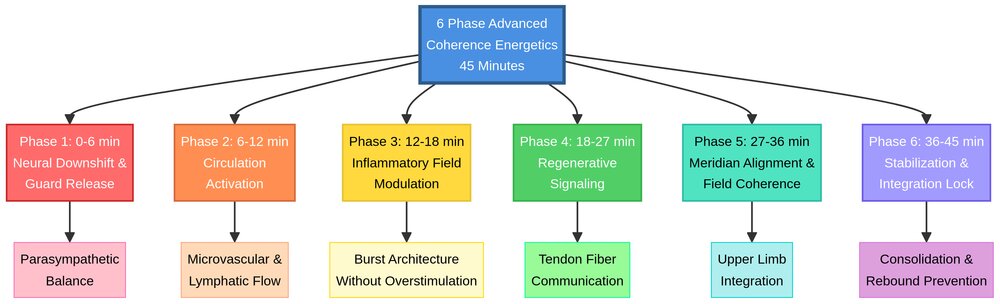
Figure 3: A diagram illustrating the six phases of the Advanced Coherence Energetics program, showing the progression from neural downshift through stabilization and integration.
Phase 1: Neural Downshift & Guard Release (0-6 minutes)
The first phase encourages parasympathetic balance and reduces protective muscle tension. This phase uses low-frequency signals to calm the nervous system and prepare the body for deeper healing. By reducing the guarding response that often accompanies pain and inflammation, this phase creates a receptive state for the subsequent phases.
Phase 2: Circulation Activation (6-12 minutes)
The second phase supports microvascular and lymphatic movement within the tendon region. Improved circulation is essential for delivering nutrients and oxygen to the damaged tissue while removing metabolic waste products. This phase uses specific frequency patterns to enhance blood flow and lymphatic drainage.
Phase 3: Inflammatory Field Modulation (12-18 minutes)
The third phase introduces structured burst architecture without overstimulation. This phase targets the inflammatory response, helping to shift the balance from pro-inflammatory to anti-inflammatory signaling. By modulating the inflammatory field, this phase creates an environment conducive to tissue repair.
Phase 4: Regenerative Signaling Phase (18-27 minutes)
The fourth phase encourages organized tendon fiber communication and neuromuscular coordination. This is the longest phase of the program, reflecting the importance of regenerative signaling in the healing process. During this phase, the body is guided to activate stem cells and other regenerative mechanisms.
Phase 5: Meridian Alignment & Field Coherence (27-36 minutes)
The fifth phase supports upper limb energetic integration. This phase recognizes that the shoulder and arm are part of a larger energetic system, and that true healing requires integration across multiple levels of organization.
Phase 6: Stabilization & Integration Lock (36-45 minutes)
The final phase gradually tapers stimulation to allow consolidation rather than reactivation. This phase is crucial for preventing rebound sensitivity and ensuring that the healing effects are sustained over time.
Spectral Analysis: Understanding the Frequency Architecture
The spectral analysis of the Biceps Tendinitis, 6 Phase Advanced Coherence Energetics program reveals a complex and sophisticated frequency architecture. The spectrogram shows the frequency content over time, with the vertical axis representing frequency (from low to high) and the horizontal axis representing time (from 0 to 45 minutes). The color intensity indicates the amplitude or strength of each frequency component, with brighter colors representing stronger signals.
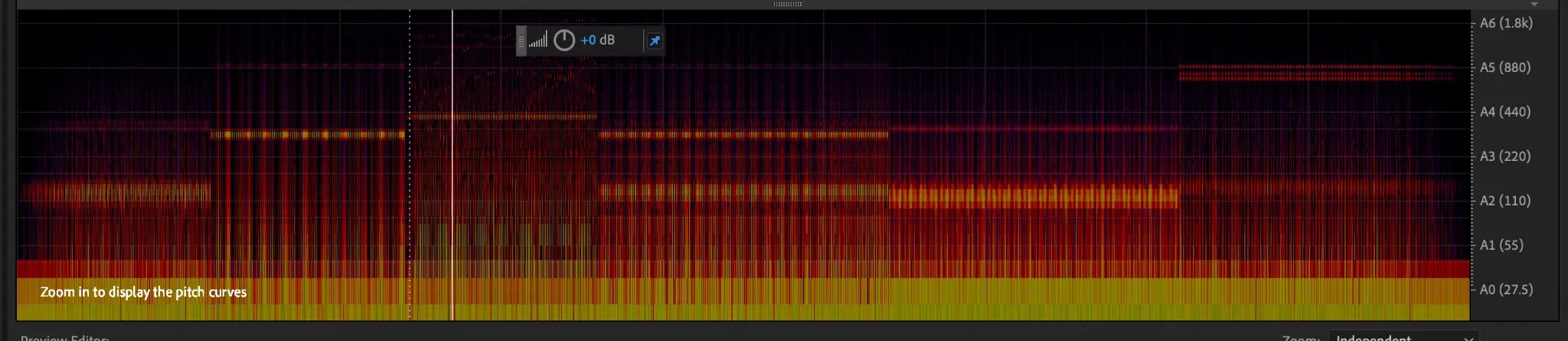
Figure 4: Spectral analysis showing the frequency content of the first half of the program, revealing the dense harmonic structure and low-frequency dominance that characterizes the early phases.
What is immediately apparent from the spectral analysis is the dense harmonic structure throughout the program. Rather than using single, isolated frequencies, the program employs a rich tapestry of harmonically related frequencies that interact with each other to create a coherent energetic field. The low-frequency components (below 1000 Hz) are particularly prominent, reflecting the program’s emphasis on deep tissue penetration and cellular-level effects. These low frequencies are capable of inducing electrical currents in biological tissues, which can then influence cellular processes such as ion channel activity and gene expression.
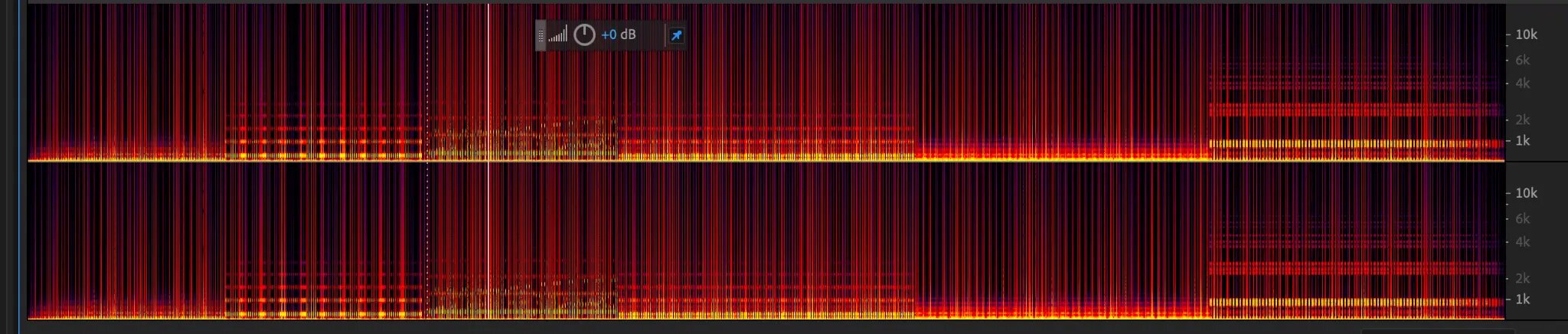
Figure 5: Spectral analysis showing the frequency content of the second half of the program, demonstrating the adaptive modulation and tapering that occurs in the later phases.
The spectral analysis also reveals the adaptive nature of the program. The frequency content changes over time, reflecting the different phases and their specific objectives. In the early phases, the frequency spectrum is relatively stable, providing a consistent energetic foundation. As the program progresses, the frequency content becomes more dynamic, with bursts of higher-frequency components appearing and disappearing. This adaptive modulation helps to prevent neural habituation, ensuring that the body continues to respond to the stimulation throughout the entire 45-minute session. The final phase shows a gradual tapering of the frequency content, with the amplitude of the signals decreasing over time. This controlled tapering is essential for allowing the body to consolidate the healing effects and return to a stable baseline state.
Related PEMF Programs
- Biceps Tendinitis, 6 Phase Advanced Coherence Energetics (Main Program)
- Shoulder Injuries Recovery Energetics
- Shoulders Recover Complete Advanced+ Energetics
- Shoulder Left Neuroreceptors
- Shoulder Right Neuroreceptors
- Bicep Muscle Recovery and Strength 4X Sweep Energetics
- Deep Tissue Regeneration, Recovery Tesla 3 6 9 Energetics
- AC Joint Recovery & Ligament Deep Healing Advanced Energetics
- SERPINA5 Gamma Coherence Activation Full Neuroimmune Protocol
- Torus Within 33 Alignment, Stability, Coherence, Flow, Awareness, Integration, Energetics
- 528Hz Sacred 5-Phase Full Spectrum Energetics
- Arthritis Recovery Advanced Energetic
- Binaural pH Level Restore Grounding Tissue Joint Muscle Advanced Energetics
Best Practices and What to Expect
To get the most out of the Biceps Tendinitis, 6 Phase Advanced Coherence Energetics program, it’s important to follow a consistent protocol. For optimal results, use the program once or twice daily for 10-14 consecutive days, then reduce to every other day for stabilization. It’s also important to stay hydrated before and after each session and to reduce the intensity if you experience any increase in sensitivity.
How to Use With iTorus i2 Coil
The iTorus i2 is a powerful PEMF device that can be used to deliver the program directly to the affected area. To use the iTorus i2, position the device near the anterior shoulder or upper biceps tendon groove. You can use the PEMF healing app to select the program and adjust the intensity to a comfortable, non-straining level. For best results, use the iTorus i2 for the full 45-minute duration of the program. The daily practice should involve one complete session per day during active recovery phases.
Where to place the iTorus i2: Position the coil directly over the front of your shoulder, centered on the bicipital groove (the channel where the biceps tendon runs). You can also place it on the upper arm if you feel the pain radiating down from the shoulder. The key is to position the device where you feel the most discomfort, as this is likely where the inflammation is most concentrated.
How to Use the Imprinter
The imprinter is a unique device that allows you to imprint the energetic signature of the program onto water or other substances. To use the imprinter, simply place a glass of high-quality filtered water on the Archimedean Tesla Spiral Frequency Imprinter or the Metatronic Flower of Life Frequency Imprinter and run the program for 30-45 minutes. You can then drink the imprinted water throughout the day to receive the benefits of the program. Best practices for imprinting include using high-quality filtered water, consuming the imprinted water within the same day, and storing the water away from electromagnetic interference sources such as cell phones and Wi-Fi routers.
The provides a full-body experience, immersing you in the coherent energetic field for deep systemic entrainment. To use the , lie comfortably with the affected shoulder centered within the active field area. Keep the intensity moderate rather than maximal, as gentle stimulation is often more effective than strong stimulation for tendon healing. Use one full session per day during recovery phases. The allows broader field distribution, supporting systemic circulation and autonomic balance alongside localized tendon support.
How to Use With Woojer Haptic Devices
Haptic technology represents a breakthrough in how we can physically experience and embody healing frequencies. Unlike traditional PEMF devices that work through electromagnetic fields, haptic devices translate audio frequencies into tactile vibrations that you can feel directly on your body. This creates a unique form of somatic entrainment where your body literally vibrates in resonance with the healing frequencies of the program.
The science behind haptic therapy is rooted in mechanotransduction, the process by which cells convert mechanical stimuli into biochemical signals. When you use a haptic device and play the Biceps Tendinitis, 6 Phase Advanced Coherence Energetics program, the low-frequency vibrations are transmitted through your skin, fascia, and connective tissue directly to the affected area. This mechanical stimulation can enhance blood flow, reduce muscle guarding, promote lymphatic drainage, and create a deep sense of relaxation that supports the body’s natural healing processes.
Using the Woojer Mat (Primary Recommendation)
The Woojer Mat is our primary recommendation for haptic therapy in biceps tendinitis recovery. This full-body haptic mat provides the most comprehensive and immersive vibrational experience, allowing you to lie down and receive whole-body mechanical stimulation while the healing frequencies penetrate deeply into your shoulder and surrounding tissues.
Why the Woojer Mat is ideal for biceps tendinitis: The mat’s large surface area distributes haptic vibrations across your entire back, shoulders, and upper body, creating a field of mechanical stimulation that goes beyond localized treatment. This full-body approach supports systemic circulation, autonomic nervous system balance, and deep fascial release throughout the shoulder girdle and upper extremity. The mat format also allows for complete relaxation during the 45-minute session, which is crucial for parasympathetic activation and optimal healing.
How to use the Woojer Mat: Place the mat on a firm, flat surface such as a yoga mat on the floor or on top of your bed. Lie down on your back with the mat positioned so that your entire spine, shoulders, and upper back are in contact with the haptic surface. Connect the mat to your phone, tablet, or computer via Bluetooth or cable. Play the Biceps Tendinitis program through the PEMF healing app, and the mat will convert the audio frequencies into full-body haptic vibrations. Start with a moderate intensity setting (around 50-60%) and adjust based on your comfort level.
Positioning for biceps tendinitis: Position yourself so that your affected shoulder is fully supported by the mat. You may want to place a small pillow or rolled towel under your neck for comfort, but ensure that your shoulder blades and upper back maintain firm contact with the mat surface. This allows the vibrations to transmit directly through the scapula and into the biceps tendon region. If you have bilateral shoulder issues, the mat’s full-body coverage will address both sides simultaneously.
What to expect with the Woojer Mat: During the session, you’ll feel rhythmic vibrations that pulse through your entire upper body, changing in intensity and pattern as the program progresses through its six phases. The early phases will feel gentle and grounding, creating a sense of deep relaxation and safety. As the program moves into the middle phases, you may feel more dynamic pulsing patterns that seem to “massage” the tissues from within. Many users report a profound sense of whole-body coherence, improved breathing depth, and a feeling of tension melting away from the shoulder and neck region. The distributed vibration pattern helps release compensatory tension throughout the entire kinetic chain, not just the injured area.
Using the Woojer Strap (Portable Option)
For those who need a more portable solution or prefer to use haptic therapy while sitting or moving, the Woojer Strap offers a wearable alternative. This device straps across your chest and upper back, positioning haptic transducers near your shoulder region.
How to use the Woojer Strap: Position the strap so that the haptic transducers are aligned with your upper chest and shoulder region, with the main unit centered on your sternum. The strap should be snug but not restrictive. Connect the strap to your device via Bluetooth or cable and play the Biceps Tendinitis program. Start with moderate intensity (50-60%) and adjust as needed. You can use the strap while lying down, sitting, or even during gentle movement, making it ideal for integrating haptic therapy into your daily routine.
Using the Woojer Vest (Full-Torso Option)
The Woojer Vest provides a more immersive wearable experience with multiple transducers positioned across the chest, back, and sides. This creates a 360-degree haptic field that enhances the coherence and integration aspects of the program.
How to use the Woojer Vest: Put on the vest and adjust the straps for a comfortable, secure fit. The vest should feel snug against your torso without restricting breathing or movement. Connect the vest to your audio source and play the Biceps Tendinitis program. The vest’s multiple transducers will create a surround-haptic experience with vibrations distributed across your upper body. Start with moderate intensity (50-60%) and adjust as needed. For maximum benefit, lie down in a comfortable position with your affected shoulder supported, allowing the vibrations to penetrate deeply into the tissue.
Daily Haptic Protocol
For optimal results with haptic devices, use the program once daily for 10-14 consecutive days during the acute recovery phase. The best time is in the evening, as the deep relaxation induced by haptic stimulation can improve sleep quality. After the initial intensive phase, reduce to 3-4 times per week for maintenance. Always ensure the device is clean and the battery is fully charged before each session. Stay well-hydrated, as the mechanical vibrations can enhance lymphatic drainage and metabolic waste removal.
Combining Haptic with PEMF
For advanced users, you can combine haptic therapy with PEMF devices for a synergistic effect. For example, you could use the iTorus i2 coil positioned directly on the shoulder while lying on the Woojer Mat or wearing the Woojer Strap or Vest. This creates a dual-modality approach where electromagnetic fields work at the cellular level while mechanical vibrations work at the tissue and fascial level. When combining modalities, start with lower intensities for both devices and gradually increase as tolerated.
Daily Protocol
For the first 10-14 days, use the program once to twice daily. Morning sessions can help reduce stiffness and prepare the shoulder for daily activities, while evening sessions can promote relaxation and overnight healing. After the initial intensive phase, reduce to every other day for stabilization and maintenance. This tapering approach helps to prevent overstimulation while maintaining the therapeutic benefits.
Weekly Protocol
Over the course of several weeks, you should notice a gradual improvement in your symptoms. Week 1-2: Daily use, expect subtle changes in pain levels and range of motion. Week 3-4: Every other day use, expect more noticeable improvements in strength and function. Week 5+: As needed for maintenance, with most individuals experiencing significant relief by this point.
What to Expect and How to Know It’s Working
The effects of the program can be subtle at first, but with consistent use, you should start to notice a gradual reduction in pain and an improvement in your range of motion. During the session, you may experience a sense of deep relaxation and well-being, along with subtle pulsing sensations around the shoulder and biceps groove when used with coil or mat systems. When using haptic devices, you’ll feel rhythmic vibrations that create a soothing, meditative state.
To know if the program is working, pay attention to the following indicators: decreased pain intensity, especially during overhead movements; increased range of motion in the shoulder; reduced tenderness when pressing on the bicipital groove; improved strength when performing activities that previously caused discomfort; better sleep quality due to reduced night pain; and a general sense of improved shoulder function. It’s also helpful to keep a journal to track your progress and note any changes you experience. Rate your pain on a scale of 0-10 before and after each session, and track your ability to perform specific activities such as reaching overhead, lifting objects, or throwing.
Research and What the Science Says
The scientific foundation for PEMF therapy in tendon healing is robust and growing. Multiple studies have demonstrated the efficacy of PEMF in promoting tissue repair and reducing inflammation. A study published in *Bioelectricity* found that PEMF modulates inflammatory processes through the regulation of pro- and anti-inflammatory cytokine secretion during different stages of inflammatory response.[3] The study concluded that PEMF treatment could provide a novel non-pharmaceutical means of modulating inflammation in injured tissues, resulting in enhanced functional recovery.
The mechanisms by which PEMF exerts its therapeutic effects are multifaceted. PEMF has been shown to promote the polarization switch from M1 to M2 macrophage phenotype, which is important for promoting functional tissue regeneration.[3] M1 macrophages are pro-inflammatory and promote cell recruitment and proliferation, while M2 macrophages are anti-inflammatory and promote differentiation and tissue regeneration. The presence of more M1 than M2 macrophages has been shown to inhibit tissue repair, so the ability of PEMF to promote the M1 to M2 switch is a key mechanism of its therapeutic action.
PEMF also works on mesenchymal stem cells (MSCs), which home to damaged tissues and contribute to their repair by secretion of cytokines, chemokines, and extracellular matrix proteins.[3] MSCs are capable of modulating the immune response, and PEMF has been shown to enhance these immunomodulatory effects. In diabetic rats, MSC treatment upregulated anti-inflammatory cytokine IL-10, and MSCs appear to play a dual role whereby they promote the M1 differentiation of naive macrophages, yet in the presence of M1, MSCs promote the M1 to M2 conversion.
Another study published in the *Journal of Orthopaedic Research* investigated the effects of PEMF on rotator cuff tendon-to-bone healing and found that PEMF improved early tendon healing and did not alter joint function in a rat rotator cuff repair model.[2] The study used micro-computed tomography (µCT) analysis to show improved bone properties in the PEMF group, further supporting findings of PEMF exposure leading to improved bone growth and healing. These results support the use of PEMF for rotator cuff tendon-to-bone healing in both tendon and bone tissue, which has direct implications for biceps tendinitis as the biceps tendon also inserts into bone.
Conclusion
Biceps tendinitis can be a frustrating and debilitating condition, but it doesn’t have to be a life sentence. By harnessing the power of PEMF therapy, haptic technology, and the body’s own energetic systems, you can accelerate the healing process, reduce inflammation, and restore function to your shoulder. The Biceps Tendinitis, 6 Phase Advanced Coherence Energetics program offers a revolutionary approach to healing that goes beyond simple symptom management, targeting the very root of the problem at the cellular and energetic levels. If you’re ready to take control of your health and unlock your body’s true healing potential, then it’s time to explore the world of advanced coherence energetics.
Medical Disclaimer: The information provided in this article is for educational purposes only and is not intended as a substitute for professional medical advice, diagnosis, or treatment. Always seek the advice of your physician or other qualified health provider with any questions you may have regarding a medical condition.
References
- Varacallo, M. A., et al. (2023). Proximal Biceps Tendinitis and Tendinopathy. In StatPearls. StatPearls Publishing. https://www.ncbi.nlm.nih.gov/books/NBK533002/
- Tucker, J. J., et al. (2017). Pulsed electromagnetic field therapy improves tendon-to-bone healing in a rat rotator cuff repair model. Journal of Orthopaedic Research, 35(4), 902–909. https://doi.org/10.1002/jor.23333
- Ross, C. L., et al. (2019). The Use of Pulsed Electromagnetic Field to Modulate Inflammation and Improve Tissue Regeneration: A Review. Bioelectricity, 1(4), 247–259. https://doi.org/10.1089/bioe.2019.0026