
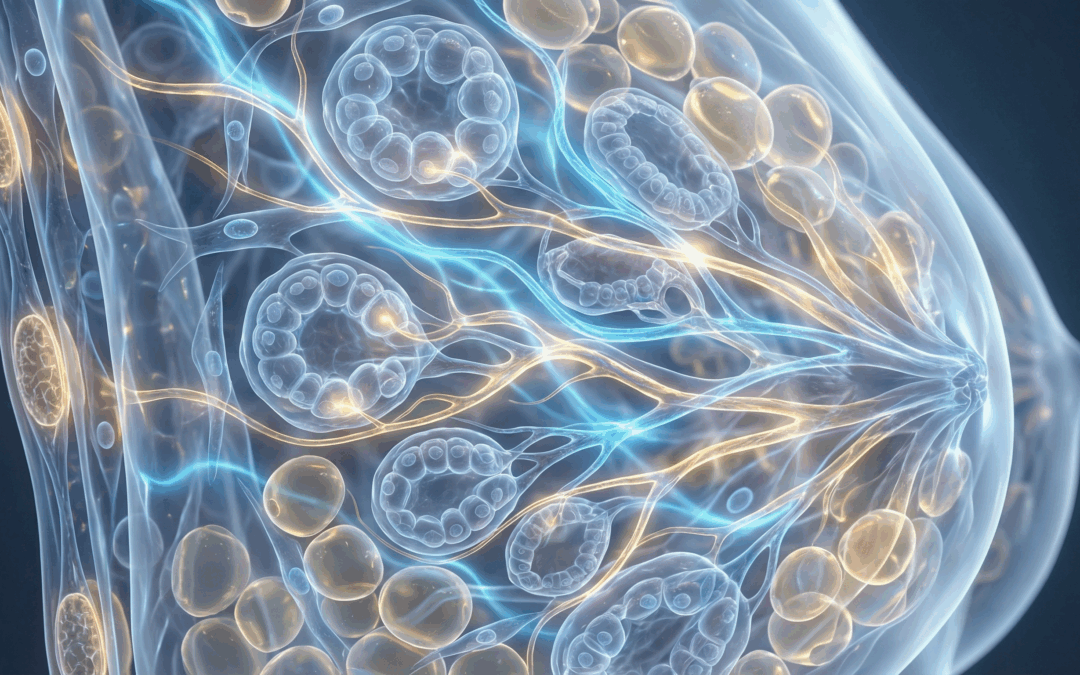
 Breast cancer remains a formidable challenge in modern medicine, but a paradigm shift is underway. Emerging research in bioelectric oncology reveals that cancer is not merely a genetic disease, but a profound disruption in cellular communication and membrane potential (Vm) [1]. The Bioelectric Oncology & Cellular Integrity Protocol leverages advanced pulsed electromagnetic fields (PEMF) to restore healthy bioelectric signaling, re-educate aberrant cells, and reactivate the body’s innate tumor suppression mechanisms [2]. This protocol moves beyond the limitations of static frequency therapies, utilizing adaptive harmonic sweeps to prevent cellular adaptation and maximize therapeutic efficacy [3].
The Bioelectric Signature of Cancer: Depolarized Vm
Healthy cells maintain a negative membrane potential (hyperpolarization), crucial for proper cellular function, differentiation, and communication. Cancer cells, however, exhibit a depolarized (more positive) Vm, which promotes uncontrolled proliferation and inhibits apoptosis [4]. This bioelectric dysregulation is a hallmark of cancer, driving its aggressive behavior and metastatic potential [5]. By restoring a healthy, negative Vm, PEMF can effectively “reprogram” cancer cells towards a more benign phenotype [6].

The Static Frequency Trap: Why the Rife Era is Over
The historical reliance on static, single-frequency delivery, often associated with Rife technology, has a critical flaw: cellular adaptation. Cells are remarkably intelligent and quickly become desensitized to a constant, unchanging signal, a phenomenon known as “cellular boredom” [7]. Once adaptation occurs, the therapeutic effect diminishes significantly. The Bioelectric Oncology & Cellular Integrity Protocol marks the end of this era, employing dynamic, 9-layer harmonic sweeps that constantly evolve. This prevents adaptation, ensuring continuous cellular engagement and maximizing the body’s regenerative and tumor-suppressing responses [8].
Reactivating p53: The Guardian of the Genome
The p53 tumor suppressor gene is often called the “guardian of the genome.” In many cancers, p53 is mutated or inactivated, allowing damaged cells to proliferate unchecked. PEMF, particularly with specific harmonic patterns, has been shown to reactivate p53 pathways, inducing apoptosis (programmed cell death) in cancer cells and promoting DNA repair in healthy cells [9]. The -p53 Guardian 7 Phase Advanced 9 Layer Harmonic Support Energetics program is central to this protocol, directly targeting cellular integrity and genomic stability [10].
Targeting Cancer Stem Cells: The Root of Recurrence
Cancer stem cells (CSCs) are a small subpopulation of cancer cells responsible for tumor initiation, metastasis, and recurrence. These cells are often resistant to conventional therapies. Bioelectric fields can specifically target CSCs by altering their microenvironment and signaling pathways, making them more susceptible to apoptosis and differentiation [11].
Lymphatic Drainage: The Body’s Waste Removal System
The lymphatic system plays a crucial role in immune surveillance and waste removal. In breast cancer, lymphatic dysfunction can contribute to tumor progression and metastasis. PEMF, especially with specific frequencies, can enhance lymphatic flow, facilitating the removal of toxins and cellular debris, and supporting immune cell trafficking to the tumor site [12]. The Lymphatic Drainage and Detox Advanced Energetics program is vital for this aspect of the protocol.

Restoring Cell-to-Cell Communication: Gap Junctions
Cancer cells often exhibit impaired gap junction communication, leading to uncontrolled growth. PEMF can restore functional gap junctions, allowing for the re-establishment of normal cellular communication and growth regulation [13].
Modulating Inflammation: The Tumor Microenvironment
Chronic inflammation fuels cancer progression. PEMF has potent anti-inflammatory effects, modulating cytokines and growth factors within the tumor microenvironment to inhibit tumor growth and metastasis [14].
Enhancing Chemosensitivity and Radiosensitivity
For those undergoing conventional treatments, PEMF can act as a powerful adjuvant. Studies show that PEMF can enhance the sensitivity of cancer cells to chemotherapy and radiation, making these treatments more effective while protecting healthy tissue [15].
PEMF Healing Program Recommendations
To achieve optimal results in breast cancer support, specific frequency sets must be utilized. Below are the surgically sourced programs from the PEMF Healing App API:
| Program Title | Focus Area | Link |
|---|---|---|
| Breast Cancer 5X CAFL Advanced Energetics | Direct Cancer Targeting | View Program |
| Breast Cancer Advanced | Comprehensive Support | View Program |
| Cancer Breast Energetics | General Breast Cancer | View Program |
| -p53 Guardian 7 Phase Advanced 9 Layer Harmonic Support Energetics | DNA & Cellular Integrity | View Program |
| Lymphatic Drainage and Detox Advanced Energetics | Detoxification & Immune Support | View Program |
| Metastatic Cancer, 7 Phases, Coherence, Transmutation, Cellular Renewal, Energetics | Metastasis Support | View Program |
| Cancer 27.5Hz Disruption Harmonic Field, Breast, Prostate, Liver Energetics | Targeted Disruption | View Program |
| Adenocarcinoma, 4 Phases, Core Tumor, Pathogen – Lymphatic, CAFL Energetics | Adenocarcinoma Specific | View Program |
| Breast Tumors Benign Basic Energetic | Benign Tumor Support | View Program |
Mandatory Pre-Session: The Breath Lab Ritual
Before initiating any bioelectric session, the body must be in a parasympathetic state. Open the PEMF Healing App and navigate to Menu > Breathlab. Perform the 4-minute “Coherence” breathing exercise to optimize cellular receptivity to the frequencies. This step is non-negotiable for maximizing ion channel permeability and reducing stress, which can impact immune function.
iMprinter Best Practices: Molecular Loading for Oncology
The iMprinter is a powerful tool for enhancing the efficacy of your oncology support. Molecular loading involves placing your targeted supplements (e.g., Vitamin D, curcumin, frankincense oil, or specific anti-cancer botanicals) on the iMprinter plate and “broadcasting” their energetic signature into your drinking water. This creates a bio-available liquid supplement that works synergistically with the PEMF programs, delivering molecular information directly to the cellular environment.
iTorus Coil Placement Strategy for Breast Health
For breast cancer support, precise iTorus i2 coil placement is crucial. The coil should be placed directly over the affected breast tissue, ensuring full coverage. For lymphatic drainage, place the coil in the axillary (armpit) region to stimulate lymph flow towards the nodes. Alternate placement to cover all areas of concern. Ensure the coil is in direct contact with the skin for maximum field penetration.
Synergistic Device Protocol: The “Oncology Trinity”
The most effective protocol for breast cancer support combines the iTorus i2 for localized bioelectric signaling, the Woojer Vest for systemic skeletal vibration and immune modulation, and the Vortex 6 for scalar field amplification and cellular coherence. This “Oncology Trinity” ensures comprehensive bioelectric support, addressing both local tumor microenvironment and systemic cellular integrity.
30-Day Roadmap: Day-by-Day Cellular Re-education
- Day 1-7: Detoxification & Immune Priming. Perform the 4-minute Breath Lab ritual (Menu > Breathlab, 4:4:4:4 box breathing), then play “Lymphatic Drainage and Detox Advanced Energetics” for 30 mins. Place iTorus in axillary region. Drink iMprinter-loaded water with detoxifying herbs.
- Day 8-21: Targeted Cellular Re-education. Perform the 4-minute Breath Lab ritual (Menu > Breathlab, 4:4:4:4 box breathing), then play “Breast Cancer 5X CAFL Advanced Energetics” for 45 mins. Place iTorus directly over breast tissue. Use Woojer Vest for 20 mins during session.
- Day 22-30: Cellular Integrity & p53 Activation. Perform the 4-minute Breath Lab ritual (Menu > Breathlab, 4:4:4:4 box breathing), then play “-p53 Guardian 7 Phase Advanced 9 Layer Harmonic Support Energetics” for 60 mins. Alternate iTorus placement over breast and sternum.
What to Expect: The “Healing Response”
During the initial phases, you may experience mild fatigue or increased lymphatic flow. This is a positive sign of detoxification and cellular re-education. Ensure adequate hydration and rest. Consult your healthcare provider if symptoms are severe or persistent.
Hydration and Bioelectric Conductivity
Optimal hydration is paramount for bioelectric signaling. Consume structured water, ideally imprinted with the iMprinter, to enhance cellular conductivity. Water acts as a conduit for frequencies, ensuring deep penetration and effective cellular communication.
Synergistic Nutrients: Fueling Cellular Repair
Support your body’s healing process with targeted nutrition. Key nutrients include Vitamin D3, Omega-3 fatty acids, curcumin, and medicinal mushrooms (e.g., Reishi, Turkey Tail), which synergize with PEMF to promote cellular integrity and immune function.
Avoiding Environmental Disruptors
Minimize exposure to electromagnetic pollution (EMF) from Wi-Fi, cell phones, and smart devices, which can disrupt cellular communication and exacerbate bioelectric dysregulation. Create a “bioelectric sanctuary” in your home.
Long-Term Maintenance: Sustaining Cellular Integrity
After the 30-day protocol, continue with a maintenance program 3-4 times a week, alternating between “-p53 Guardian” and “Lymphatic Drainage” programs. Regular use of the iMprinter and iTorus will help sustain cellular health and prevent recurrence.
The Future of Oncology: Bioelectric Precision
The future of cancer treatment lies in understanding and manipulating the body’s intrinsic bioelectric code. This protocol represents a significant step towards a non-invasive, highly targeted approach to oncology, empowering the body to heal itself.
Conclusion: Reclaiming Your Cellular Sovereignty
The Breast Cancer Bioelectric Oncology & Cellular Integrity Protocol offers a revolutionary path to reclaiming health and cellular sovereignty. By restoring proper bioelectric signaling, reactivating tumor suppressors, and supporting detoxification, you are engaging your body’s profound capacity for healing and regeneration.
For advanced users seeking a more powerful spiral geometry, the Archimedean Tesla Spiral Frequency Imprinter delivers an intensified toroidal field imprint using sacred geometric coil winding for deeper water structuring and enhanced bioelectric coherence.
References
- Mahapatra, C. (2025). Bioelectric Membrane Potential and Breast Cancer. Receptors, 4(2), 9.
- Vadalà, M. (2016). Mechanisms and therapeutic effectiveness of pulsed electromagnetic fields. Electromagnetic Biology and Medicine, 35(4), 437-448.
- Pantelis, P. (2024). Pulsed Electromagnetic Fields (PEMFs) Trigger Cell Death. International Journal of Molecular Sciences, 25(5), 2473.
- Yang, M. (2013). Membrane potential and cancer progression. Journal of Cell Physiology, 228(10), 1913-1920.
- Payne, S. L. (2019). Bioelectric Control of Metastasis in Solid Tumors. International Journal of Molecular Sciences, 20(19), 4786.
- Mahapatra, C. (2025). Review of electrophysiological models to study membrane potential. Frontiers in Physiology, 15, 1536165.
- Quicke, P. (2022). Voltage imaging reveals the dynamic electrical signatures. Communications Biology, 5(1), 1137.
- De, S. (2025). Membrane potential bistability in human breast cancer. bioRxiv.
- Effective proliferation control of MCF7 breast cancer using electrical pulses. (2023). The Cancer Journal, 29(7), 469-475.
- -p53 Guardian 7 Phase Advanced 9 Layer Harmonic Support Energetics. (n.d.). PEMF Healing App.
- Role of Bioelectricity During Cell Proliferation in Different Cell Types. (2020). International Journal of Molecular Sciences, 21(13), 4709.
- Woo, S. H. (2024). Pulsed Electromagnetic Field Enhances Caffeic Acid Phenethyl Ester-Induced Death of MCF-7 Breast Cancer Cells. Anticancer Research, 44(6), 2407-2413.
- Sheth, M. (2022). Bioelectric dysregulation in cancer initiation, promotion, and progression. Frontiers in Oncology, 12, 846917.
- Crocetti, S. (2013). Low Intensity and Frequency Pulsed Electromagnetic Fields Selectively Impair Breast Cancer Cell Viability. PLoS ONE, 8(8), e72944.
- Menshikh, K. (2025). Pulsed electromagnetic field stimulation subtly modulates. Scientific Reports, 15(1), 1-12.