
Alternative Health Modalities in 2026
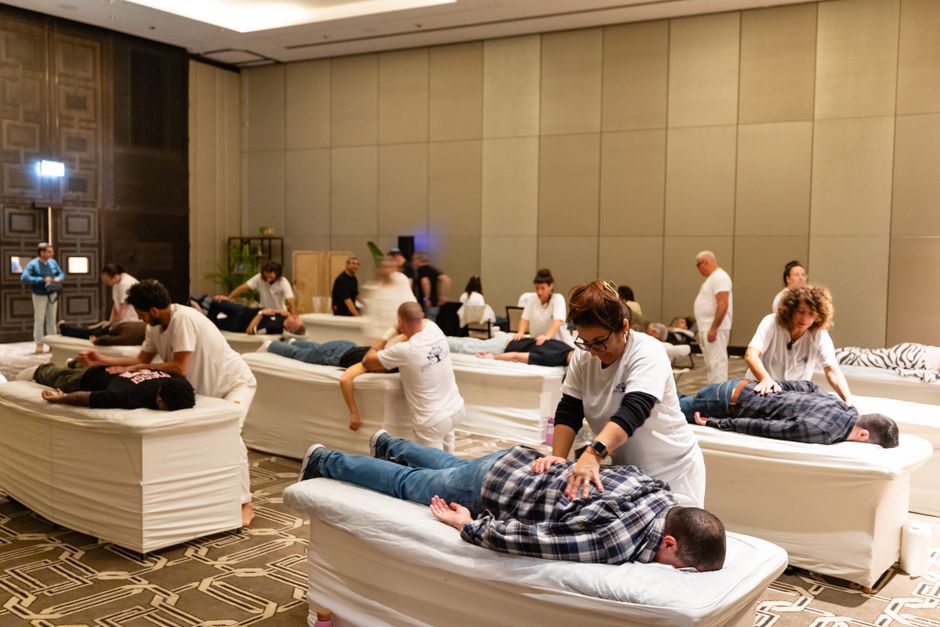
The landscape of wellness and healthcare continues to evolve as more individuals seek complementary approaches to support their well-being. Alternative health modalities encompass a diverse range of practices that work alongside conventional medicine, focusing on the body’s innate capacity for balance and healing. As we navigate 2026, these approaches have become increasingly sophisticated, integrating advanced technology with time-honored wellness principles to create personalized solutions for modern health challenges.
Understanding Alternative Health Approaches
Alternative health modalities represent therapeutic practices that differ from conventional medical treatments, often addressing the whole person rather than isolated symptoms. These approaches recognize that physical, emotional, mental, and energetic aspects of health are interconnected and interdependent. From ancient healing traditions to cutting-edge bioelectric technologies, alternative modalities share a common foundation: supporting the body’s natural regulatory systems to achieve optimal wellness.

The field has expanded significantly in recent years, with emerging technologies enabling more precise and personalized interventions. Bioelectric wellness platforms now utilize artificial intelligence to analyze individual needs and deliver adaptive protocols that prevent the cellular adaptation often seen with static therapeutic approaches. This represents a significant advancement over traditional one-size-fits-all wellness programs.
Many individuals turn to alternative modalities when conventional approaches have not fully addressed their concerns, or when seeking to optimize their health beyond the absence of disease. The integration of frequency-based therapies, breathwork practices, and biofeedback technologies has created new possibilities for those committed to proactive health management.
Frequency and Bioelectric Wellness
At the forefront of alternative health innovation stands frequency-based healing, which recognizes that every cell, tissue, and organ in the human body operates at specific electromagnetic frequencies. When these natural frequencies become disrupted through stress, environmental factors, or lifestyle challenges, imbalances may emerge. Frequency healing modalities work by introducing supportive electromagnetic signals that help restore the body’s natural electrical harmony.
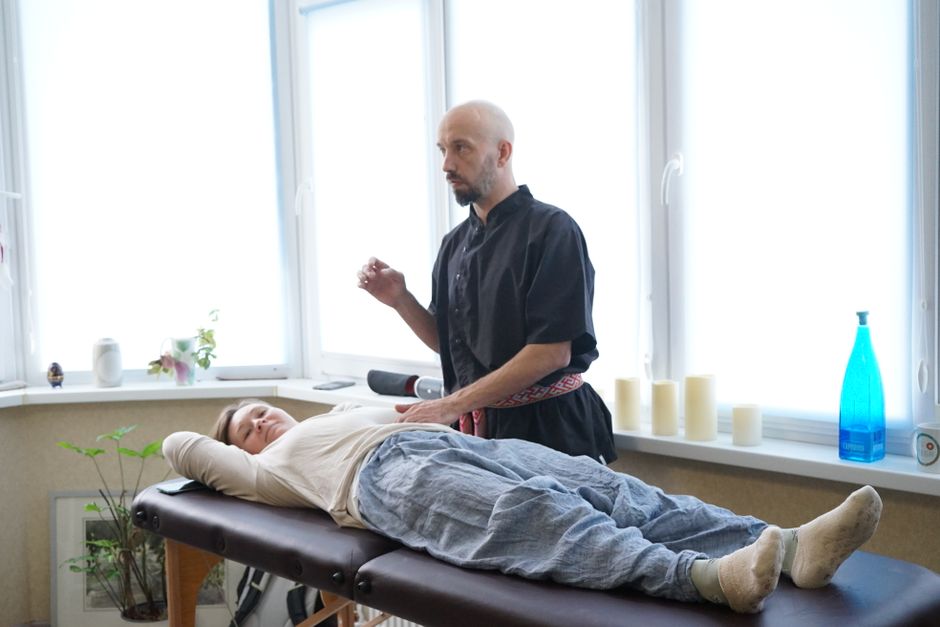
Modern bioelectric wellness platforms have evolved far beyond simple static frequency generators. Advanced systems now offer thousands of dynamic programs that continuously adapt to prevent cellular habituation—a phenomenon where cells become less responsive to repetitive stimuli. This adaptive approach ensures sustained effectiveness over time, addressing one of the primary limitations of earlier frequency technologies.
PeMF Healing LLC’s Frequency Healing platform exemplifies this evolution, featuring over 16,000 BioPhi programs and more than 1.8 million frequencies. The system employs AI-guided protocols that analyze individual responses and adjust delivery accordingly. Voice scanning technology provides real-time biofeedback, while integrated breathwork and sacred soundscapes create a comprehensive wellness experience that addresses multiple dimensions of health simultaneously.
The beauty of advanced frequency healing lies in its non-invasive nature and its capacity for precise customization. Rather than relying on pharmaceuticals or invasive procedures, these technologies work with the body’s existing bioelectric infrastructure, supporting natural regulatory processes without introducing foreign substances.
Mind-Body Integration Practices
The connection between mental states and physical health has moved from alternative theory to mainstream recognition. Mind-body practices form a cornerstone of holistic wellness, encompassing meditation, breathwork, visualization, and somatic awareness techniques. These modalities activate the parasympathetic nervous system, countering the chronic stress response that underlies many modern health challenges.

Breathwork has emerged as a particularly powerful tool for self-regulation. Controlled breathing patterns influence heart rate variability, blood pressure, nervous system balance, and even gene expression. When integrated with frequency healing technologies, breathwork creates synergistic effects that amplify the benefits of both practices. The combination helps individuals achieve deeper states of coherence—a physiological state where multiple body systems operate in harmonious synchronization.
Quality sleep represents another critical component of mind-body wellness. According to the Sleep Foundation, consistent sleep patterns and adequate rest duration are foundational to immune function, cognitive performance, and emotional regulation. Many alternative health practitioners emphasize sleep hygiene as a non-negotiable element of any comprehensive wellness protocol.
Meditation and mindfulness practices complement these approaches by training attention and awareness. Regular practice has been associated with structural changes in brain regions involved in emotional regulation, self-awareness, and stress resilience. When combined with bioelectric support systems, these practices can help individuals achieve states of deep relaxation and mental clarity more readily.
Movement and Physical Optimization
Physical activity remains essential to holistic health, though alternative approaches often emphasize mindful movement over pure athletic performance. Practices like yoga, tai chi, and qigong integrate physical postures with breath control and mental focus, creating multidimensional wellness benefits that extend beyond cardiovascular fitness or muscle development.
The CDC physical activity guidelines provide evidence-based recommendations for movement, suggesting that adults engage in both aerobic and strength-building activities throughout the week. Alternative health practitioners typically embrace these recommendations while adding emphasis on movement quality, body awareness, and the therapeutic aspects of physical practice.
Gentle, restorative movement modalities have gained particular attention for individuals dealing with chronic conditions or recovery challenges. These approaches prioritize sustainable practices that support long-term wellness rather than short-term performance gains. The integration of frequency healing with movement practices can enhance recovery, support tissue repair, and optimize the body’s adaptive response to physical stress.
The NHS exercise guidance emphasizes that any movement is better than none, acknowledging that wellness journeys are highly individual. This perspective aligns with alternative health philosophy, which honors bio-individuality and encourages each person to discover the practices that resonate with their unique constitution and circumstances.
Nutrition and Energy Medicine
Alternative health modalities recognize that food serves as more than fuel—it provides information to cells and influences gene expression, inflammation, and metabolic function. Nutritional approaches within alternative medicine often focus on whole foods, nutrient density, and the elimination of processed ingredients that may disrupt natural physiological processes.
Energy medicine perspectives extend beyond biochemical nutrition to consider the energetic properties of foods and their resonance with individual constitutions. While this concept may seem abstract, it reflects the understanding that all matter, including food, emits electromagnetic signatures that interact with the body’s bioelectric field.
Hydration represents another frequently overlooked element of wellness. Proper fluid intake supports every cellular process, from nutrient transport to waste elimination. Many frequency healing protocols emphasize adequate hydration to optimize the body’s conductivity and responsiveness to bioelectric signals.
Supplementation may play a role in addressing specific deficiencies or supporting particular wellness goals, though alternative practitioners generally prioritize food-based nutrition when possible. The key lies in personalization—identifying individual needs rather than following generic protocols.
The Future of Personalized Wellness
As we progress through 2026, alternative health modalities continue to evolve through the integration of artificial intelligence, biofeedback technologies, and increasingly sophisticated delivery systems. The shift from static, one-size-fits-all approaches to dynamic, adaptive protocols represents a fundamental advancement in how we support human health and potential.
Voice analysis, heart rate variability monitoring, and other biometric technologies now enable real-time assessment of physiological states, allowing wellness platforms to adjust interventions moment by moment. This level of responsiveness was unimaginable just a few years ago, yet it has become the new standard for those seeking cutting-edge wellness solutions.
The democratization of advanced wellness technologies means that sophisticated protocols once available only in specialized clinics can now be accessed from home. This accessibility empowers individuals to take greater responsibility for their health while maintaining the guidance and structure that effective wellness programs require.
Importantly, the future of alternative health lies not in opposition to conventional medicine but in thoughtful integration. The most effective health strategies combine the strengths of multiple approaches, using conventional diagnostics and acute interventions when appropriate while leveraging alternative modalities for optimization, prevention, and chronic condition management.
Conclusion
Alternative health modalities offer powerful tools for individuals seeking to optimize their wellness, address chronic challenges, and unlock their full potential. The integration of ancient wisdom with modern technology has created unprecedented opportunities for personalized, adaptive healing protocols that respect the body’s innate intelligence. As bioelectric wellness platforms continue to advance, incorporating AI guidance, extensive frequency libraries, and multidimensional support systems, the boundary between alternative and mainstream continues to blur. The key to success lies in approaching these modalities with both openness and discernment, recognizing that true wellness emerges from consistent practice, personalized protocols, and a holistic perspective that honors the interconnected nature of human health.