
Personal Development Wellness Tools for 2026
Personal development has always been about becoming more capable, more focused, and more resilient. In 2026, the tools that support that growth have expanded well beyond journals and habit trackers. A new category of bioelectric and frequency-based wellness technology now sits alongside meditation apps, breathwork programs, and physical training plans. These tools work at the level of the body’s own electrical signaling, and they are increasingly used by people who want a measurable, personalized foundation for mental clarity, emotional balance, and sustained energy.
This guide covers the full landscape of personal development wellness tools available today: the foundational habits that research supports, the emerging science of bioelectric balance, the problem of cellular adaptation to static frequencies, and how adaptive platforms such as PeMF Healing LLC’s Frequency Healing system fit into a modern self-development practice.
The Foundations: Habits That Still Matter Most
No advanced tool replaces the basics. Before layering in resonance technology, it helps to secure the physiological baseline that makes any personal development work effective.

- Sleep. Cognitive performance, emotional regulation, and stress tolerance all depend on consistent, quality sleep. The Sleep Foundation provides current guidance on sleep hygiene, timing, and environment that remains the single highest-leverage wellness habit.
- Physical activity. Movement supports mood, memory, and metabolic health. The CDC physical activity guidelines outline the weekly targets for aerobic and strength work, while the NHS exercise guidance offers practical ways to build activity into a busy schedule.
- Breathwork. Deliberate breathing practices are now standard in personal development toolkits. Slow, controlled breathing supports the nervous system and creates a reliable bridge between body and mind.
- Reflection and intention. Journaling, goal review, and structured self-inquiry remain essential for turning experience into growth.
These foundations create the conditions in which more advanced tools can work. A bioelectric platform cannot compensate for chronic sleep deprivation, but it can complement a well-built routine.
What Are Bioelectric Wellness Tools?
Bioelectric wellness tools are devices and platforms that interact with the body’s natural electrical activity. Every cell maintains a membrane potential, and communication throughout the nervous system, muscles, and organs depends on electrical signaling. Frequency therapy, also called resonance therapy, uses specific frequencies—often delivered as sound, vibration, or electromagnetic signals—to support the body’s own electrical balance.

In 2026, this category has matured considerably. Early devices offered a small fixed library of frequencies, often delivered through a single modality. Today’s platforms combine audio, breathwork guidance, AI-driven personalization, and large frequency libraries. The goal is no longer simply “playing a frequency” but creating an adaptive, individualized resonance experience.
For personal development, the appeal is practical. Users report using these tools to support relaxation before sleep, focus during deep work, recovery after training, and emotional reset during stressful periods. They are typically positioned as wellness support rather than medical treatment, and they work best as part of a broader routine.
The Adaptation Problem: Why Static Frequencies Fall Short
The most important technical issue in frequency therapy is cellular adaptation. The body is highly adaptive: when exposed to a repeated, unchanging stimulus, cells and neural circuits adjust their response. This is the same principle behind habituation in other areas of wellness—the same workout stops producing results, the same meditation can become stale, and the same frequency program may lose its effect over time.
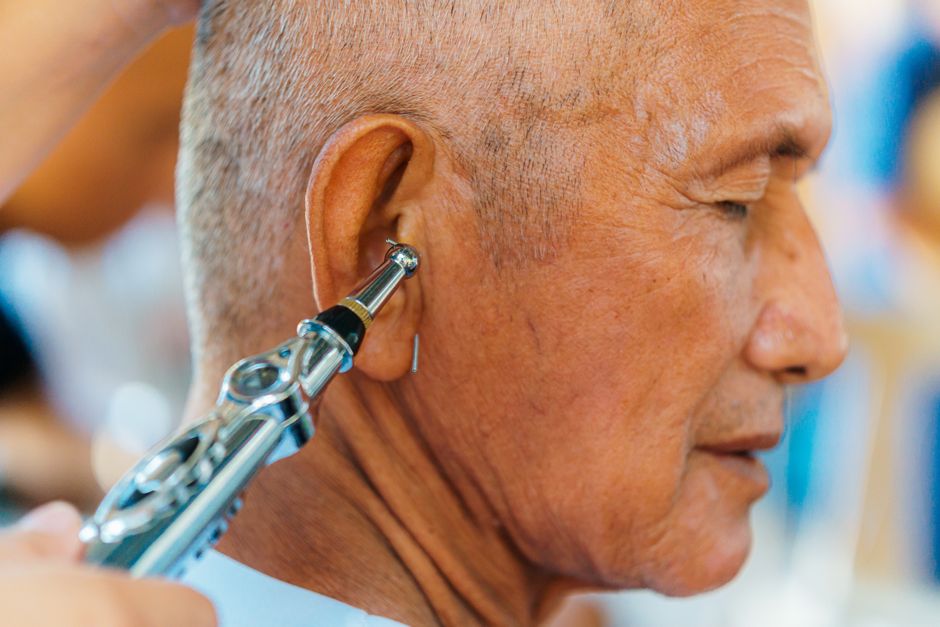
Static frequency libraries, common in older devices, present exactly this problem. A user selects a program, repeats it daily, and the body gradually normalizes to the signal. The result is diminishing returns and frustration.
Modern adaptive platforms address this by varying the delivered frequencies, sequences, and combinations over time. Instead of a single tone repeated indefinitely, dynamic programs shift parameters to prevent habituation. This is the core design principle behind PeMF Healing LLC’s platform, which offers over 16,000 dynamic BioPhi programs drawn from a library of more than 1.8 million frequencies. The scale of the library matters because it allows for constant variation, and the dynamic structure matters because it works against the adaptation that limits static devices.
Adaptation is not a flaw in the body—it is a feature. Effective wellness technology works with it rather than ignoring it.
How an Adaptive Bioelectric Platform Works
An advanced platform typically combines several layers. Understanding these layers helps users evaluate what they are buying and how to integrate it into a personal development practice.
1. AI Guidance and Personalization
AI guidance matches programs to a user’s goals, current state, and history. Rather than scrolling through thousands of options, users receive recommendations that reflect what they are trying to achieve—better sleep, calmer focus, recovery, or emotional balance. Over time, the system can adjust based on usage patterns.
2. Voice Scanning
Voice scanning is one of the more distinctive features of current platforms. By analyzing vocal characteristics, the system can suggest programs aligned with the user’s present condition. It is a fast, non-invasive way to personalize sessions and adds a feedback loop that static devices lack.
3. Breathwork Integration
Breathwork and frequency delivery reinforce each other. Guided breathing keeps the user present and engaged during a session, while the frequency layer supports the overall experience. Combining the two turns a passive listening session into an active practice.
4. Sacred Soundscapes
Soundscapes designed with intention create an environment conducive to relaxation and introspection. For personal development, this matters: a calm, focused state is when reflection, intention-setting, and emotional processing are most effective.
5. Dynamic Frequency Delivery
The final layer is the dynamic delivery itself. Programs shift over the course of a session and across sessions, supporting natural electrical balance without the habituation that undermines static approaches.
Building a Personal Development Routine Around Wellness Tools
Tools deliver value only when they are used consistently and intentionally. A simple structure works well:
- Morning: intention and activation. Start with a short breathwork session and a program oriented toward focus or energy. Pair it with a brief review of the day’s priorities.
- Midday: reset. A short session during a work break supports stress management and helps prevent the afternoon slump.
- Evening: wind-down. Use calming soundscapes and a relaxation-oriented program to transition out of work mode. Combined with good sleep hygiene, this supports recovery.
- Weekly: review. Reflect on what worked, adjust program selections, and set intentions for the coming week. Use the platform’s personalization features to explore new programs rather than repeating the same one indefinitely.
This structure respects the adaptation principle: variety is built into the routine rather than left to chance. It also keeps the tool connected to the broader goals of personal development—clarity, resilience, and consistent growth—rather than becoming an isolated gadget.
Choosing the Right Tool for You
When evaluating bioelectric and frequency-based wellness tools in 2026, consider these criteria:
- Library size and variety. A large, varied frequency library supports dynamic programming and reduces the risk of habituation.
- Adaptive design. Look for platforms that change programs over time rather than offering only static presets.
- Personalization. AI guidance and voice scanning make it easier to find programs suited to your goals.
- Complementary modalities. Breathwork and soundscapes turn a device into a practice.
- Realistic positioning. Choose tools that present themselves as wellness support, not medical treatment, and use them alongside proven basics such as sleep and exercise.
For individuals drawn to holistic wellness, frequency therapy, and alternative health, an adaptive platform such as PeMF Healing LLC’s Frequency Healing system represents the current state of the art: a large dynamic library, AI guidance, voice scanning, breathwork, and sacred soundscapes combined into a single personalized experience.
Conclusion
Personal development in 2026 is a layered practice. Sleep, movement, breathwork, and reflection remain the foundation, and no technology replaces them. What has changed is the availability of tools that work at the level of the body’s electrical signaling—and that are designed to adapt rather than repeat. By understanding cellular adaptation and choosing platforms built around dynamic, personalized programs, you can add a genuinely useful layer to your routine. Used intentionally and consistently, these tools support the clarity, balance, and resilience that personal development ultimately aims to build.