

Sound Therapy for Relaxation in 2026
In our increasingly fast-paced world, the quest for effective relaxation techniques has led millions to explore the ancient practice of sound therapy. As we navigate through 2026, this therapeutic modality has evolved far beyond simple music listening, integrating cutting-edge technology with time-honored acoustic healing principles to offer profound relaxation and wellness benefits.
Sound therapy for relaxation leverages the fundamental principle that everything in the universe vibrates at specific frequencies, including our cells, organs, and tissues. When we’re stressed or unwell, these frequencies become imbalanced. Therapeutic sound works to restore harmony by introducing specific acoustic patterns that encourage the body’s natural electrical balance and promote deep relaxation states.
The Science Behind Sound-Based Relaxation
Modern research has validated what practitioners have known for centuries: sound profoundly affects our nervous system, brainwave patterns, and cellular function. When we experience therapeutic sound frequencies, our brainwaves naturally synchronize with the rhythmic patterns, a phenomenon called entrainment. This process shifts our consciousness from active beta waves associated with stress and anxiety into more relaxed alpha and theta states.
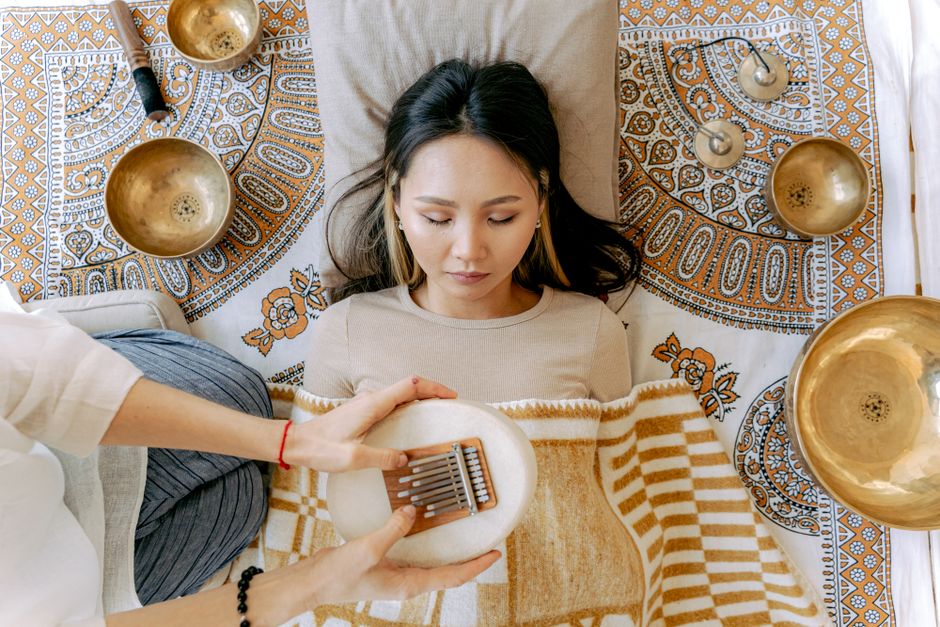
The mechanism extends beyond the brain. Sound vibrations travel through our body’s tissues, creating subtle mechanical movements that influence cellular behavior. These acoustic waves can affect ion channels, membrane potentials, and cellular communication pathways, supporting the body’s natural healing processes and promoting profound relaxation at the cellular level.
According to Sleep Foundation research, sound therapy has shown promising results in improving sleep quality, a critical component of overall relaxation and wellness. When combined with proper sleep hygiene and stress management techniques, acoustic therapy can significantly enhance our ability to achieve restorative rest.
Traditional Sound Therapy Approaches
Throughout history, cultures worldwide have utilized sound for healing and relaxation. Tibetan singing bowls, aboriginal didgeridoos, shamanic drumming, and vocal toning have all served as vehicles for inducing altered states of consciousness and deep relaxation. These traditional methods remain relevant in 2026, offering time-tested pathways to tranquility.
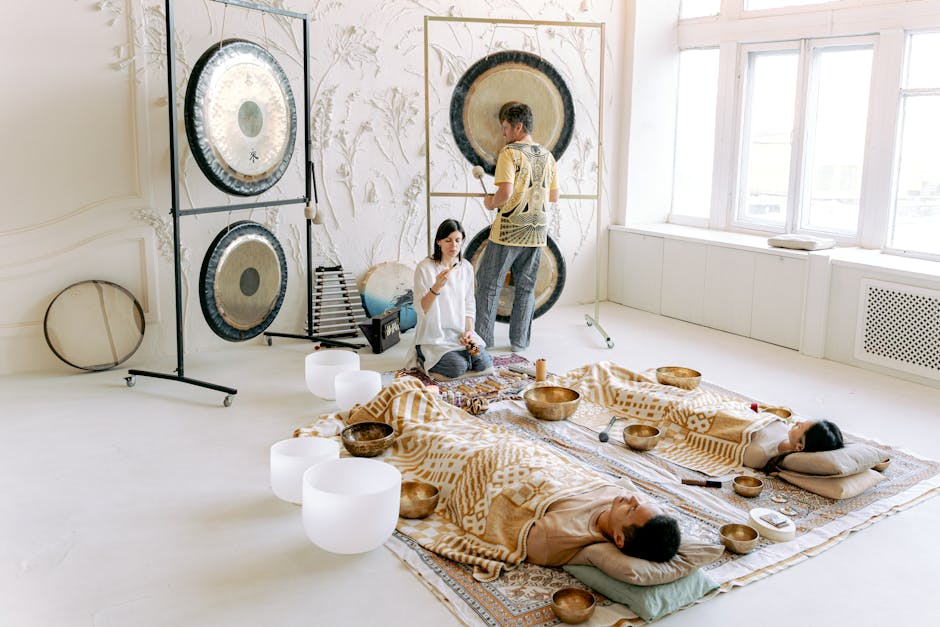
Singing bowls produce rich, harmonic overtones that create a sound bath effect, washing over the listener and inducing profound calm. The sustained tones encourage the mind to release obsessive thought patterns and enter meditative states naturally. Many practitioners combine these ancient instruments with modern understanding of specific frequency ranges to target particular wellness goals.
Gong therapy represents another powerful traditional approach, using the complex, layered vibrations of large gongs to create an immersive sonic experience. The unpredictable nature of gong harmonics helps interrupt habitual mental patterns, allowing deep relaxation to emerge organically rather than through forceful concentration.
Advanced Frequency-Based Solutions
The evolution of sound therapy has accelerated dramatically with technological advancement. Modern platforms now offer sophisticated bioelectric wellness solutions that transcend traditional limitations. Unlike static frequency generators that the body can adapt to over time, advanced systems in 2026 utilize dynamic, adaptive frequency programs that continuously evolve.

These cutting-edge approaches integrate artificial intelligence to personalize frequency selections based on individual needs and responses. Voice scanning technology can assess energetic imbalances through vocal pattern analysis, while comprehensive frequency libraries provide access to thousands of specialized programs targeting specific relaxation objectives.
The integration of sacred soundscapes with precise frequency delivery creates multidimensional relaxation experiences. These systems don’t simply play frequencies; they orchestrate complex acoustic environments that support the body’s natural electrical patterns while preventing cellular adaptation that can reduce effectiveness over time.
Breathwork synchronization represents another innovation, where sound patterns coordinate with respiratory rhythms to deepen relaxation effects. This integration acknowledges that breath serves as a bridge between conscious and unconscious nervous system functions, and when harmonized with therapeutic sound, amplifies relaxation potential exponentially.
Practical Applications for Daily Life
Incorporating sound therapy into daily routines requires minimal equipment but yields substantial benefits. Morning sessions using uplifting frequencies can replace jarring alarm clocks, allowing gentle awakening that preserves relaxation accumulated during sleep. Mid-day stress breaks with targeted acoustic programs provide reset opportunities without requiring extended time commitments.
Evening wind-down protocols using progressively slower frequencies prepare the nervous system for sleep by gradually shifting brainwave patterns toward delta states. This approach proves particularly effective for those struggling with racing thoughts or difficulty transitioning from active to restful modes.
Workplace integration has gained traction in 2026, with forward-thinking organizations recognizing that employee wellness directly impacts productivity and creativity. Designated quiet rooms equipped with sound therapy systems provide refuge from stimulating environments, allowing brief but powerful relaxation sessions that restore focus and emotional balance.
Combining sound therapy with physical movement enhances both practices. CDC physical activity guidance emphasizes regular movement for overall health, and when paired with appropriate frequency support, exercise becomes more meditative and restorative. Similarly, NHS exercise guidance supports integrative approaches that address both physical and mental wellness dimensions.
Selecting the Right Approach for Your Needs
Choosing appropriate sound therapy methods depends on individual goals, preferences, and lifestyle constraints. Those seeking simple solutions might begin with recorded nature sounds or basic frequency tracks, while others desiring comprehensive support benefit from sophisticated bioelectric platforms offering extensive program libraries and personalization features.
Consider your primary relaxation challenges. Anxiety-related tension responds well to grounding frequencies in lower ranges, typically between 40-80 Hz, which promote physical relaxation and mental stability. Sleep difficulties often improve with progressive frequency sequences that guide consciousness through transitional states. Mental overwhelm benefits from complex harmonic structures that occupy analytical mind processes, creating space for natural calm to emerge.
Technology comfort level matters. Some individuals prefer passive listening experiences requiring no interaction, while others appreciate guided programs with AI assistance that adapts recommendations based on usage patterns and feedback. The key lies in consistency rather than complexity—regular practice with simpler methods typically produces better results than sporadic use of advanced systems.
Quality considerations extend beyond equipment to encompass your listening environment. Headphones provide intimate, immersive experiences ideal for deep personal work, while speakers create ambient fields suitable for group sessions or environmental enhancement. Both approaches offer distinct advantages depending on context and intention.
Maximizing Long-Term Benefits
Sustainable sound therapy practice requires understanding that relaxation represents a skill developed over time rather than an immediate product. Initial sessions might feel subtle or even challenging for those unaccustomed to quiet introspection. Persistence yields cumulative benefits as the nervous system learns to respond more readily to acoustic cues.
Tracking progress helps maintain motivation and refine approach. Notice changes in stress reactivity, sleep quality, emotional resilience, and overall vitality. These indicators provide valuable feedback about which frequencies and methods produce optimal results for your unique constitution.
Variation prevents adaptation and maintains engagement. Rotating between different frequency ranges, sound textures, and session lengths keeps the practice fresh while challenging the body to develop broader relaxation capacities. Advanced platforms with extensive program libraries excel in providing this essential diversity without requiring manual selection or research.
Integration with other wellness practices amplifies effects synergistically. Meditation, yoga, proper nutrition, and healthy sleep habits create foundations that sound therapy enhances rather than replaces. Viewing acoustic relaxation as one component within a comprehensive wellness lifestyle yields far more powerful results than isolated application.
Conclusion
Sound therapy for relaxation has matured into a sophisticated wellness modality backed by scientific understanding and enhanced by technological innovation. As we continue through 2026, the convergence of ancient wisdom and modern frequency technology offers unprecedented opportunities for stress relief, nervous system regulation, and profound relaxation. Whether through traditional instruments or advanced bioelectric platforms with adaptive AI guidance and extensive frequency libraries, sound therapy provides accessible, effective pathways to the deep relaxation our bodies inherently require. By understanding the mechanisms, exploring various approaches, and maintaining consistent practice, individuals can harness therapeutic sound to transform their relationship with stress and cultivate lasting tranquility in daily life.