

Energy Healing Techniques: a 2026 Guide
Energy healing has moved a long way from the purely anecdotal. In 2026, a growing body of research into bioelectric medicine, vagal tone, and frequency-based therapies has turned what was once considered fringe into a serious area of holistic wellness. For anyone curious about how these techniques actually work — and which ones are worth your time — this guide breaks down the major approaches, the science that informs them, and how to build a practice that fits your life.
What Energy Healing Actually Is
At its core, energy healing describes a family of practices that aim to support the body’s own electrical and regulatory systems. Every cell in your body maintains a small electrical charge across its membrane. Your heart generates a measurable electromagnetic field. Your nervous system communicates through electrochemical signals. When those systems fall out of balance — through stress, poor sleep, illness, or chronic inflammation — the effects show up in how you feel.

Energy healing techniques work on the premise that you can influence these systems through targeted input: breath, sound, light, touch, intention, or pulsed frequencies. Some methods, like acupuncture and acupressure, have thousands of years of tradition behind them. Others, like bioelectric frequency platforms, are products of modern technology. What unites them is a focus on restoring balance rather than suppressing symptoms.
It is worth being clear: energy healing is best understood as a complement to conventional care, not a replacement for it. If you have a medical condition, keep working with your physician. Use these techniques to support your overall wellbeing.
The Major Energy Healing Techniques
Breathwork
Breathwork is the most accessible entry point into energy healing, and arguably the most immediately effective. Techniques like box breathing, coherent breathing (roughly six breaths per minute), and alternate nostril breathing directly influence your autonomic nervous system. Slow, deliberate breathing stimulates the vagus nerve, shifting you from a sympathetic (fight-or-flight) state into a parasympathetic (rest-and-repair) state.

The practical benefits are well documented: lower heart rate, reduced cortisol, improved focus, and better emotional regulation. You can practice breathwork anywhere, in five minutes, with no equipment. For that reason, it forms the foundation of most energy healing programs — including advanced ones.
Sound and Frequency Therapy
Sound healing uses vibration to influence the body. This includes singing bowls, tuning forks, gongs, binaural beats, and — increasingly — precisely calibrated frequency programs delivered through digital platforms. The premise is that specific frequencies resonate with different tissues, brainwave states, or energetic centers.
Solfeggio frequencies, for example, have become widely popular, with each tone associated with particular intentions (528 Hz for transformation, 432 Hz for calm, and so on). While research into specific frequency claims is still developing, studies on music therapy, vibroacoustic therapy, and binaural beats consistently show measurable effects on stress, pain perception, and mood.
Where frequency therapy has advanced dramatically is in its adaptability. Static frequencies played on repeat eventually produce diminishing returns, because cells habituate to any unchanging signal. This phenomenon — cellular adaptation — is why the most advanced platforms now use dynamic, shifting frequency sets rather than a single fixed tone. Systems like those offered by PeMF Healing LLC, Frequency Healing combine over 16,000 BioPhi programs and 1.8 million frequencies with AI guidance, voice scanning, and sacred soundscapes specifically to overcome that adaptation problem.
Reiki and Hands-On Healing
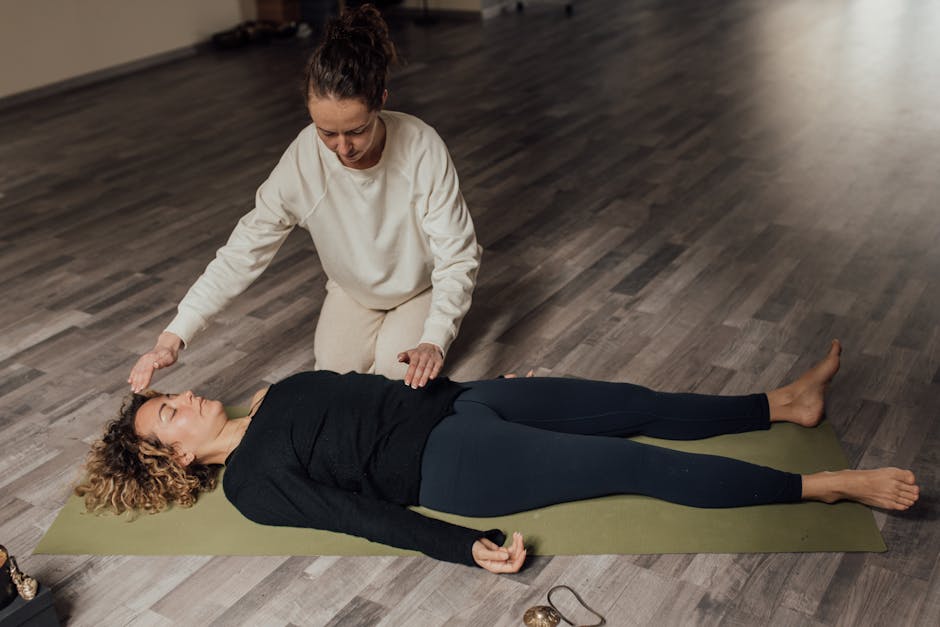
Reiki originated in Japan and involves a practitioner channeling universal life energy through gentle touch or hovering hands. Healing Touch and Therapeutic Touch are similar Western approaches. These methods are deeply relaxing and often reported to reduce anxiety, ease pain, and improve sleep quality.
From a physiological standpoint, the benefits likely come from several overlapping mechanisms: the relaxation response, the therapeutic value of human contact, and the placebo effect — which is itself a genuine neurological phenomenon, not a dismissal. For many people, a Reiki session is the most restorative hour of their month.
Acupuncture and Acupressure
Traditional Chinese Medicine holds that energy (qi) flows along meridians, and that illness arises when that flow is blocked. Acupuncture inserts fine needles at specific points to restore flow; acupressure applies pressure to the same points without needles.
Acupuncture has accumulated meaningful clinical evidence for certain applications, particularly chronic pain, tension headaches, and chemotherapy-induced nausea. Acupressure is a practical at-home alternative — pressing the point between your thumb and index finger (LI4) for tension headaches is a well-known example.
PEMF and Bioelectric Frequency Therapy
Pulsed electromagnetic field therapy uses electromagnetic fields to support cellular function. Originally developed for bone healing and now widely used in sports recovery and chronic pain management, PEMF works by delivering low-frequency pulses that may enhance cellular repair, circulation, and mitochondrial activity.
Modern bioelectric wellness platforms expand this concept considerably, layering in AI-driven personalization, breathwork guidance, and voice-based biofeedback. The goal is to nudge the body’s electrical environment toward balance using signals it can actually respond to — and to keep changing those signals so the body does not tune them out.
Why Personalization Matters
The single biggest mistake people make with energy healing is treating it as one-size-fits-all. Your nervous system, stress load, sleep quality, and health history are unique. A frequency that calms one person may agitate another.
This is where 2026 technology has changed the game. Voice scanning can assess vocal biomarkers associated with stress and autonomic state. AI guidance can adjust a session in real time based on how your body is responding. Breathwork pacing can be synchronized with frequency delivery. Rather than guessing, you get feedback loops.
The principle of dynamic adaptation also matters over the long term. If you use the same frequency protocol every day for months, your cells adapt and the response flattens. Rotating programs, varying frequencies, and adjusting intensity keeps the system responsive — the same way progressive overload keeps physical training effective.
How to Build an Energy Healing Practice
You do not need to overhaul your life. Start small and layer in techniques over time.
- Begin with breathwork. Five to ten minutes of coherent breathing each morning costs nothing and delivers immediate returns. Our guide to breathwork for stress relief walks through the most effective patterns.
- Add sound or frequency sessions. Even fifteen minutes of a calibrated frequency program can shift your state. Pair it with breathwork for compounding effects.
- Schedule hands-on work. A monthly Reiki, acupuncture, or bodywork session provides deep reset and is worth budgeting for.
- Use acupressure as needed. Learn three or four points for headaches, anxiety, and sleep, and use them in the moment.
- Track your response. Note sleep quality, mood, and energy. Patterns emerge within a few weeks and tell you what genuinely works for you.
Pair your practice with the fundamentals. Energy healing amplifies a healthy foundation but cannot replace it. Aim for the physical activity levels recommended by the CDC physical activity guidelines — 150 minutes of moderate movement per week plus two strength sessions. If you prefer a UK-based framework, the NHS exercise guidance offers a clear, practical breakdown. And protect your sleep, because no frequency protocol outperforms genuine rest — the Sleep Foundation is an excellent resource for getting that right.
What to Expect — and What to Avoid
Realistic expectations matter. Most people notice subtle shifts first: falling asleep faster, feeling calmer after sessions, or reduced tension in the shoulders and jaw. More significant changes — improved chronic pain, better mood stability — typically build over weeks to months of consistent practice.
Be skeptical of anyone promising instant cures for serious disease. Energy healing is a wellness practice. It supports your body’s own capacities. It does not replace diagnosis, medication, or medical treatment. If a practitioner discourages you from seeing a doctor, walk away.
Also be wary of static, unbranded frequency playlists marketed as universal solutions. Quality matters. Platforms that invest in personalization, adaptability, and genuine biofeedback — like the approaches covered in our guide to natural electrical body balance — give you far more to work with than a generic YouTube loop.
Conclusion
Energy healing in 2026 is a broad, evolving field — from ancient practices like acupuncture and Reiki to AI-guided bioelectric platforms delivering millions of dynamic frequencies. The techniques that work best are the ones you actually use consistently, and the ones tailored to your unique biology rather than a generic template.
Start with your breath. Add sound and frequency work. Layer in hands-on sessions when you can. Track how you respond, and adjust. Whether you gravitate toward traditional methods, modern bioelectric technology, or both, the goal is the same: supporting your body’s natural electrical balance so you can feel more like yourself.