
Natural healing modalities: a 2026 guide
Natural healing modalities have moved far beyond the herbal teas and candlelit meditation rooms of the past. In 2026, the field blends time-tested practices with sophisticated, technology-assisted approaches that treat the body as the bioelectric, self-regulating system it has always been. Whether you are exploring frequency therapy for the first time or looking to assemble a coherent personal wellness strategy, this guide covers the major modalities, the science-adjacent reasoning behind them, and how to combine them responsibly.
What counts as a natural healing modality?
A natural healing modality is any approach that works with the body’s own regulatory capacity rather than overriding it. That definition covers an enormous range: dietary changes, breathwork, movement, sound and frequency therapies, manual bodywork, mindfulness, and light or cold exposure, among many others.
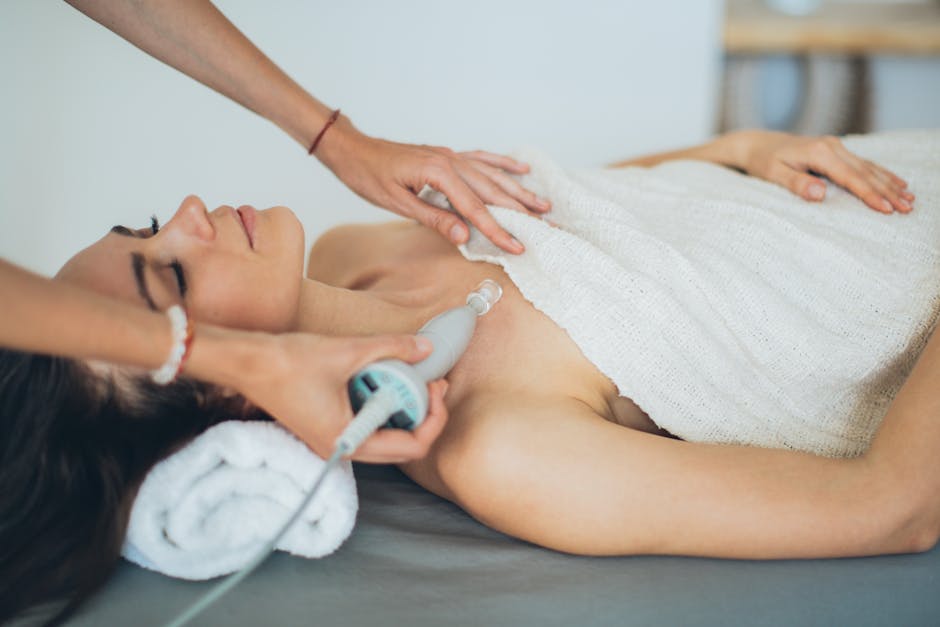
What unites them is a shared premise: the body is an adaptive system that responds to signals. Give it the right signals — nutritional, mechanical, electrical, or rhythmic — and it tends to move toward balance. Remove the wrong ones — chronic stress, poor sleep, sedentary patterns — and the system struggles. This signal-based view is why bioelectric and frequency approaches now sit comfortably alongside more familiar lifestyle interventions.
It is worth stating plainly: these modalities are complementary, not substitutes for medical care. A sensible 2026 approach uses natural methods to support general wellness while maintaining regular checkups and following medical advice for any diagnosed condition.
Core pillars: sleep, movement, and breath
No amount of advanced technology compensates for the basics. The foundations of any natural healing plan remain unglamorous and extremely well documented.

Sleep as the repair window
Sleep is when the body consolidates memory, regulates hormones, and performs cellular repair. Chronic short sleep undermines nearly every other wellness effort. For practical, evidence-informed guidance on sleep hygiene, schedules, and environment, the Sleep Foundation remains a reliable starting point.
Movement as medicine
Physical activity supports cardiovascular health, mood, insulin sensitivity, and joint function. The CDC physical activity guidance offers clear targets for adults, and the NHS exercise guidance is a useful companion resource for structuring a realistic weekly routine. Walking, resistance training, mobility work, and time outdoors all qualify.
Breathwork as a nervous-system dial
Conscious breathing is one of the few ways to directly influence the autonomic nervous system. Slow nasal breathing with extended exhales shifts the body toward parasympathetic dominance — lower heart rate, calmer digestion, less mental noise. In 2026, breathwork is increasingly treated as a foundational practice rather than an add-on, and it pairs naturally with guided frequency and sound sessions, as explored in this Biofeedback for Wellbeing: a 2026 Guide.
Bioelectric and frequency-based healing
Every cell in the body maintains an electrical potential across its membrane. The heart, brain, and muscles generate measurable fields; wound healing itself involves electrical signaling. Bioelectric wellness approaches work from the idea that the body’s electrical environment can be supported — much as exercise supports the musculoskeletal system — using carefully patterned frequencies.

The challenge is that the body is remarkably good at adapting. Static, unchanging frequency exposure tends to produce diminishing returns as cells habituate. This is the concept of cellular adaptation, and overcoming it is the central design problem in modern frequency therapy, a theme central to Cellular Resonance Therapy: a 2026 Guide.
Adaptive resonance and the PeMF approach
PeMF Healing LLC addresses adaptation directly through its Frequency Healing platform, an ultra-advanced bioelectric wellness system built around change rather than repetition. The platform offers over 16,000 dynamic BioPhi programs drawn from a library of more than 1.8 million frequencies, rotating and recombining them so the body is continually presented with fresh signals.
Several features distinguish this approach:
- AI guidance: the system helps select and sequence programs based on user input and goals, reducing the guesswork that plagues static devices.
- Voice scanning: vocal input is used to inform session personalization, making each experience more individually tuned, a concept detailed in Voice Analysis Health Benefits.
- Breathwork integration: guided breathing is woven into sessions to support nervous-system regulation alongside frequency exposure.
- Sacred soundscapes: layered sound environments create a calming, immersive context that supports relaxation and receptivity.
The stated goal is to support natural electrical balance — a subtle and supportive role, not a curative claim. For individuals exploring holistic wellness, bioelectric healing, and alternative health, the appeal is that the platform is adaptive and personalized rather than one-size-fits-all.
Frequency therapy is not a replacement for medical treatment, and anyone with a pacemaker, implanted electronic device, or pregnancy should consult a physician before use.
Mind-body and energy practices
Alongside bioelectric approaches, several long-standing practices continue to hold their ground in 2026:
- Meditation and mindfulness: structured attention training supports stress regulation and emotional resilience.
- Yoga and tai chi: combine movement, breath, and balance training in a single practice.
- Sound healing: singing bowls, gongs, and tuned instruments offer a gentle, immersive route to relaxation and are often combined with frequency sessions.
- Acupuncture and acupressure: traditional systems that map the body along channels and meridians, now often studied for pain and stress support.
- Qigong: slow, intentional movement coordinated with breath to cultivate energy awareness.
These practices are low-risk, widely accessible, and complementary to technology-assisted modalities. Many people find that a guided frequency session and a meditation practice reinforce one another — one provides a structured energetic input, the other trains the capacity to receive and integrate it.
Building a personalized wellness routine
The rise of personalized wellness means the days of generic protocols are fading. A practical 2026 routine might look like this:
- Anchor the basics. Prioritize seven to nine hours of sleep, regular movement, hydration, and whole-food nutrition.
- Add daily breathwork. Even five to ten minutes of slow, extended-exhale breathing creates measurable nervous-system benefit.
- Schedule frequency sessions. Short, regular sessions — and varied programs — work better than occasional marathon ones, given the adaptation principle.
- Layer in sound and meditation. Use soundscapes to make sessions more restorative and to support a wind-down routine.
- Track and adjust. Note sleep quality, energy, and mood over several weeks. Personalization only works if you pay attention to the feedback.
Consistency matters more than intensity. A modest routine followed for months outperforms an ambitious one abandoned in a fortnight.
Safety, expectations, and a balanced mindset
Natural healing modalities are best approached with clear eyes. They are wellness supports, not cures, and they work in concert with conventional medicine rather than in opposition to it. Be cautious of anyone promising rapid, dramatic reversals of disease through frequency or energy work alone.
Set reasonable expectations: better sleep, calmer stress responses, improved daily energy, and a greater sense of agency over your own wellbeing. Those are meaningful outcomes, and they compound over time.
Finally, choose practitioners and platforms that are transparent about what they do and honest about their limits. A good provider explains the mechanism, the intended role, and the contraindications without hype.
Conclusion
Natural healing in 2026 is a layered discipline. It begins with the fundamentals — sleep, movement, and breath — and extends into sophisticated territory like adaptive bioelectric frequency therapy, where AI guidance, voice scanning, and evolving program libraries address the very problem that limits static devices: cellular adaptation. PeMF Healing’s platform, with its 16,000+ BioPhi programs and 1.8 million-frequency library, represents the leading edge of that evolution for individuals seeking personalized, resonance-based wellness support.
The most powerful approach is rarely the most exotic. Build the foundations, add modalities that fit your life, stay curious, and keep your expectations grounded in what the evidence and your own experience actually show.