

Cellular Resonance Therapy: a 2026 Guide
Cellular resonance therapy is one of the fastest-growing concepts in bioelectric wellness. Rather than treating the body as a collection of separate symptoms, it approaches health as a question of frequency, rhythm, and electrical balance at the level of the cell. In 2026, advances in AI-guided platforms, adaptive frequency libraries, and personalized soundscapes have pushed this field far beyond the static “one frequency fits all” devices of the past.
This guide explains what cellular resonance therapy is, how it works in principle, what a modern session actually looks like, who tends to benefit, and how to evaluate a platform before you commit. It is written for individuals exploring holistic wellness, bioelectric healing, and frequency therapy who want an advanced, adaptive, and genuinely personalized approach.
What Is Cellular Resonance Therapy?
Cellular resonance therapy is a wellness approach built on the idea that living cells generate and respond to electromagnetic and acoustic frequencies. Every cell in the body maintains a subtle electrical charge across its membrane, and that charge is involved in signaling, nutrient exchange, and communication with neighboring cells. Proponents of resonance therapy suggest that when these electrical and vibrational patterns are disrupted by stress, poor sleep, environmental exposure, or illness, the body’s natural balance can suffer.

The therapy itself uses pulsed frequencies — electromagnetic, acoustic, or both — delivered with the intention of supporting the body’s own electrical environment. The word “resonance” is key: the goal is not to force a change, but to offer a frequency that the body may naturally entrain to, much like a tuning fork causing a nearby string to vibrate in sympathy.
It is important to be clear about terminology. Cellular resonance therapy is a wellness practice, not a medical treatment. It is not intended to diagnose, cure, or prevent disease, and no credible provider should claim otherwise. What it offers is a structured, non-invasive way to support relaxation, recovery, and a sense of internal balance — a complement to, never a replacement for, conventional medical care.
How Resonance and Bioelectric Balance Work
To understand why frequency-based wellness has attracted so much attention, it helps to start with established science. The body is genuinely electrical. Nerve impulses, heart rhythm, and muscle contraction all depend on ion movement across cell membranes. This is why clinical tools such as ECG and EEG work at all — they detect the body’s own electrical activity.
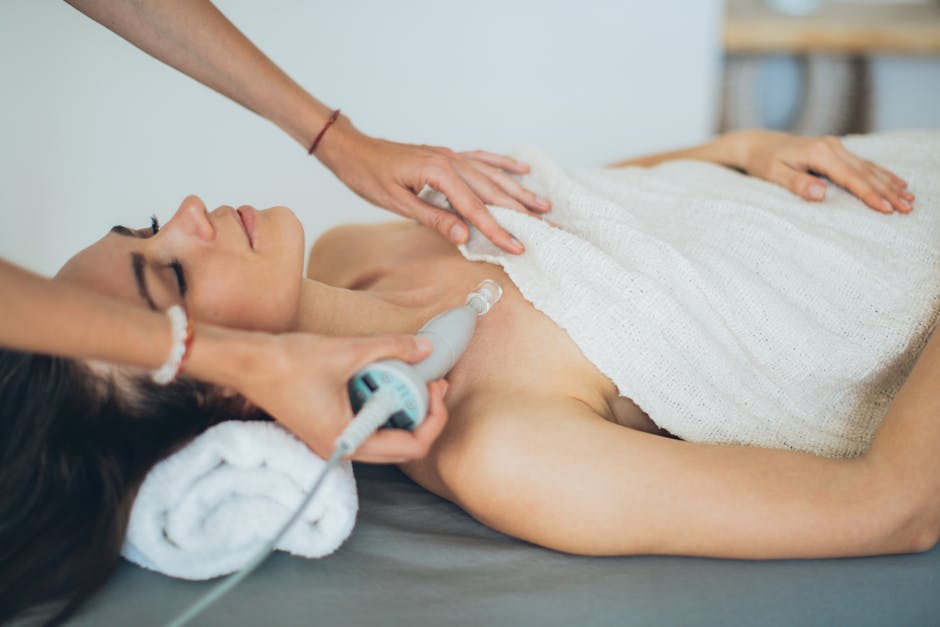
What resonance platforms propose is an extension of that principle: that external frequencies can interact with the body’s electrical and vibrational environment in ways that support relaxation and homeostasis. Three mechanisms are commonly discussed:
- Entrainment. Rhythmic input — whether sound, light, or pulsed frequency — can influence biological rhythms such as brainwave patterns and breathing rate. Slow, steady rhythms tend to promote a calmer state.
- Resonant response. Physical systems respond most strongly to frequencies that match their own natural oscillation. The therapeutic claim is that carefully chosen frequencies can gently nudge cellular activity toward a more balanced state.
- Nervous system regulation. Calming sensory input supports the parasympathetic (“rest and digest”) branch of the nervous system, which in turn supports sleep, digestion, and recovery.
None of this replaces the fundamentals. Sleep, movement, and nutrition remain the bedrock of health. The Sleep Foundation consistently documents how central quality sleep is to cellular repair and immune function, and the CDC’s physical activity guidelines make clear that regular movement is essential for metabolic and cardiovascular health. Resonance work is best understood as sitting on top of those foundations, not underneath them. For those who want to go deeper into the nervous system side of this equation, biofeedback for wellbeing offers a practical companion practice.
The Problem With Static Frequencies
Early frequency devices often ran a fixed set of programs — the same frequencies, delivered the same way, session after session. Users frequently reported that benefits faded over time. There is a plausible explanation for this: cellular adaptation.
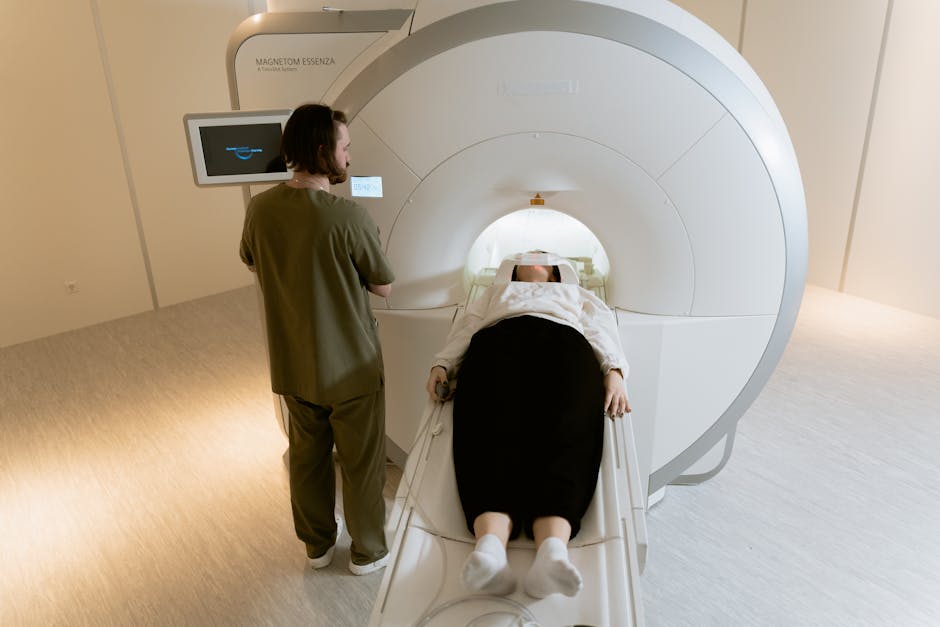
Biological systems are built to adapt. Receptors desensitize, neurons habituate, and the body adjusts to repeated, unchanging input. A static frequency that felt noticeable in week one may feel like nothing by week six, not because it stopped working, but because the body stopped responding to a predictable signal.
This is the central design challenge in modern frequency wellness. The solution, increasingly, is dynamic delivery: programs that shift, layer, and evolve so the nervous system keeps receiving novel, relevant input rather than a repetitive loop.
What a Modern Session Looks Like
In 2026, the most advanced platforms combine several modalities into a single guided experience. A typical session may include:
- Intake and personalization. Rather than choosing from a short menu, the user is guided by AI that considers goals, current state, and prior session data.
- Voice or breath scanning. Some platforms analyze vocal tone or breathing patterns as informal indicators of stress and readiness, then adjust the session accordingly — an approach explored in more detail in this guide to voice analysis health benefits.
- Adaptive frequency delivery. Programs shift throughout the session, drawing from large libraries — in the case of PeMF Healing LLC, Frequency Healing, more than 16,000 dynamic BioPhi programs and over 1.8 million frequencies — so the body is not exposed to the same static pattern repeatedly.
- Breathwork and soundscape integration. Guided breathing and sacred soundscapes provide a rhythmic, calming context that supports nervous system regulation alongside the frequency work.
- Wind-down and reflection. Sessions typically close with gentler tones to help the user return to daily activity feeling settled.
The combination matters. Frequency delivery alone is a passive experience; adding breathwork makes it active and participatory, which is generally where the most consistent subjective benefits appear.
Potential Benefits and Realistic Expectations
People who use resonance-based wellness platforms most often report improvements in how they feel: deeper relaxation, easier sleep onset, reduced tension, better mood, and a greater sense of calm. These are meaningful quality-of-life outcomes, and they are worth taking seriously.
What they are not is proof of disease treatment. Anyone exploring this space should hold two ideas at once:
- Subjective wellbeing is real and valuable, and relaxation-focused practices have a legitimate place in a wellness routine.
- Extraordinary claims require extraordinary evidence. Be skeptical of any provider promising cures.
The most defensible framing is that cellular resonance therapy supports the conditions in which the body does its own healing — rest, recovery, and regulation — rather than performing that healing itself. It is one strand within the broader landscape of energy healing techniques that have grown increasingly popular in recent years.
How to Choose a Resonance Platform in 2026
The market has matured quickly, and quality varies enormously. When evaluating any platform, consider the following:
Adaptivity
Does the system change over time, or does it replay the same fixed programs? Adaptive delivery is the single best indicator that a platform has addressed cellular adaptation.
Depth of the frequency library
A library with thousands of distinct programs and millions of frequency combinations can be tailored far more precisely than one with a few dozen presets.
Guidance and personalization
AI guidance, voice scanning, and breathwork support turn a passive device into a guided practice. Personalization should feel like a conversation, not a dropdown menu.
Safety and honesty
Good platforms state plainly that they are wellness tools, not medical devices. If you are pregnant, have a cardiac device, or are managing a medical condition, consult a qualified healthcare professional before use.
Integration with basics
The best results come when frequency work is paired with solid fundamentals. Alongside the Sleep Foundation and CDC guidance already mentioned, the NHS exercise guidance offers practical, realistic targets for daily movement that complement any wellness routine.
Frequently Asked Questions
Is cellular resonance therapy safe?
Non-invasive frequency and sound-based wellness practices are generally considered low-risk for healthy adults. They are not a substitute for medical care. If you have a health condition or an implanted electronic device, speak with your doctor first.
How quickly do people notice anything?
Many users report feeling more relaxed after a single session, since relaxation is a fairly immediate response to calming sensory input. Broader changes in sleep quality, stress, or energy are typically described over weeks of consistent practice rather than days.
Can it replace medication or therapy?
No. Cellular resonance therapy is a complementary wellness practice. It should never be used to delay, replace, or discontinue care prescribed by a licensed professional.
Why does adaptation matter so much?
Because it explains why static frequency programs tend to lose their impact over time. Choosing a platform built around dynamic, adaptive delivery is the most practical way to keep sessions meaningful long-term.
Conclusion
Cellular resonance therapy sits at an interesting crossroads in 2026: part cutting-edge bioelectric wellness, part modern reinterpretation of ancient ideas about rhythm, sound, and balance. The most credible version of this field is also the most modest — it supports relaxation, nervous system regulation, and recovery, and it works best when layered on top of sleep, movement, and good medical care.
What has genuinely changed is the technology. Adaptive platforms with vast frequency libraries, AI guidance, voice and breath scanning, and immersive soundscapes have solved the problem that limited earlier devices: cellular adaptation to static frequencies. For individuals exploring holistic wellness and frequency therapy, that shift from fixed to dynamic is the most important development to understand — and the clearest standard by which to judge any platform you consider.