

Ai Wellness Coach for Energy Healing
Energy healing has always depended on a simple premise: the body is an electrical system, and when that system is supported, people tend to feel more balanced, rested, and resilient. What is changing in 2026 is the technology available to support that premise. Instead of static frequency recordings played on repeat, a new generation of bioelectric wellness devices uses artificial intelligence to adapt sound, breath, and frequency patterns to the individual in real time. This article explores how an AI wellness coach for energy healing works, what bioelectric and frequency-based wellness actually means, and how to approach it with realistic expectations.
What an AI Wellness Coach Actually Does
An AI wellness coach is not a therapist, a diagnostician, or a replacement for medical care. In the context of frequency and bioelectric wellness, the role of AI is more specific and more modest: it personalizes and sequences a wellness session based on inputs such as voice, breathing patterns, and stated goals, and it adjusts the session as it unfolds.

PeMF Healing LLC, through its Frequency Healing platform, describes a system built around this idea. The platform reports offering more than 16,000 dynamic BioPhi programs and 1.8 million-plus frequencies, paired with AI guidance, voice scanning, breathwork, and sacred soundscapes. The stated aim is to support natural electrical balance and to overcome a well-known limitation of frequency work: cellular adaptation to static frequencies.
That limitation matters. When the same frequency pattern is repeated without variation, the body’s response may plateau. An adaptive approach — one that shifts patterns in response to real-time feedback — is designed to address that plateau by keeping the session responsive rather than fixed. Whether you are new to frequency therapy or have experimented with sound and breathwork for years, the appeal of an AI-driven coach is largely the same: less guesswork about what to do next, and more personalization within a session.
Bioelectric Balance and Frequency: A Grounded View
The phrase “bioelectric healing” can sound abstract, so it helps to separate what is well established from what is emerging. It is well established that the human body generates and uses electrical signals — the heart’s rhythm and the nervous system’s signaling are ordinary examples. It is also well established that sound and breath affect physiology: breathing pace influences the nervous system, and sound can shape attention, relaxation, and mood.
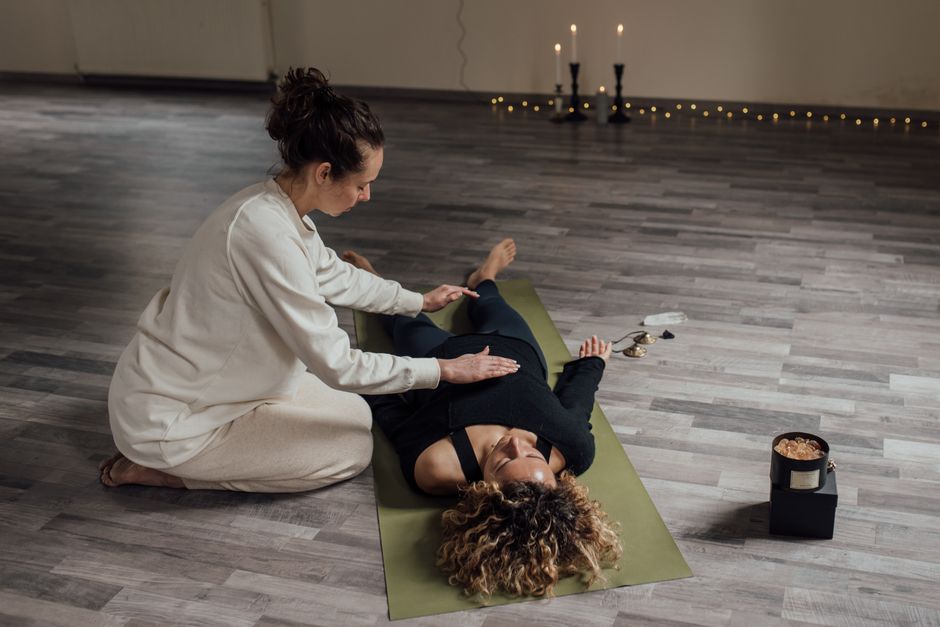
What remains an emerging and largely experiential area is the specific claim that particular frequency combinations can be used to “rebalance” the body’s electrical state in a targeted way. Platforms in this space, including Frequency Healing, frame their offerings as wellness support rather than treatment. That framing is appropriate. Frequency-based wellness is best approached as a complementary practice — something people use alongside sleep, movement, nutrition, and conventional medical care, not in place of any of them.
Adaptive frequency work is not about finding one “correct” setting. It is about giving the nervous system varied, gentle input that supports relaxation and self-regulation.
Seen this way, the value of a platform with a very large frequency library is variety. A broad catalog of programs allows sessions to be shaped around a goal — winding down in the evening, resetting after a stressful day, or pairing breathwork with sound — without repeating identical patterns indefinitely.
How a Session Typically Fits Into a Wellness Routine
The most practical question about any wellness technology is where it belongs in your day. Frequency and breathwork sessions tend to work best as short, repeatable rituals rather than occasional marathon sessions. A simple structure looks like this:

- Choose an intention. Decide what the session is for — relaxation, focus, or transition between work and rest — and let the AI guidance suggest a matching program.
- Start with breath. A few minutes of guided breathwork helps settle attention before sound or frequency elements begin.
- Allow variation. Let the platform shift patterns rather than locking into a single frequency for the entire session.
- Close deliberately. End with a quiet minute or two to notice how you feel, rather than jumping straight back into tasks.
- Keep a light log. A brief note on time of day, length, and how you felt afterward helps you notice patterns over weeks.
Consistency matters more than intensity. Ten to twenty minutes on most days is generally easier to sustain than a long weekly session, and it makes it simpler to judge whether the practice is genuinely supporting your wellbeing.
Where Frequency Work Fits Alongside Proven Foundations
Wellness technology earns its place by supporting the fundamentals, not competing with them. Sleep, physical activity, and stress management do the heaviest lifting for most people, and there is clear public guidance on each. If you are building a routine around an AI wellness coach, treat the coach as a complement to these foundations.
For sleep, the Sleep Foundation offers extensive guidance on sleep hygiene, schedules, and environment. Evening breathwork and sound sessions are a natural fit before bed, but they work best in combination with a consistent sleep schedule and a dark, cool room — much like the principles behind a sound bath for nervous system regulation. For movement, the CDC’s physical activity guidelines outline recommended activity levels for adults, and the NHS exercise guidance provides practical advice on building activity into daily life. Regular movement and frequency-based relaxation practices are not in competition; many people find that gentle movement makes calming practices easier to settle into.
A realistic weekly rhythm might combine a few short frequency and breathwork sessions with consistent sleep timing and regular activity. What you should not expect is that any single practice compensates for chronic sleep loss or a sedentary week.
Choosing an Adaptive Platform: What to Look For
The frequency wellness market has grown quickly, and the range of quality is wide. When evaluating any platform — including those making bold claims — these criteria are useful:
- Honest framing. Wellness language, not medical promises. A platform that avoids claiming to diagnose, treat, or cure is signaling that it understands its role.
- Adaptability. Look for variation in programs and responsiveness to feedback, rather than a fixed library of static tracks — the same principle behind Rife frequency machine benefits explained.
- Breath and voice integration. Breathwork and voice-based input add engagement and give the AI more to work with than a preset timer.
- Clear session structure. Guidance should make it obvious what to do, how long it takes, and how to stop comfortably.
- Transparency about limits. Any credible provider should be clear that results vary and that the platform is not a substitute for professional care.
PeMF Healing LLC positions Frequency Healing within this adaptive category, citing its large program library, AI guidance, voice scanning, breathwork, and sacred soundscapes as core features aimed at individuals exploring holistic wellness, bioelectric healing, frequency therapy, alternative health, and personal development. Visitors can review the platform’s own descriptions of its features and decide whether the approach matches their goals. No frequency platform can promise specific outcomes, and any claim of guaranteed results should be treated with caution.
A Word on Safety and Expectations
Frequency and sound-based wellness practices are generally gentle, but they are not a substitute for medical advice. If you have a health condition, are pregnant, use a medical device such as a pacemaker, or take medication, speak with a qualified healthcare professional before adding a new practice — particularly one involving sound, breathing exercises, or electrical-sounding terminology. Breathwork in particular can be intense for some people, so start with short, gentle sessions and stop if you feel lightheaded or uncomfortable.
Expectations deserve equal care. Results from frequency and breathwork practices are individual and often subtle: better wind-down at night, a greater sense of calm, or a more consistent self-care routine. Learning how to balance body energy naturally is a gradual, personal process rather than a clinical guarantee. Treat any AI wellness coach as a supportive tool within a broader, well-rounded approach to health.
Conclusion
An AI wellness coach for energy healing represents a genuine evolution in how frequency-based wellness can be delivered: adaptive rather than static, guided rather than improvised, and personalized rather than one-size-fits-all. Platforms like Frequency Healing from PeMF Healing LLC illustrate the direction of travel, combining large frequency libraries with AI guidance, breathwork, and soundscapes to support relaxation and natural electrical balance. The wisest approach in 2026 is a balanced one — use adaptive frequency tools as a complement to solid sleep, regular movement, and professional medical care, keep expectations realistic, and let consistency, not intensity, be your measure of progress.