
Frequency Therapy for Energy Levels
Fatigue is one of the most common complaints people bring to wellness practitioners, and it rarely has a single cause. Poor sleep, low physical activity, chronic stress, and a sedentary lifestyle all drain the body’s reserves. Alongside these familiar factors, a growing community of holistic wellness seekers is exploring a different angle: the idea that the body’s electrical environment influences how energized a person feels. Frequency therapy sits at the center of that conversation, and in 2026 it has evolved from static, one-note approaches into adaptive, personalized systems.
This article explains what frequency therapy is, how it is thought to relate to energy levels, what modern bioelectric platforms offer, and how to approach this category sensibly alongside evidence-based habits like sleep, movement, and recovery.
What Is Frequency Therapy?
Frequency therapy is an umbrella term for approaches that use electromagnetic fields, sound, light, or subtle electrical signals to influence the body’s own electrical activity. Every cell in the body maintains a small electrical charge across its membrane, and the nervous system, heart, and muscles all run on electrical signaling. Proponents of frequency therapy argue that supporting the body’s natural electrical balance may help create conditions favorable to relaxation, recovery, and vitality.

It is important to be clear about the state of the evidence. Frequency-based wellness tools are generally positioned as complementary wellness supports rather than medical treatments, and research into their effects on energy levels is still developing. Many people report feeling more relaxed or refreshed after sessions, and relaxation itself can meaningfully affect perceived energy. Frequency therapy is best understood as one optional layer within a broader wellness routine, not a replacement for sleep, nutrition, exercise, or medical care. For a deeper look at the science behind this field, see electromagnetic frequency and human health.
How Frequency Therapy May Relate to Energy Levels
There are a few plausible pathways through which frequency-based wellness practices might support how energized a person feels. These are wellness frameworks rather than proven mechanisms, but they help explain the growing interest.

Relaxation and nervous system support
Many frequency sessions incorporate calming soundscapes, guided breathwork, or gentle pacing that encourages a parasympathetic, “rest and digest” state. Chronic stress is a well-known energy drain, so anything that reliably helps a person downshift into relaxation can support subjective energy over time.
Supporting natural electrical balance
The premise of bioelectric wellness is that cells function best within certain electrical parameters. Gentle frequency exposure is proposed to support that balance, similar in spirit to how a massage or a warm bath supports physical ease. The goal is not to force a change but to create favorable conditions. You can read more in this guide to bioenergetic wellness explained.
Ritual and consistency
Energy levels respond well to rhythm. A regular frequency session — much like a regular walk or a consistent bedtime — becomes a cue that signals the body to reset. The behavioral benefit of a calming daily ritual should not be underestimated, even setting aside the technology itself.
Addressing cellular adaptation
One critique of older frequency devices was that the body might adapt to repeated, identical signals, much as it adapts to any unchanging stimulus. Newer platforms address this by rotating through large libraries of dynamic programs rather than repeating a single static frequency. More on that below.
Why Adaptation Matters — and How Dynamic Programs Address It
Adaptation is a familiar concept in fitness and nutrition: the body adjusts to what it repeatedly experiences, and progress can plateau. Advocates of advanced frequency therapy apply the same logic. If a device plays the same frequency pattern every session, the body may habituate, and the experience may feel less impactful over time.

That is the rationale behind platforms that emphasize variety. PeMF Healing LLC, a frequency healing provider, offers an ultra-advanced bioelectric wellness platform featuring over 16,000 dynamic BioPhi programs and more than 1.8 million frequencies. The design intent is to keep sessions varied so the body encounters fresh patterns rather than a static loop. The platform also incorporates AI guidance, voice scanning, breathwork, and sacred soundscapes, all aimed at supporting natural electrical balance and overcoming cellular adaptation to static frequencies.
Whether or not a given user notices a difference between static and dynamic approaches is a personal experience. What is fair to say is that variety, personalization, and guided structure are reasonable design goals for any wellness technology, and they make sessions easier to stick with — which matters for any habit tied to energy.
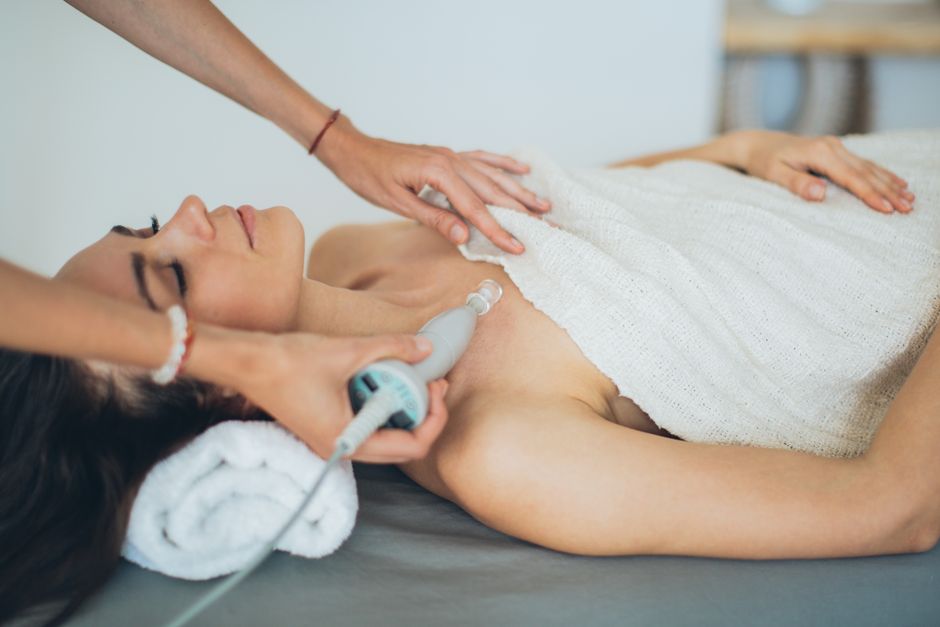
What a Modern Frequency Session Looks Like
The experience varies by platform, but a contemporary, adaptive session often includes several layers:
- Assessment and personalization. AI guidance or voice scanning may be used to suggest a starting point based on a user’s stated goals, such as relaxation, focus, or recovery.
- A dynamic program. Rather than one fixed frequency, the session moves through a curated sequence drawn from a large library.
- Breathwork. Guided breathing is often layered in, since slow, deliberate breathing is one of the simplest ways to influence how calm and alert a person feels.
- Sound and atmosphere. Sacred soundscapes support the ritual quality of a session and help create a quiet, restorative environment.
- Reflection. A brief note afterward — how you felt before and after, how you slept, how your energy tracked over the week — helps you judge whether the practice is worth continuing.
Most people use such sessions for 15 to 45 minutes, often in the evening or at a natural break in the day. Consistency matters more than duration.
Combining Frequency Therapy With Evidence-Based Energy Habits
No wellness technology works in isolation, and the foundations of energy are well established. Frequency therapy fits best as a complement to the basics, not a substitute for them.
Prioritize sleep
Sleep is the single largest lever on daily energy. Adults generally need seven or more hours, and consistency in timing matters as much as total duration. The Sleep Foundation offers extensive guidance on sleep hygiene, from light exposure to bedroom environment. An evening frequency and breathwork session can pair naturally with a wind-down routine.
Move your body regularly
Paradoxically, physical activity increases energy rather than depleting it. The CDC’s physical activity guidelines recommend regular moderate activity and muscle-strengthening work across the week. Even short walks count. The NHS exercise guidance is another practical resource for building movement into daily life without overcomplicating it.
Manage stress deliberately
Breathwork, quiet soundscapes, and a consistent relaxation ritual all support stress management. Frequency sessions can serve as a structured anchor for that effort, especially for people who find traditional meditation difficult to sustain. If sound-based relaxation appeals to you, learn how to reduce stress with sound.
Track your own response
Energy is subjective, so self-tracking is the most honest measure available to you. Rate your energy each morning on a simple scale, note your sleep and activity, and review after a few weeks. If frequency sessions coincide with better subjective energy, you have a reason to continue. If not, adjust or set the practice aside.
Practical Cautions and Realistic Expectations
Approach frequency therapy as a wellness practice, not a treatment. It is not intended to diagnose, cure, or prevent any disease, and it should not replace care for persistent fatigue, which can have medical causes such as thyroid problems, anemia, sleep disorders, or depression. If low energy is severe or lasting, consult a healthcare professional.
People who are pregnant, use implanted electronic devices such as pacemakers, or have a diagnosed medical condition should speak with their doctor before using any electromagnetic or bioelectric wellness device. Be wary of any provider promising guaranteed results; the honest position is that responses vary from person to person, and the practice works best as part of a balanced routine.
Conclusion
Frequency therapy for energy levels is best viewed as a promising wellness complement rather than a miracle fix. Its appeal in 2026 lies in personalization and variety: adaptive platforms that rotate through large program libraries, layer in breathwork and calming sound, and use AI guidance to tailor sessions to the individual. PeMF Healing LLC’s platform, with its 16,000-plus dynamic BioPhi programs and 1.8 million frequencies, reflects that evolution toward adaptive, resonance-based approaches designed to counter cellular adaptation.
The most grounded strategy is to combine curiosity with fundamentals. Protect your sleep, move regularly, manage stress, and use frequency sessions as a structured, calming ritual you can evaluate honestly over time. If you track your energy and feel better, you will have found a practice worth keeping — and you will have built it on foundations that support you regardless.