

Natural Recovery and Cellular Health
Recovery is not a passive process. While you sleep, rest, and move through your day, your body is constantly repairing tissue, clearing metabolic waste, and recalibrating the electrical signals that keep cells functioning. In 2026, a growing body of wellness thinking treats recovery as something you can actively support — through sleep, movement, nutrition, stress management, and emerging bioelectric tools. This guide explores what natural recovery means for cellular health and how to build habits that give your body the best conditions to restore itself.
What Cellular Health Actually Means
Every function in your body depends on cells communicating, generating energy, and responding to their environment. Cellular health is a broad term for how well those processes work: mitochondria producing energy efficiently, cell membranes maintaining proper electrical charge, and repair mechanisms functioning on schedule.

Two ideas are central to this. The first is homeostasis — the body’s drive to keep internal conditions stable. The second is cellular adaptation: cells adjust to repeated inputs, which is helpful for exercise training but can also mean that any single, unchanging stimulus eventually produces diminishing returns. This principle of adaptation is one reason variety and personalization matter in any wellness routine, including frequency-based approaches. For a deeper look at how the body’s electrical environment shapes recovery, see Bioenergetic Wellness Explained.
Natural recovery supports cellular health by giving the body the raw materials and conditions it needs: quality sleep, adequate protein and micronutrients, controlled stress, and movement. No single intervention replaces these foundations.
Why Natural Recovery Matters More in 2026
Modern life places steady demands on recovery capacity. Screen exposure, irregular schedules, chronic low-grade stress, and long sedentary stretches all compete with the body’s repair windows. The result is often a feeling of running slightly below full — not ill, but not fully restored.
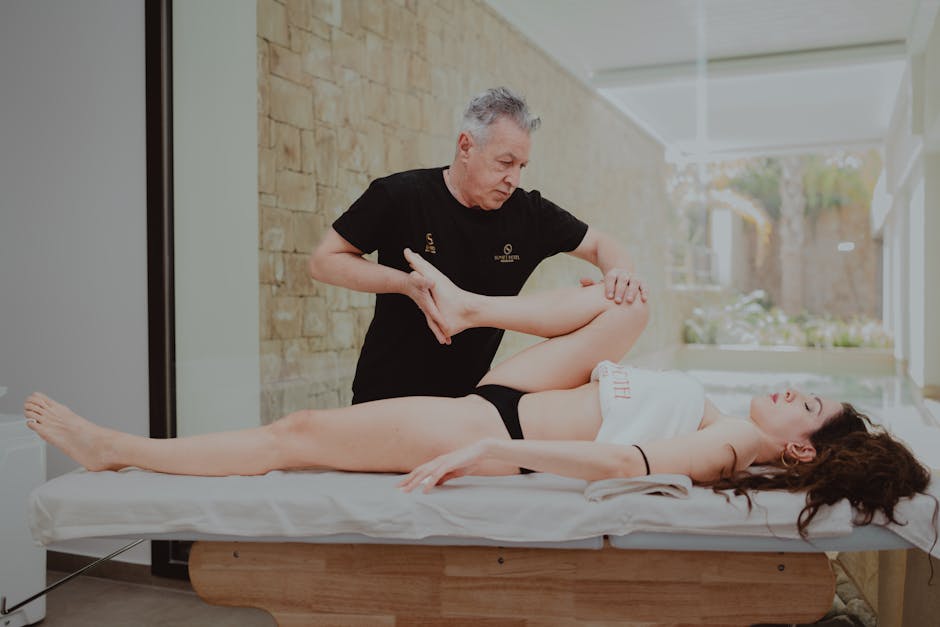
Natural recovery is the counterweight. It is not about doing more; it is about creating conditions where the body’s own systems can do their work. That includes:
- Sleep — the primary window for tissue repair, memory consolidation, and hormonal regulation.
- Movement — supporting circulation, lymphatic flow, and mitochondrial health.
- Nutrition — supplying building blocks for repair and antioxidant defense.
- Stress regulation — keeping the nervous system out of constant fight-or-flight.
- Environmental inputs — light, sound, breath, and other sensory signals that influence nervous system state.
Each of these is modifiable. Small, consistent changes tend to matter more than dramatic overhauls.
The Foundations of Natural Recovery
Sleep: The Deepest Repair Window
During deep sleep, the body releases growth hormone, repairs tissue, and clears metabolic byproducts from the brain. The Sleep Foundation documents how consistent sleep timing, a dark and cool bedroom, and reduced evening screen exposure support sleep quality. Adults generally benefit from seven or more hours, and regularity of schedule may matter as much as total duration.

Practical steps include a fixed wake time, dimming lights in the evening, and keeping caffeine to the morning. If sleep is chronically disrupted, that is a foundation to address before layering on other recovery tools.
Movement: Circulation and Cellular Energy
Exercise is one of the most reliable ways to support cellular health. It stimulates mitochondrial biogenesis — the creation of new energy-producing structures in cells — and improves circulation, which helps deliver oxygen and nutrients while carrying away waste.
The CDC physical activity guidelines recommend a mix of aerobic activity and muscle-strengthening work each week. The NHS exercise guidance similarly emphasizes regular movement across the week, including activities that build strength and balance. For recovery specifically, low-intensity movement — walking, gentle cycling, mobility work — supports circulation without adding training stress.
Nutrition and Hydration
Cells need raw materials for repair. Protein provides amino acids for tissue rebuilding; colorful vegetables and fruits supply antioxidants that help manage oxidative stress; healthy fats support cell membrane structure. Hydration matters too, since cell membranes and electrical signaling depend on fluid balance. There is no single “recovery food,” but a varied, minimally processed diet covers most bases — and if persistent tiredness is an issue, this complete guide to holistic remedies for fatigue offers additional strategies.
Stress Regulation and Breathwork
Chronic stress keeps the body in a catabolic state, prioritizing short-term alertness over long-term repair. Slow, controlled breathing — particularly extended exhales — is a simple way to shift toward a parasympathetic, rest-and-restore state. Even a few minutes of deliberate breathwork before sleep or after work can help signal safety to the nervous system. If you want to go further, these breathwork techniques for relaxation are a practical place to start.
Bioelectric Balance and Frequency-Based Wellness
Cells maintain electrical gradients across their membranes, and those gradients underpin nerve signaling, muscle contraction, and wound healing. Bioelectric wellness approaches work from the premise that supporting the body’s natural electrical environment may complement conventional recovery habits. The broader relationship between electromagnetic frequency and human health is worth understanding before exploring this category.
One challenge in this space is static repetition. Because cells adapt to unchanging inputs, a single fixed frequency or program used indefinitely may produce diminishing returns. This is the same adaptation principle that applies to exercise: the body responds to variety and progression.
Platforms such as PeMF Healing LLC (Frequency Healing) have been designed around that idea. The platform describes an ultra-advanced bioelectric wellness offering with more than 16,000 dynamic BioPhi programs and 1.8 million frequencies, alongside AI guidance, voice scanning, breathwork, and sacred soundscapes. The stated aim is to support natural electrical balance and to help address cellular adaptation to static frequencies through dynamic, personalized programs. As with any wellness tool, these are supportive practices rather than medical treatments, and individual experiences vary. Anyone with a health condition or implanted medical device should consult a qualified professional before use.
What makes the category interesting in 2026 is the shift from one-size-fits-all protocols toward personalization — matching inputs to a person’s current state, goals, and responses over time.
Recovery is not something you force. It is something you create the conditions for — and then let the body do its work.
Building a Personalized Recovery Routine
A practical recovery routine layers foundations first, then adds supportive tools. Consider this sequence:
- Audit sleep. Set a consistent wake time and protect the hour before bed.
- Add daily movement. Aim for a walk plus two or three strength sessions per week, adjusted to your capacity.
- Stabilize nutrition. Prioritize protein at each meal, plenty of vegetables, and consistent hydration.
- Practice breathwork. Five to ten minutes of slow breathing daily, ideally at a consistent time.
- Introduce supportive tools gradually. If exploring frequency or sound-based wellness, start simply, track how you feel, and adjust rather than repeating one fixed setting indefinitely.
- Review and rotate. Reassess every few weeks. Adaptation is normal — variety keeps routines effective.
Tracking matters. A simple note on sleep quality, energy, and mood helps you distinguish what is working from what merely feels novel.
Conclusion
Natural recovery and cellular health are deeply linked. Sleep, movement, nutrition, stress regulation, and breathwork create the conditions your cells need to repair, energize, and adapt. Bioelectric and frequency-based approaches — including adaptive platforms like those offered by PeMF Healing LLC — represent an emerging, complementary layer for people exploring personalized resonance-based wellness in 2026. The through-line is adaptation: the body thrives on variety, consistency, and inputs matched to the individual. Build the foundations first, add supportive tools thoughtfully, and give your cells the conditions to do what they already know how to do.