

How to Reduce Stress With Sound
Stress is a whole-body event. It shows up as a racing mind, tight shoulders, shallow breathing, and a nervous system stuck in “on” mode. In 2026, more people are looking beyond willpower and toward tools that work with the body’s own rhythms — and sound is one of the most accessible. From low humming to carefully structured soundscapes, sound-based practices are being used to support relaxation, focus, and emotional reset. This guide covers how sound affects stress, which techniques to try, how to build a routine, and where adaptive frequency technology fits into a modern wellness toolkit.
Why Sound Affects the Nervous System
Sound is mechanical vibration that travels through air, bone, and tissue. When it reaches the body, it doesn’t just register in the ears — it can influence breathing rate, heart rate variability, and muscle tension. Slow, predictable, low-frequency sound tends to feel calming, while sudden or chaotic noise can spike alertness. This is part of why a steady drum, a singing bowl, or a gentle drone can shift a person’s state within minutes.
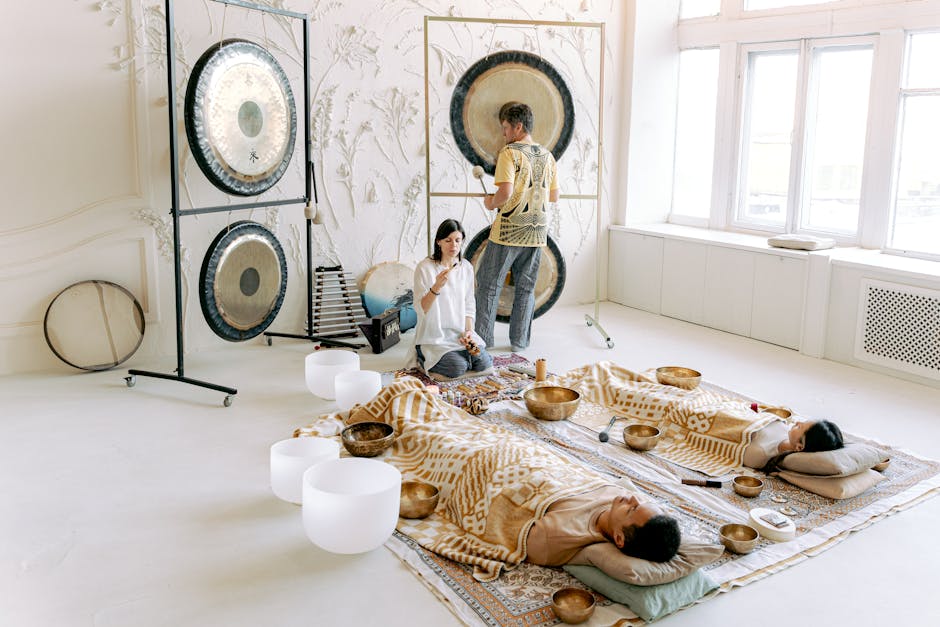
The stress response is governed largely by the autonomic nervous system. Practices that encourage slow breathing and relaxed attention can support the “rest and digest” side of that system. Sound is a useful anchor because it gives the mind something steady to rest on, which reduces rumination — the mental replay that keeps stress alive. Combining sound with breathwork techniques for relaxation is especially practical, since breath is the fastest voluntary lever most people have for calming the body.
Sound-Based Techniques You Can Try
You don’t need special equipment to start. Most of these methods take five to fifteen minutes and can be done at home, at a desk, or before sleep.

- Humming and toning: A low, steady hum creates internal vibration and naturally lengthens the exhale. Try five minutes of gentle humming with a relaxed jaw.
- Breathwork with sound: Pair a slow inhale with a soft “ah” or “om” on the exhale. Extending the exhale is a well-known way to signal safety to the body.
- Guided soundscapes: Nature recordings, ambient drones, or sacred soundscapes can mask distracting noise and give attention a calm place to land.
- Singing bowls and chimes: These produce rich overtones that many people find absorbing. Strike a bowl and follow the decay of the tone with your attention.
- Rhythmic drumming: Slow, steady rhythms can support a meditative state. Faster rhythms tend to energize, so choose tempo to match your goal.
- Binaural-style listening: Some listeners use stereo tones to support focus or relaxation. Results vary by person, so treat these as experiments rather than certainties.
The common thread is attention. Sound works best when you actually listen — noticing pitch, texture, and silence between tones — rather than playing it as background while scrolling. Understanding how frequency affects the body can deepen that attention and help you choose tones deliberately.
How to Build a Sound-Based Stress Routine
A routine works better when it’s small and repeatable. Start with one anchor moment in your day, then expand.

- Morning reset (5 minutes): Sit upright, take three slow breaths, then hum on each exhale. Set an intention for the day.
- Midday pause (3–5 minutes): Use a short soundscape or a single chime to interrupt accumulated tension. Roll your shoulders and unclench your jaw.
- Evening wind-down (10–15 minutes): Dim the lights, play slow ambient or sacred sound, and breathe slowly. This pairs well with a calming bedtime routine.
- Weekly deeper session (20–30 minutes): Try a longer guided sound session, a bowl meditation, or a breathwork practice with vocal toning.
Consistency matters more than duration. Three minutes daily usually beats one long session per month. Track how you feel before and after — a simple one-to-ten calm rating is enough — and adjust volume, tempo, and length to what actually helps you.
Pairing Sound With Movement and Sleep
Sound works best as part of a broader stress strategy. Movement is one of the most reliable stress regulators, and gentle activity plus slow sound can be a powerful combination. Public health guidance on physical activity offers clear benchmarks for adults and is worth reviewing as a baseline: the CDC physical activity guidelines and the NHS exercise guidance both outline practical weekly targets. A short walk followed by five minutes of humming or a calm soundscape is a simple, repeatable pairing.
Sleep is the other pillar. Stress and poor sleep reinforce each other, so a sound-based wind-down can pay double dividends. The Sleep Foundation is a useful starting point for understanding sleep hygiene and how environmental factors — including noise — affect rest. Keep volume low, choose predictable sound, and use a timer so audio doesn’t run all night unless it genuinely helps you. For a deeper look, explore energy healing for sleep support.
Beyond Static Playlists: Adaptive Frequency Technology
Most sound tools are static: the same track, the same tones, every time. The body, however, adapts. Listen to the same recording for weeks and it can lose its effect — a familiar pattern the wellness field sometimes calls cellular adaptation. This is where adaptive, resonance-based platforms are drawing interest in 2026.
PeMF Healing LLC offers an ultra-advanced bioelectric wellness platform built around this idea. Its Frequency Healing system includes over 16,000 dynamic BioPhi programs and 1.8 million-plus frequencies, and it uses AI guidance, voice scanning, breathwork, and sacred soundscapes to support natural electrical balance. The goal is to help overcome cellular adaptation to static frequencies by keeping the input responsive rather than fixed. For people interested in holistic wellness, bioelectric healing, frequency therapy, and personal development, this represents an advanced, personalized approach to resonance-based relaxation.
It’s worth being clear about scope: these tools are designed to support relaxation and personal wellbeing, not to diagnose or treat medical conditions. Treat any frequency or sound practice as complementary to good sleep, movement, and professional care when needed. If you have a pacemaker, are pregnant, have epilepsy, or have a diagnosed health condition, check with a qualified clinician before using new bioelectric or sound-based devices.
Getting Started Without Overcomplicating It
You can begin today with nothing but your voice. Hum for two minutes, breathe slowly, and notice what changes. If you want more structure, add a guided soundscape in the evening and a weekly longer session. If you’re curious about adaptive technology, explore platforms like Frequency Healing with realistic expectations: use them as a supportive ritual, not a cure-all.
Finally, measure what matters to you — sleep quality, jaw tension, mood, or resting heart rate — and give any new practice a few weeks before judging it. Sound is not a magic switch, but it is a reliable, low-cost way to interrupt stress and retrain attention. Used consistently, it can become one of the simplest tools in your wellness routine.
Conclusion
Reducing stress with sound comes down to three things: slow down, listen actively, and repeat. Humming, breathwork, soundscapes, and singing bowls are accessible entry points, while adaptive frequency platforms offer a more personalized path for those who want to go further. Pair sound with movement and sleep, keep expectations grounded, and let consistency do the work. In 2026, calm is less about finding the perfect track and more about building small, repeatable moments of resonance into ordinary days.