
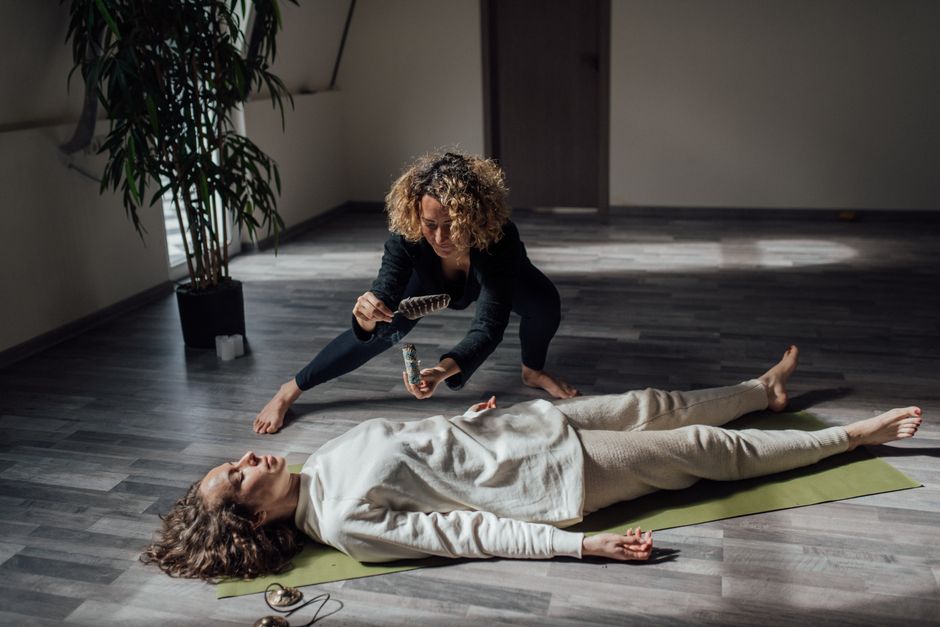
Biofield and Electrical Body Balance
The human body runs on electricity. Every heartbeat, every thought, and every muscle movement depends on tiny electrical signals traveling through cells and tissues. This electrical activity is part of what many traditions and emerging wellness approaches call the biofield — a subtle field of energy and information that surrounds and permeates the body. Understanding the relationship between the biofield and electrical body balance opens the door to a broader view of health, one that looks beyond symptoms to the underlying flow of energy through the body.
In 2026, interest in bioelectric wellness and frequency-based approaches has grown considerably. People seeking holistic solutions are exploring how adaptive technologies, sound, breath, and personalized resonance programs might support the body’s natural electrical equilibrium. This article explores the science and philosophy behind bioenergetic wellness explained, the factors that disrupt it, and the practical ways modern wellness platforms approach restoration.
What Is the Biofield?
The term biofield refers to a concept used in energy medicine and some biophysical research: a field of energy and information that is thought to exist within and around living organisms. While the biofield is not yet a fully established clinical measurement in conventional medicine, it offers a framework for understanding how the body coordinates itself as an integrated whole rather than a collection of separate parts.

Practitioners and researchers who work with the biofield describe it as the body’s energetic blueprint — a dynamic matrix that influences and is influenced by physical, emotional, and environmental factors. From this perspective, electrical balance in the body is not just about ions and nerve impulses; it is about the coherence and adaptability of the entire system.
This holistic view aligns with growing interest in lifestyle approaches that support overall wellbeing, where movement, rest, and stress management are understood to interact with the body’s regulatory systems. The biofield concept simply adds an energetic lens to that same integrated picture.
How Electrical Balance Works in the Body
At the cellular level, electrical balance depends on the movement of charged particles — sodium, potassium, calcium, and chloride — across cell membranes. This creates what is known as the membrane potential, a voltage difference that allows cells to communicate, contract, and respond to their environment. Nerve cells, heart muscle cells, and even immune cells rely on these electrical gradients to function properly.

When electrical balance is disrupted, the effects can show up in many ways: fatigue, poor sleep, brain fog, tension, and a general sense of being “out of sync.” While these symptoms have many possible causes, wellness practitioners often view them as signs that the body’s regulatory systems need support.
Several everyday factors influence electrical and energetic balance:
- Sleep quality. Restorative sleep supports cellular repair and nervous system regulation. The Sleep Foundation notes that sleep plays a critical role in restoring the body’s energy and supporting healthy brain function.
- Physical activity. Movement influences circulation, nerve signaling, and the body’s overall energetic state. The CDC’s physical activity guidelines highlight how regular movement supports long-term health.
- Stress and emotional load. Chronic stress can keep the nervous system in a heightened state, which may affect coherence and balance.
- Environmental exposure. Electromagnetic fields, toxins, and dietary factors are often discussed as influences on the body’s electrical environment.
- Breath and mindset. Slow, intentional breathing and calm mental states are widely used to support nervous system balance.
These factors do not operate in isolation. They form a web of influences that shape how the body maintains — or struggles to maintain — its electrical and energetic equilibrium.
Frequency Therapy and the Biofield
Frequency therapy is a broad term for approaches that use specific vibrational or electromagnetic frequencies to support the body’s natural balance. Sound healing, vibroacoustic therapy, and resonance-based wellness programs all fall under this umbrella. The underlying idea is that cells and tissues respond to vibration, and that certain frequencies may support relaxation, coherence, and a sense of wellbeing.

One challenge in frequency-based wellness is cellular adaptation. When the body is exposed to the same frequency or program repeatedly, it can become habituated, and the response may diminish over time. This is similar to how muscles adapt to a repeated workout or how the mind tunes out a constant background noise. To counter this, some modern platforms emphasize dynamic, varied programs rather than static frequencies — a principle also reflected in frequency therapy for energy levels.
Adaptive approaches aim to keep the body’s response engaged by rotating frequencies, varying sequences, and personalizing programs to the individual. This reflects a broader principle in wellness: the body responds best to variety, novelty, and personalized input rather than one-size-fits-all repetition.
“The body is not a machine with fixed settings. It is a living, adaptive system that responds to change, rhythm, and coherence.”
Adaptive Bioelectric Wellness Technology
Technology is reshaping how people approach biofield and electrical balance. Platforms such as PeMF Healing LLC, Frequency Healing offer an ultra-advanced bioelectric wellness platform designed for individualized, adaptive resonance. According to the company, the platform includes more than 16,000 dynamic BioPhi programs and over 1.8 million frequencies, alongside AI guidance, voice scanning, breathwork, and sacred soundscapes.
The emphasis on dynamic programs addresses the problem of cellular adaptation to static frequencies. Rather than delivering the same signal repeatedly, an adaptive platform varies its output and personalizes the experience. Voices can be scanned to inform program selection, and breathwork and soundscapes are integrated to support relaxation and nervous system balance — an evolution explored in voice scan health technology in 2026.
This kind of platform sits within the broader category of resonance-based wellness — an approach that treats frequency, rhythm, and coherence as tools for supporting the body’s natural state. For individuals drawn to holistic wellness, bioelectric healing, and personal development, adaptive platforms offer a structured way to explore these ideas with a level of personalization that older static devices could not provide.
It is important to approach any wellness technology with realistic expectations. These platforms are designed to support wellbeing and relaxation, not to diagnose, treat, or cure medical conditions. Anyone considering a new wellness practice should view it as a complement to — not a replacement for — professional medical care.
Supporting Electrical Balance in Daily Life
Regardless of the technology used, daily habits remain the foundation of biofield and electrical balance. A few practical principles can help:
- Protect sleep. Prioritize consistent sleep and wake times, a dark and cool room, and a wind-down routine that calms the nervous system.
- Move regularly. Walking, stretching, and varied physical activity support circulation and nerve signaling.
- Practice intentional breathwork. Slow, deep breathing can shift the nervous system toward a calmer state and support energetic coherence.
- Use sound and rhythm. Music, chanting, and sacred soundscapes can support relaxation and a sense of balance, in line with natural recovery and cellular health.
- Manage stress. Mindfulness, journaling, time in nature, and supportive relationships all contribute to a balanced internal state.
- Personalize your approach. Notice what works for you and adjust over time, since the body responds best to variety and individualized care.
These habits work synergistically. Sleep supports recovery, movement supports circulation, breath supports calm, and sound supports coherence. Together, they create an environment in which the body’s electrical and energetic systems can function more smoothly.
Is Bioelectric Wellness Right for You?
Bioelectric and biofield-oriented wellness appeals to people who want a holistic, personalized approach to their health. If you are curious about frequency therapy, resonance-based solutions, or adaptive wellness technology, it helps to start with an open but grounded mindset. Explore reputable platforms, ask questions about how programs are personalized, and consider how the practice fits alongside your existing health routine.
It is equally important to consult qualified healthcare professionals about any medical concerns. Wellness tools are most valuable when they complement sound medical care, good sleep, regular movement, and stress management — not when they replace them.
Conclusion
The biofield and electrical body balance represent a fascinating intersection of ancient energetic traditions and modern adaptive technology. From the membrane potential of individual cells to the coherence of the whole system, the body’s electrical nature is real and deeply connected to how we feel and function. In 2026, adaptive frequency platforms and personalized resonance programs offer new ways to explore this terrain, while timeless habits like sleep, movement, breath, and sound remain the bedrock of balance. By combining grounded lifestyle practices with thoughtfully chosen wellness technology, individuals can support their body’s natural electrical equilibrium and move toward a more coherent, resilient state of being.