
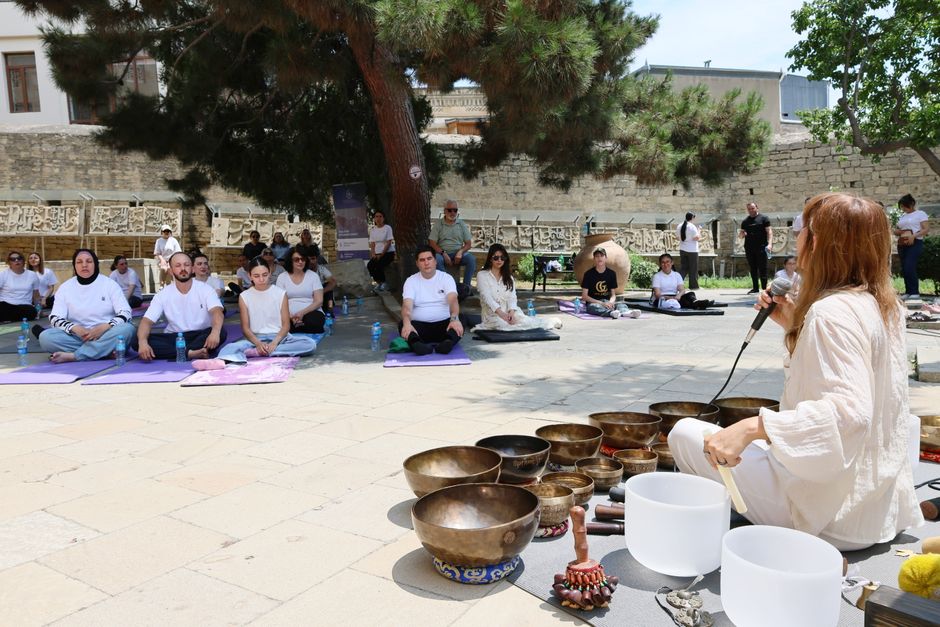
Breathwork for Nervous System Regulation
In our modern world of constant stimulation and stress, the nervous system often remains in a state of hypervigilance, leading to anxiety, fatigue, and disconnection from our body’s natural rhythms. Breathwork has emerged as one of the most accessible and scientifically validated tools for regulating the nervous system, restoring balance between the sympathetic and parasympathetic states. When combined with advanced bioelectric wellness technologies, breathwork becomes even more powerful in supporting the body’s natural electrical coherence and cellular vitality.
Understanding how breathwork influences nervous system regulation opens pathways to profound healing. Your breath is not merely a mechanical process—it’s a direct communication channel to your autonomic nervous system, capable of shifting you from fight-or-flight stress responses to rest-and-digest restoration in minutes. This comprehensive guide explores the science, techniques, and integration of breathwork with frequency healing for optimal nervous system health.
Understanding the Nervous System and Breath Connection
The autonomic nervous system operates largely beneath conscious awareness, controlling heart rate, digestion, respiratory rate, and countless other vital functions. It consists of two primary branches: the sympathetic nervous system, which activates stress responses, and the parasympathetic nervous system, which promotes rest and recovery. Most chronic health challenges stem from an imbalance between these two states, with the sympathetic system remaining chronically activated.

Breath is the only autonomic function you can consciously control, making it a unique bridge between voluntary and involuntary processes. When you intentionally modify your breathing patterns, you send direct signals to the brainstem, specifically the respiratory centers that communicate with other autonomic control regions. This creates a cascade of physiological changes throughout the body.
Research shows that slow, rhythmic breathing activates the vagus nerve, the primary parasympathetic pathway running from the brainstem to the abdomen. This activation triggers the relaxation response, lowering heart rate, reducing blood pressure, and shifting brain wave patterns toward calmer states. According to the Sleep Foundation, proper breathing techniques before bed can significantly improve sleep quality by calming the nervous system.
The electrical nature of nervous system communication makes breathwork particularly synergistic with bioelectric wellness platforms. When you combine intentional breathing with frequency therapy, you’re supporting the body’s natural electrical balance at multiple levels—from the gross movements of the diaphragm to the subtle electrical signals between neurons.
Evidence-Based Breathwork Techniques
Different breathwork patterns produce distinct effects on nervous system regulation. Understanding these techniques allows you to select the appropriate practice for your current state and needs.

Box Breathing involves equal counts for inhalation, hold, exhalation, and hold—typically four counts each. This technique creates coherence between heart rate variability and respiratory rhythm, promoting balanced nervous system activation. Navy SEALs and other high-performance individuals use box breathing to maintain calm under extreme pressure.
4-7-8 Breathing consists of inhaling for four counts, holding for seven, and exhaling for eight. The extended exhalation strongly activates the parasympathetic response, making this technique particularly effective for anxiety reduction and sleep preparation. The longer exhale signals safety to the nervous system, countering the shallow, rapid breathing associated with stress.
Resonant Frequency Breathing occurs at approximately 5.5 breaths per minute for most adults, creating optimal heart rate variability and vagal tone. This pace synchronizes multiple body rhythms, including respiratory, cardiovascular, and blood pressure oscillations, producing a state of physiological coherence that supports healing and resilience.
Alternate Nostril Breathing balances the left and right hemispheres of the brain while regulating the nervous system. This yogic technique involves closing one nostril while breathing through the other, then alternating. Research demonstrates its effectiveness in reducing blood pressure and promoting mental clarity.
Each technique influences the bioelectric activity of the body differently, and advanced wellness platforms can measure and respond to these changes in real-time, creating personalized protocols that amplify the benefits of your breathwork practice.
The Role of Frequency Healing in Breathwork
While breathwork alone provides remarkable benefits for nervous system regulation, integrating frequency therapy creates synergistic effects that address cellular adaptation and promote deeper healing. The human body operates as a complex bioelectric system, with every cell generating and responding to electromagnetic frequencies. When cells experience prolonged stress, they can become locked into maladaptive frequency patterns that perpetuate dysfunction.

Advanced bioelectric wellness platforms utilize dynamic frequency protocols that prevent cellular adaptation to static frequencies. Unlike conventional approaches that apply the same frequency repeatedly, sophisticated systems continuously vary their output across millions of frequencies, maintaining cellular responsiveness and supporting the body’s natural electrical balance.
When breathwork is combined with frequency healing, the intentional regulation of breath enhances cellular receptivity to beneficial frequencies. The parasympathetic activation achieved through proper breathing creates an optimal state for cellular repair and regeneration, while frequency therapy provides targeted support for specific tissues and systems.
AI-guided protocols can analyze voice patterns to assess nervous system state, then recommend specific breathwork techniques paired with complementary frequency programs. This personalized approach addresses individual needs rather than applying generic protocols, recognizing that each person’s nervous system requires unique support based on their current state and history.
Sacred soundscapes further enhance the breathwork experience by providing acoustic frequencies that support relaxation and coherence. These carefully designed audio environments create a multisensory healing experience that engages multiple pathways of nervous system regulation simultaneously.
Practical Implementation and Daily Integration
Transforming nervous system health requires consistent practice rather than occasional intervention. Establishing a sustainable breathwork routine creates cumulative benefits that build nervous system resilience over time.
Begin with just five minutes daily, preferably at the same time each day to establish a habit. Morning practice sets a calm tone for the day, while evening breathwork facilitates the transition to restorative sleep. The CDC’s physical activity guidance emphasizes the importance of regular wellness practices for overall health maintenance.
Create a dedicated space for your practice, free from distractions and conducive to relaxation. This environmental consistency signals to your nervous system that it’s safe to release tension and enter deeper states of rest. Even a simple corner with a comfortable seat can become a powerful anchor for your healing practice.
Track your progress by noting subjective experiences like stress levels, sleep quality, and emotional balance. Many practitioners also benefit from objective measurements such as heart rate variability, which reflects nervous system flexibility and resilience. Advanced wellness platforms provide detailed feedback that helps you understand how your nervous system responds to different practices.
Integrate breathwork into moments of stress throughout the day. When you notice tension building, pause for three conscious breaths before reacting. This micro-practice interrupts habitual stress responses and gradually retrains your nervous system toward greater stability. The NHS exercise guidance recognizes breathing exercises as valuable components of comprehensive wellness programs.
Consider combining breathwork with other nervous system regulation practices such as cold exposure, nature immersion, and mindful movement. These complementary approaches create multiple entry points for healing, addressing nervous system dysfunction from various angles.
Overcoming Common Challenges
Many individuals encounter obstacles when establishing breathwork practices. Understanding these challenges and their solutions supports consistent practice and prevents premature abandonment of this powerful tool.
Some people experience air hunger or discomfort when first slowing their breath. This sensation typically reflects nervous system sensitivity rather than actual oxygen deprivation. Start with shorter holds and slower breathing rates, gradually extending as your tolerance increases. Your body will adapt to more efficient breathing patterns with patient, consistent practice.
Others find their mind wandering during breathwork, becoming frustrated with lack of focus. Remember that noticing distraction is awareness itself—simply return attention to the breath without judgment. This process of returning strengthens attention and presence over time.
Physical sensations like tingling, lightheadedness, or emotional releases may arise during deeper breathwork. These experiences often represent the nervous system releasing stored tension and trauma. Approach such moments with curiosity rather than fear, allowing the process to unfold while maintaining grounded awareness. If sensations become overwhelming, return to natural breathing and seek guidance from experienced practitioners.
Cellular adaptation can occur even with breathwork if you perform identical patterns indefinitely. Varying your techniques, durations, and combinations prevents your nervous system from becoming habituated to specific patterns. Advanced bioelectric platforms address this limitation by continuously adapting protocols based on real-time assessment of your state.
Conclusion
Breathwork represents a fundamental tool for nervous system regulation, offering immediate access to profound physiological changes through simple, intentional practice. By understanding the connection between breath and autonomic function, you gain direct influence over states previously considered beyond conscious control. When integrated with advanced frequency healing technologies, breathwork becomes even more powerful, addressing both the gross and subtle aspects of bioelectric wellness.
The journey toward nervous system balance requires patience, consistency, and individualized approaches that honor your unique constitution and circumstances. Whether you’re addressing chronic stress, seeking enhanced performance, or pursuing deeper states of consciousness, breathwork provides a foundation for transformation. As you develop your practice, remember that every conscious breath is an act of self-care and a step toward greater coherence, vitality, and well-being.
Your nervous system possesses remarkable capacity for healing and adaptation when provided with appropriate support. Through dedicated breathwork practice, complemented by cutting-edge bioelectric wellness technologies, you can restore the natural balance that underlies optimal health and unlock your full potential for resilience and vitality.