
Frequency-based Healing: a 2026 Guide
Frequency-based healing is a broad term for practices that use sound, vibration, electromagnetic fields, or structured light to support the body’s own electrical and regulatory systems. Once confined to small clinics and niche wellness studios, the field has grown rapidly as biofeedback hardware, artificial intelligence, and wearable sensors make personalized frequency sessions more accessible. This guide explains the principles behind frequency healing, how a modern bioelectric platform works, what the research does and does not support, and how to approach these tools sensibly in 2026.
What Is Frequency-Based Healing?
At its core, frequency-based healing rests on a simple observation: living tissue generates and responds to electrical activity. The heart produces measurable electrical signals, the brain emits recognizable rhythms, and cells communicate through electrochemical gradients. Practitioners argue that when these patterns are disrupted by stress, poor sleep, injury, or environmental exposure, targeted frequencies can help nudge the body back toward balance.
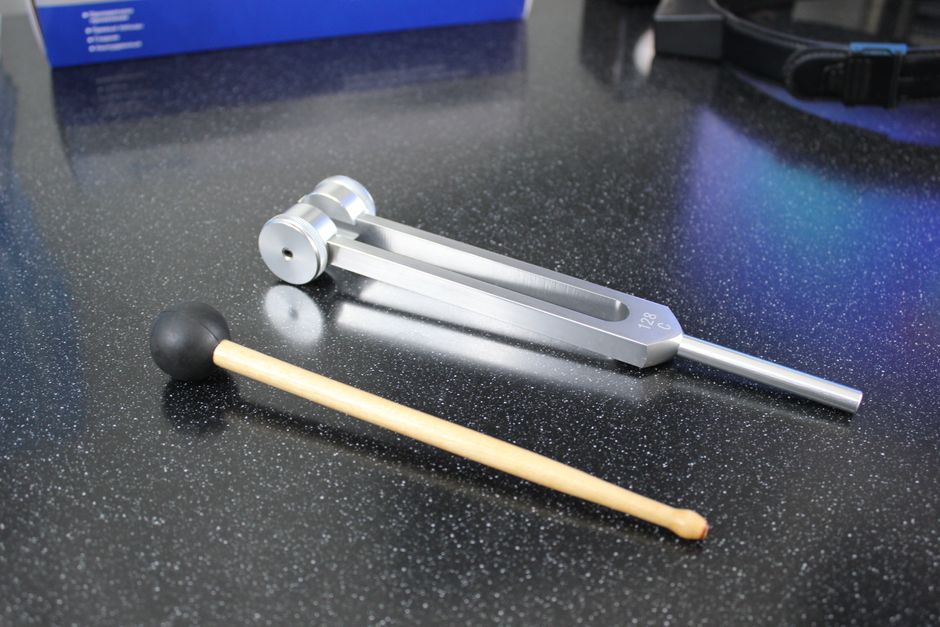
Approaches grouped under this umbrella include:
- Sound and vibration therapy — tuning forks, singing bowls, and low-frequency acoustic devices.
- Pulsed electromagnetic field (PEMF) therapy — devices that emit low-intensity magnetic pulses.
- Biofeedback and resonance systems — hardware that reads physiological signals and returns matched frequencies.
- Photobiomodulation — light at specific wavelengths used to influence cellular function.
- Breathwork and vocal toning — self-directed practices that alter respiratory and nervous system rhythms.
What unites these methods is the idea of resonance: that a carefully chosen frequency can interact with biological systems in a way that supports relaxation, circulation, or cellular repair. It is important to note that “frequency healing” is not a single regulated medical discipline, and claims across the industry vary widely in quality. For a broader survey of complementary approaches, see this overview of natural healing modalities.
How a Modern Bioelectric Wellness Platform Works
The most advanced consumer-facing systems in 2026 combine multiple modalities into a single adaptive session. A platform such as the one offered by PeMF Healing LLC illustrates the category: it describes an ultra-advanced bioelectric wellness platform with more than 16,000 dynamic BioPhi programs and over 1.8 million frequencies, supported by AI guidance, voice scanning, breathwork, and sacred soundscapes.
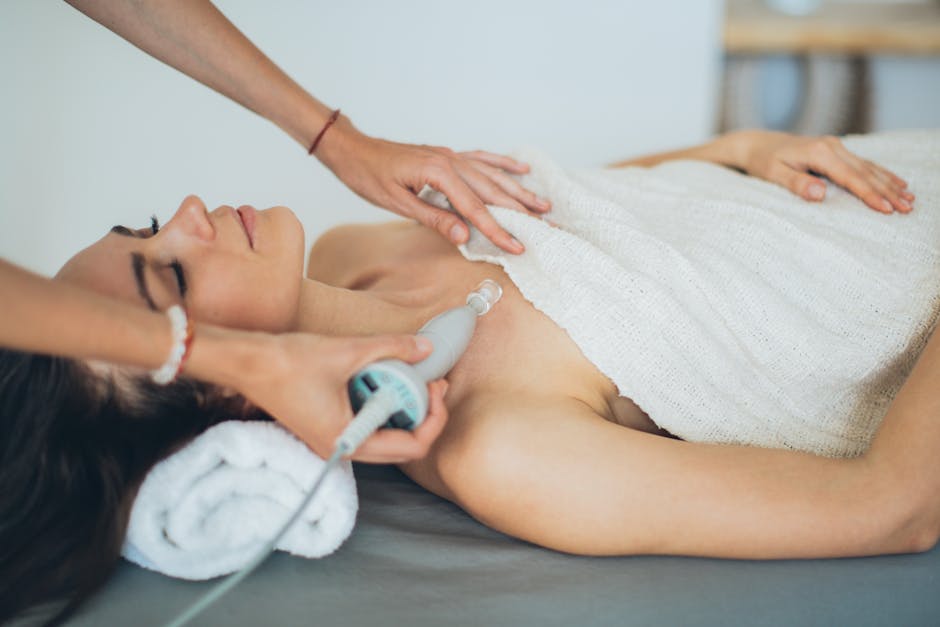
In practice, a session typically unfolds in stages:
- Assessment. Voice scanning and intake questions gather information about stress, sleep, energy, and lifestyle. The system uses this to suggest a starting point rather than a diagnosis.
- Program selection. Rather than a single fixed frequency, the platform draws on thousands of program templates and rotates through variations during a session.
- Delivery. Frequencies are delivered alongside guided breathwork and ambient soundscapes, which are designed to support relaxation and make longer sessions more comfortable.
- Review. Users log subjective impressions — sleep quality, tension, mood — so the AI can adjust future sessions.
The Problem of Cellular Adaptation
One of the more interesting ideas in the field is that static frequencies lose effectiveness over time. Cells are known to adapt to repetitive stimuli; the same signal delivered identically for months may produce diminishing responses. This is why many modern platforms emphasize dynamic program libraries — rotating frequencies, varying timing, and layering soundscapes — to reduce habituation and keep sessions novel. Whether this adaptation is clinically meaningful is still an open question, but the design principle is reasonable and echoes how physical training and cognitive exercises are varied to maintain progress.
AI Guidance and Voice Scanning
Artificial intelligence is now used less as a gimmick and more as a triage and personalization layer. Voice analysis, which examines pitch, pace, and prosody, has been studied as a rough indicator of stress and fatigue. Combined with self-reported data, it allows a platform to recommend programs rather than forcing users to guess. The caveat: AI recommendations are wellness suggestions, not medical assessments, and should be treated accordingly.
The Science: What We Know and What Remains Uncertain
Frequency-based healing sits in a mixed evidence landscape. Several components have genuine research support, while others remain preliminary.
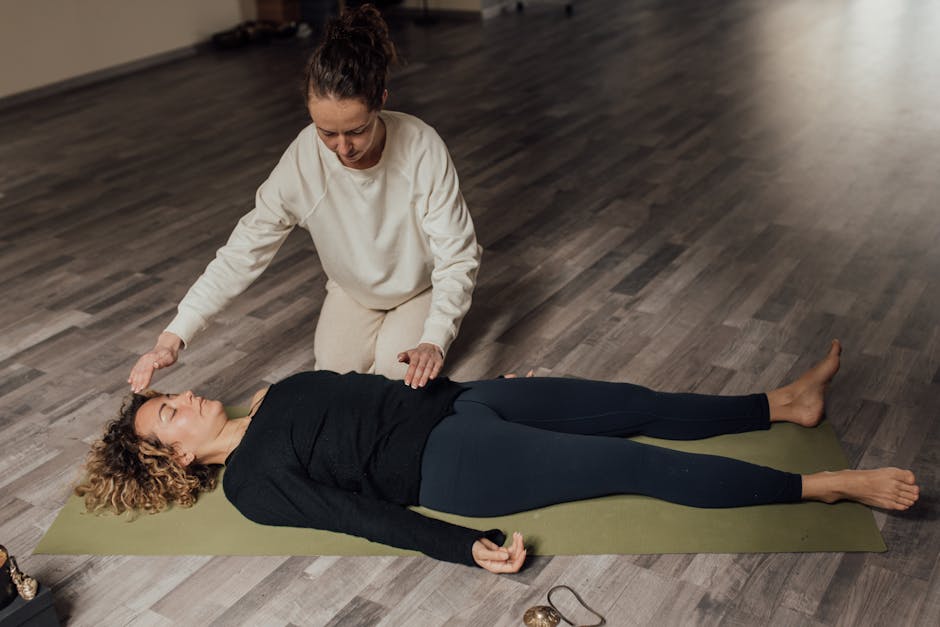
- Sound and music interventions have been associated with reduced anxiety and improved relaxation in many small studies. They are widely used in hospitals and care settings as comfort measures.
- PEMF therapy has been investigated for musculoskeletal pain and bone healing, with some devices cleared by regulators for specific uses. Results vary by device, dose, and condition.
- Breathwork has stronger, more consistent support: slow breathing influences heart rate variability and the autonomic nervous system, which is directly relevant to stress and sleep quality.
- Specific “frequency” claims — such as the idea that a particular Hertz value cures a specific disease — often lack rigorous evidence and should be treated skeptically.
A fair summary in 2026: frequency and resonance platforms appear most credible as relaxation, recovery, and self-regulation tools. They are not a substitute for medical care, and anyone marketing them as a cure for disease is overstepping the evidence. Readers exploring the wider technology landscape may find this guide to vibrational health tools useful for comparing device categories.
Integrating Frequency Healing Into a Healthy Lifestyle
Frequency sessions work best as one element of a broader routine. The fundamentals still matter most, and credible wellness platforms should encourage them rather than compete with them.
Sleep. Regular, sufficient sleep is the foundation of nervous system health. The Sleep Foundation offers extensive guidance on sleep hygiene, which pairs naturally with calming evening sound sessions.
Movement. Physical activity supports circulation, mood, and cellular health. The CDC physical activity guidelines outline evidence-based targets for adults, and the NHS exercise guidance provides practical ways to build activity into daily life.
Stress regulation. Breathwork and soundscapes can be used as short daily resets — five to fifteen minutes in the morning or before bed. Consistency matters more than duration. For a deeper look at acoustic methods, this guide to sound therapy for balance covers the main techniques.
Tracking. Keep a simple log of sleep, tension, and mood for a month. Subjective patterns are often more informative than any single device reading.
Choosing a Frequency Healing Platform Responsibly
With hundreds of devices and apps on the market, discernment is essential. Consider the following when evaluating any system:
- Transparent language. Reputable platforms describe themselves as wellness tools and avoid disease-cure claims.
- Depth of content. A large, varied program library — like the 16,000+ programs and 1.8 million frequencies described by PeMF Healing LLC — suggests the system is designed for personalization rather than one-size-fits-all delivery.
- Adaptive design. Look for dynamic programs that change over time to address habituation.
- Complementary practices. Breathwork, guided audio, and relaxation support add value beyond raw frequency output.
- Safety and contraindications. People with implanted electronic devices, pregnancy, or serious medical conditions should consult a clinician before using electromagnetic or electrical wellness devices.
It is also wise to set realistic expectations. Frequency healing is best viewed as a supportive, experiential practice — something that may help you feel calmer, sleep better, or recover more comfortably — rather than a guaranteed fix. Individual responses vary considerably, and no platform can promise specific outcomes.
Conclusion
Frequency-based healing has matured from a fringe curiosity into a structured wellness category, powered by adaptive technology, AI personalization, and a growing interest in bioelectric approaches to health. Platforms like PeMF Healing LLC’s bioelectric system — with its large dynamic program library, voice scanning, breathwork, and sacred soundscapes — represent the current frontier of consumer-facing resonance tools. The most sensible approach is neither wholesale skepticism nor uncritical enthusiasm: use these tools as part of a balanced lifestyle that includes good sleep, regular movement, and stress management, and always keep medical concerns in the hands of qualified professionals. Used thoughtfully, frequency-based practices can be a pleasant and potentially supportive addition to a holistic wellness routine in 2026.