
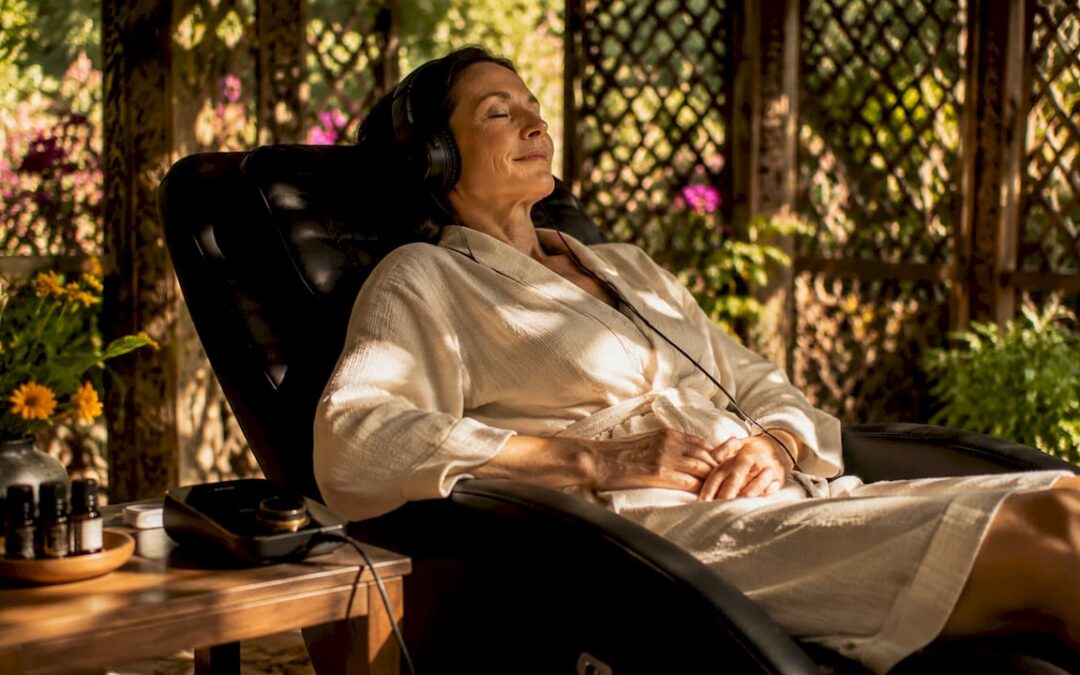
Frequency-based wellness programs are defined as structured therapeutic protocols that use targeted sound, vibration, and electromagnetic frequencies to modulate the nervous system and support whole-body health. The industry term covering this field is “frequency therapy,” which includes modalities like vibroacoustic therapy, binaural beats, and frequency specific microcurrent (FSM). Controlled studies from 2026 report that these approaches achieve pain reductions up to 30%, cortisol decreases by 40%, and sleep quality improvements of 75–80%. Those numbers signal a field that has moved well beyond wellness trend status into measurable clinical territory.
What are frequency-based wellness programs?
Frequency-based wellness programs apply specific sound and vibration frequencies to the body to shift its physiological state. Rather than treating a single symptom, they work at the level of the autonomic nervous system, the bioelectric field, and cellular tissue. Three core modalities define the field today.
Vibroacoustic therapy delivers physical vibrations through a mat, chair, or specialized sound table. The body absorbs these vibrations directly through tissue, which calms autonomic reactivity and reduces tension without any pharmaceutical input.

Binaural beats work through auditory entrainment. Two slightly different tones play in each ear, and the brain generates a third frequency equal to the difference between them. That third frequency guides brainwave activity toward a target state, such as deep relaxation or focused attention.
Frequency specific microcurrent (FSM) delivers micro-amperage electrical current at frequencies matched to specific tissues and conditions. FSM is safe and effective for reducing inflammatory cytokines and calming nervous system overactivity, making it especially useful for people managing complex chronic conditions.
- Vibroacoustic therapy: physical vibration through body tissue
- Binaural beats: auditory brainwave entrainment via stereo headphones
- FSM: micro-electrical current matched to tissue frequencies
- PEMF (pulsed electromagnetic field): electromagnetic pulses that interact with the body’s bioelectric field
- Sound baths: immersive acoustic environments using singing bowls or gongs
Pro Tip: Start with a foundational program that targets your autonomic nervous system before adding symptom-specific sessions. Sequencing matters more than intensity.
What scientific evidence supports frequency wellness therapy?
The research base for vibrational health programs has grown substantially. 40 Hz is the most studied frequency in clinical vibroacoustic therapy, with sessions typically lasting 20–45 minutes. That frequency range corresponds to gamma brainwave activity, which researchers associate with neurological repair, pain modulation, and cognitive clarity.
A large-scale study involving 17,000 participants found that whole-body vibration therapy produced significant antidepressant effects through natural serotonin and dopamine modulation. That is not a small pilot study. It is population-level evidence that vibrational frequency programs affect mood through measurable neurochemical pathways.
“Frequency therapies should be considered modulators of nervous system activity rather than replacements for medical treatments.” — Cedars-Sinai integrative health experts
That caution from Cedars-Sinai is worth holding onto. The evidence is real, but frequency therapy works best as a complement to conventional care, not a substitute for it.
| Modality | Population studied | Key outcome |
|---|---|---|
| Vibroacoustic therapy (40 Hz) | Chronic pain and neurological patients | Up to 30% pain reduction |
| Binaural beats | Stress and anxiety populations | 40% cortisol decrease |
| Whole-body vibration | 17,000 participants, mood disorders | Significant antidepressant effect |
| FSM | Complex chronic illness patients | Reduced inflammatory cytokines |
| Sound baths / acoustic immersion | General wellness populations | 75–80% sleep quality improvement |
The field is still developing standardized protocols. Standard operating procedures for vibroacoustic therapy are actively being developed to move clinical practice toward repeatable, evidence-based outcomes. That standardization gap is the honest limitation of the field right now.
How do different frequency modalities and technologies compare?
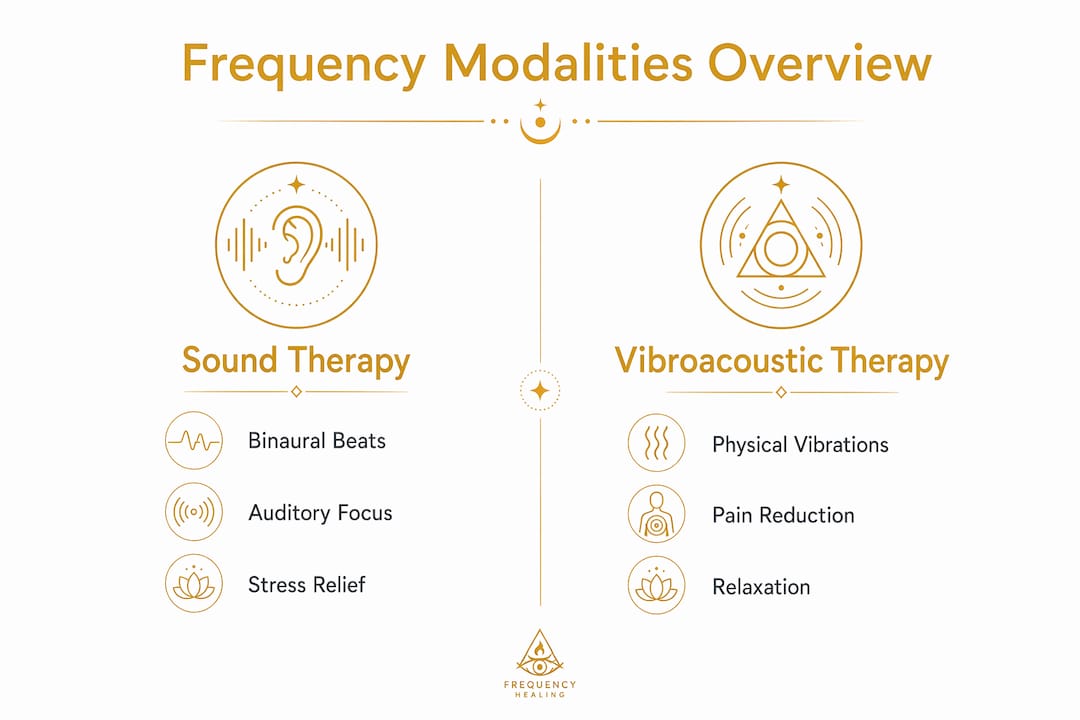
Sound therapy and vibroacoustic therapy differ in a fundamental way. Sound therapy targets the auditory system and uses frequencies to entrain brainwave states. Vibroacoustic therapy bypasses the ears entirely and delivers vibration directly into body tissue. Both modulate the autonomic nervous system, but through different physiological pathways.
Device quality creates a meaningful difference in outcomes. Dual-motor vibration machines deliver a more therapeutic experience than single-motor devices because they produce more complex, tissue-penetrating vibration patterns. The same principle applies to PEMF devices: coil geometry, field strength, and frequency range determine whether a device produces clinical-grade results or surface-level stimulation.
| Modality | Primary mechanism | Typical device | Best use case |
|---|---|---|---|
| Binaural beats | Auditory brainwave entrainment | Stereo headphones | Sleep, focus, meditation |
| Vibroacoustic therapy | Physical tissue vibration | Sound table or mat | Pain relief, nervous system reset |
| FSM | Micro-electrical current | Clinical FSM device | Chronic inflammation, nerve pain |
| PEMF | Electromagnetic field pulses | PEMF coils or mat | Cellular recovery, circulation |
| Sound baths | Acoustic resonance | Singing bowls, gongs | Stress reduction, emotional release |
Personalized frequency protocols outperform one-size-fits-all approaches because each person’s bioelectric signature is different. Platforms like Frequencyhealing address this by offering programs across PEMF, binaural audio, haptic vibration, and scalar brainwave categories, allowing people to build a frequency ecosystem matched to their specific needs.
Pro Tip: Match your technology to your primary goal. Binaural beats with wired headphones work well for daily stress management. PEMF coils and vibroacoustic mats are better suited for physical recovery and deeper nervous system work.
How to integrate frequency programs into your wellness routine
Effective integration follows a clear sequence. Starting with foundational daily programs over the first two weeks, then tapering to maintenance sessions, produces more complete and sustainable outcomes than jumping straight into targeted symptom protocols. Think of it as building a bioelectric foundation before adding specialized layers.
- Weeks 1–2: Run foundational autonomic-calming programs daily. Sessions of 20–30 minutes are sufficient. Focus on nervous system regulation, not symptom chasing.
- Weeks 3–4: Add targeted programs for your primary concern, whether that is sleep, pain, focus, or emotional balance. Keep foundational sessions three times per week.
- Month 2 onward: Shift to a maintenance rhythm. Two to three sessions per week of combined foundational and targeted programs sustains the gains built in the first month.
- Track your response: Note sleep quality, stress levels, and pain scores weekly. Frequency therapy is a modulator. Progress is gradual and cumulative, not immediate.
- Combine with lifestyle anchors: Anti-inflammatory nutrition, consistent sleep timing, and regular movement amplify the effects of any vibrational health program. Frequency therapy does not replace these behaviors. It works with them.
Consult a healthcare provider before beginning frequency therapy if you have a pacemaker, active implants, epilepsy, or are pregnant. FSM and PEMF devices in particular interact with bioelectric systems, and medical clearance is the responsible starting point for anyone with complex health conditions.
Key takeaways
Frequency-based wellness programs produce measurable benefits for relaxation, pain, mood, and sleep when used consistently within a structured, sequenced protocol alongside foundational lifestyle habits.
| Point | Details |
|---|---|
| Core modalities | Vibroacoustic therapy, binaural beats, FSM, and PEMF each work through distinct physiological pathways. |
| Evidence base | Studies show up to 30% pain reduction, 40% cortisol decrease, and 75–80% sleep improvement from frequency therapies. |
| Device quality matters | Dual-motor vibration devices and precision PEMF coils outperform basic single-motor alternatives. |
| Sequence before targeting | Build a foundational autonomic protocol for two weeks before adding symptom-specific sessions. |
| Adjunct, not replacement | Frequency therapy modulates the nervous system. It works best alongside conventional care and healthy lifestyle habits. |
Why I think frequency therapy is misunderstood by most people who try it
Most people approach frequency therapy the same way they approach a supplement. They pick a program, run it a few times, feel nothing dramatic, and conclude it does not work. That is the wrong frame entirely.
Frequency therapy is a nervous system conversation, not a switch. The body adapts to vibrational input over days and weeks, not minutes. The 17,000-participant whole-body vibration study did not measure outcomes after one session. It tracked cumulative neurochemical shifts. That distinction changes everything about how you should approach your first month.
The second mistake I see constantly is skipping device quality. A cheap single-motor vibration plate and a precision-engineered dual-motor system are not the same tool. Expecting clinical outcomes from a consumer-grade device is like expecting surgical results from a kitchen knife. The standardization work happening in vibroacoustic therapy right now is partly a response to this problem. The field needs repeatable protocols and quality benchmarks before it can fully earn mainstream clinical credibility.
What I find genuinely exciting is the direction platforms like Frequencyhealing are moving. Combining PEMF, binaural audio, haptic vibration, and scalar brainwave programs in a single guided ecosystem is not just convenient. It reflects how the body actually works: as an integrated bioelectric system, not a collection of isolated symptoms. Frequency therapy used that way becomes a daily practice, not an occasional experiment.
— Art
Frequencyhealing: guided programs and devices to get started
Frequencyhealing offers a full range of guided frequency programs and compatible hardware for people ready to build a structured practice.
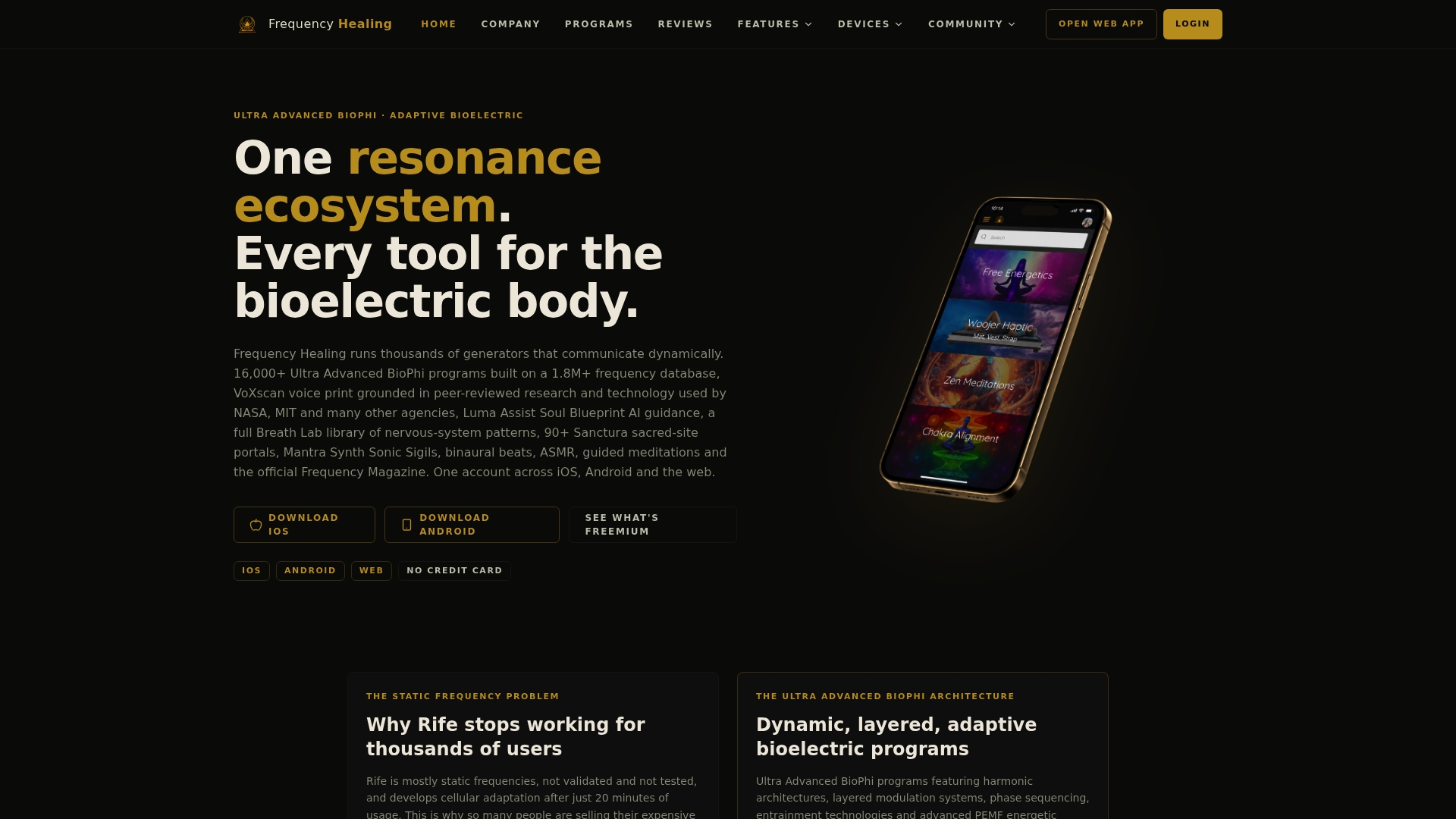
The platform covers PEMF, binaural audio, haptic vibration, and scalar brainwave programs across categories including sleep, recovery, focus, emotional wellness, and nervous system balance. For hardware, PEMF coils and iMprinters let you move beyond headphone-only sessions into full-body frequency delivery. The guided programs library is organized by goal, so you can start with a foundational protocol and build from there without guesswork. Every program is designed to work with the sequenced approach the research supports.
FAQ
What is a frequency-based wellness program?
A frequency-based wellness program is a structured protocol using sound, vibration, or electromagnetic frequencies to modulate the nervous system and support health. Common modalities include binaural beats, vibroacoustic therapy, FSM, and PEMF.
How long does it take to see results from frequency therapy?
Most structured protocols show measurable changes in sleep, stress, and pain after two to four weeks of consistent daily use. Frequency therapy produces cumulative effects, not immediate ones.
Is frequency specific microcurrent (FSM) safe?
FSM is considered safe and gentle for most people, including those with complex chronic conditions. Medical clearance is recommended for anyone with implanted electrical devices.
What frequency is most used in clinical vibroacoustic therapy?
40 Hz is the most studied frequency in clinical vibroacoustic therapy, with sessions typically running 20–45 minutes. It is associated with neurological support and pain modulation.
Can frequency therapy replace conventional medical treatment?
Frequency therapy is a modulator, not a replacement. Cedars-Sinai and other clinical authorities recommend it as a complement to conventional care, not a standalone treatment for diagnosed conditions.