

Resonance Therapy for Well-being
The human body operates as an intricate bioelectric system, with every cell, tissue, and organ communicating through subtle electrical signals and frequencies. When these natural rhythms become disrupted by stress, environmental factors, or lifestyle choices, our well-being suffers. Resonance therapy represents a cutting-edge approach to wellness that works with the body’s inherent electrical nature to restore balance, enhance vitality, and support holistic health in 2026 and beyond.
Understanding Bioelectric Wellness and Frequency Healing
At its core, resonance therapy recognizes that the human body is not merely a chemical system but an electrical one. Our nervous system transmits signals through electrical impulses, our hearts generate measurable electromagnetic fields, and our cells maintain specific electrical potentials across their membranes. When we support these natural electrical processes, we create conditions for optimal health and vitality.

Frequency healing operates on the principle that different frequencies can influence cellular function, energy production, and overall physiological balance. Unlike static approaches that deliver the same frequency repeatedly, advanced resonance therapy platforms utilize dynamic programming that adapts to individual needs and prevents cellular accommodation. This adaptive approach ensures continued effectiveness over time, addressing one of the key limitations of traditional frequency devices.
Modern bioelectric wellness platforms now incorporate sophisticated AI guidance systems that analyze individual responses and customize frequency selections accordingly. These systems can access vast libraries containing tens of thousands of specialized programs targeting specific wellness goals, from stress reduction and improved sleep to enhanced recovery and mental clarity.
The Science Behind Resonance and Cellular Adaptation
One of the most significant challenges in frequency therapy has been cellular adaptation—the tendency of cells to become desensitized to repetitive stimulation. Just as our noses adapt to constant smells or our eyes adjust to unchanging light levels, our cells can become less responsive to static frequencies delivered over time. This phenomenon has limited the long-term effectiveness of many earlier frequency devices.

Advanced resonance therapy overcomes this limitation through dynamic programming that continuously varies frequencies, waveforms, and delivery patterns. With access to over 1.8 million frequencies organized into more than 16,000 distinct BioPhi programs, these systems prevent cellular accommodation by ensuring the body never receives identical stimulation patterns. This variability maintains cellular responsiveness and supports sustained benefits.
The concept of resonance itself is fundamental to how these therapies work. When a frequency matches the natural oscillation of a biological structure—whether a cell membrane, an organ system, or a metabolic process—it can influence that structure more effectively. This principle, observed throughout nature from the atomic to the cosmic scale, provides the theoretical foundation for targeted frequency interventions.
Comprehensive Wellness Applications
Resonance therapy offers applications across multiple dimensions of well-being. For sleep optimization, specific frequency protocols can support the body’s natural circadian rhythms and promote the electrical patterns associated with restorative sleep stages. According to the Sleep Foundation, quality sleep is essential for cognitive function, emotional regulation, and physical health, making sleep-focused interventions particularly valuable.
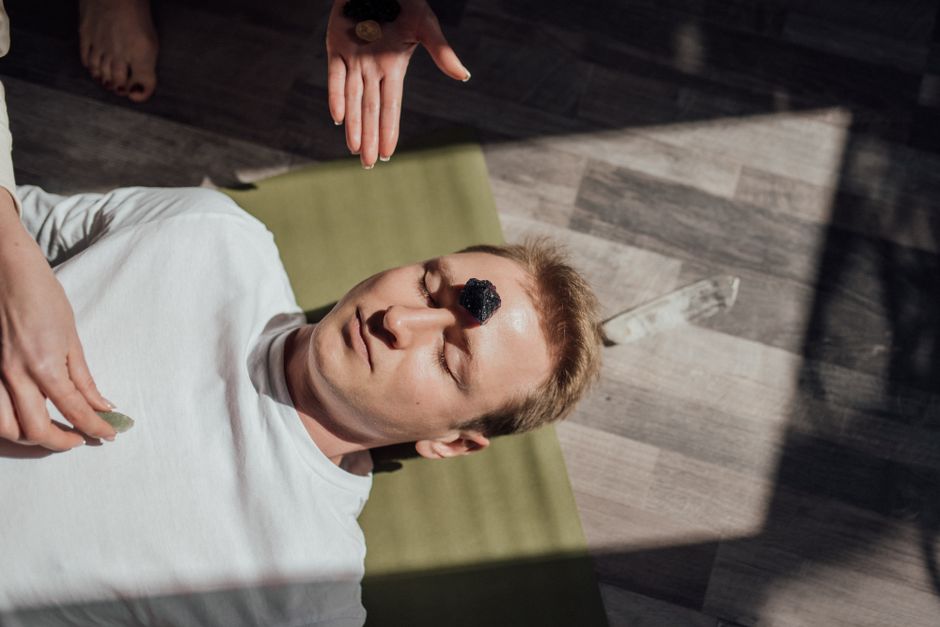
Stress management represents another key application area. Chronic stress disrupts the body’s electrical balance, affecting everything from heart rate variability to immune function. Targeted frequency programs combined with breathwork protocols can help shift the nervous system from sympathetic dominance to parasympathetic activation, supporting relaxation and recovery.
Physical recovery and performance enhancement also benefit from resonance therapy. While maintaining appropriate exercise habits as recommended by the CDC physical activity guidance remains essential, frequency protocols can support faster recovery, reduced inflammation, and improved tissue repair processes. Athletes and active individuals increasingly incorporate these technologies into comprehensive training and recovery programs.
Mental clarity, focus, and cognitive optimization represent emerging applications. Specific frequencies can support brainwave patterns associated with concentration, creativity, or meditation. When combined with voice scanning technology that assesses current energetic states, these systems can deliver precisely calibrated programs matching immediate needs.
Integration of Voice Analysis and AI Guidance
The incorporation of voice scanning technology represents a significant advancement in personalized resonance therapy. The human voice carries information about physiological and energetic states, with subtle variations in frequency, tone, and harmonic content reflecting internal conditions. Advanced AI systems can analyze these vocal patterns to assess current wellness states and recommend appropriate frequency protocols.
This technology enables truly responsive therapy sessions that adapt to daily variations in stress levels, energy, and overall condition. Rather than following predetermined programs regardless of current needs, voice-guided systems can identify imbalances and select from vast program libraries to address specific concerns in real-time.
AI guidance extends beyond voice analysis to encompass comprehensive wellness tracking and program optimization. Machine learning algorithms can identify patterns in individual responses, refining protocol selections over time to maximize effectiveness. This intelligent adaptation ensures that therapy remains aligned with evolving wellness goals and changing life circumstances.
Sacred Soundscapes and Multi-Modal Approaches
Advanced resonance therapy platforms recognize that well-being emerges from multiple integrated modalities working synergistically. Sacred soundscapes—carefully composed audio environments incorporating specific frequencies, harmonics, and rhythmic patterns—create immersive experiences that engage both conscious and subconscious levels of awareness.
These soundscapes often incorporate principles from ancient sound healing traditions while applying modern understanding of psychoacoustics and frequency effects. Binaural beats, isochronic tones, and harmonic layering can guide brainwave patterns, support meditative states, and enhance the effectiveness of underlying frequency programs.
Breathwork integration further amplifies benefits by directly influencing autonomic nervous system function. Guided breathing patterns synchronized with frequency protocols create powerful state shifts, from deep relaxation to energized alertness. As emphasized by NHS exercise guidance, breathing techniques complement physical wellness practices and offer accessible tools for stress management.
The combination of bioelectric frequencies, voice-guided adaptation, sacred soundscapes, and breathwork protocols creates a comprehensive wellness platform addressing physical, mental, emotional, and energetic dimensions simultaneously. This multi-modal approach recognizes the interconnected nature of human well-being and provides tools for holistic transformation.
Implementing Resonance Therapy in Daily Life
Integrating resonance therapy into daily routines supports consistent benefits and long-term wellness optimization. Morning sessions using energizing frequencies and breathwork can replace caffeine dependence while promoting natural alertness and mental clarity. Midday protocols address accumulated stress and support sustained afternoon energy without artificial stimulants.
Evening programs prepare the body for restorative sleep by promoting parasympathetic activation and supporting natural melatonin production. The dynamic nature of advanced platforms means protocols can be adjusted based on daily demands, whether recovering from intense physical activity, managing deadline pressures, or addressing seasonal variations in energy and mood.
Consistency proves more important than session duration. Even brief daily exposures to appropriate frequencies can support cumulative benefits as the body’s electrical systems gradually return to optimal balance. Many users report increased energy, improved sleep quality, reduced stress reactivity, and enhanced overall vitality within weeks of beginning regular practice.
The portability and user-friendliness of modern frequency healing platforms make integration seamless. Whether at home, traveling, or in the workplace, accessing personalized resonance therapy requires only moments to set up and can complement existing wellness practices from meditation to exercise recovery.
Conclusion
Resonance therapy represents a frontier in holistic wellness, offering scientifically-grounded approaches to supporting the body’s natural bioelectric systems. By utilizing dynamic programming across vast frequency libraries, incorporating AI guidance and voice analysis, and integrating complementary modalities like breathwork and sacred soundscapes, advanced platforms overcome previous limitations while delivering personalized, adaptive support for comprehensive well-being. As we continue recognizing the electrical nature of human physiology, resonance therapy provides accessible tools for anyone seeking to optimize health, enhance vitality, and achieve their full wellness potential through natural, non-invasive methods that work with rather than against the body’s inherent wisdom.