
Sound Frequency for Healing
Sound frequency for healing has moved from ancient chant circles to AI-guided wellness platforms. In 2026, researchers, clinicians, and holistic practitioners are exploring how specific vibrations may influence the body’s electrical and nervous systems. This article covers what sound frequency healing is, how it works, what science says, the most common frequencies used, practical ways to try it, and how advanced bioelectric platforms are pushing the field forward.
What Is Sound Frequency Healing?
Sound frequency healing is the practice of using targeted sound waves—delivered through speakers, tuning forks, singing bowls, voice, or specialized devices—to support physical, emotional, and energetic balance. The core idea is that everything in the body vibrates. Cells, tissues, and organs all generate measurable electrical and vibrational activity. When that activity is disrupted by stress, illness, or environmental factors, sound may help nudge it back toward a healthier pattern.
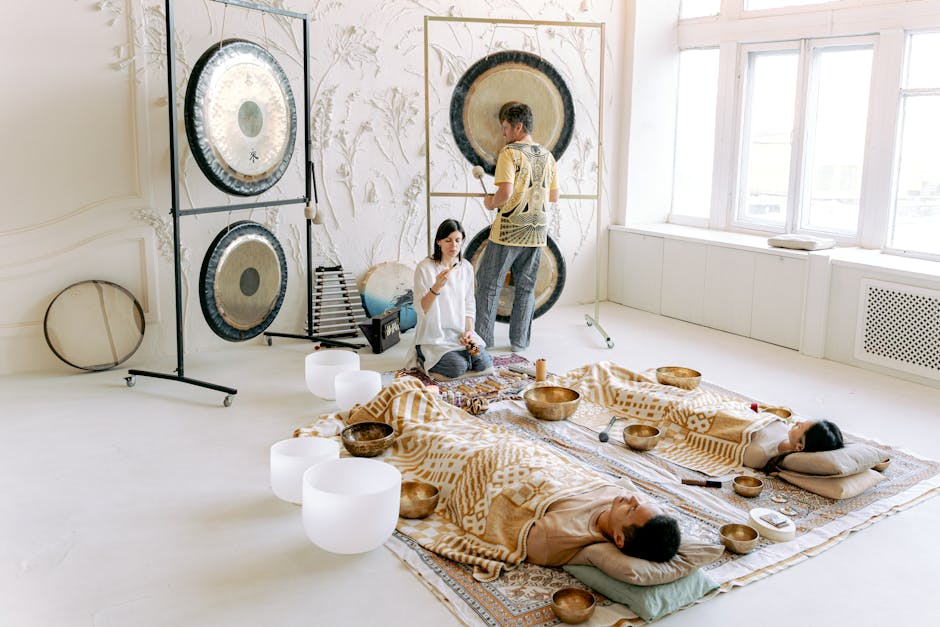
This approach sits at the crossroads of several traditions and disciplines:
- Ancient practices: Tibetan singing bowls, Gregorian chants, and Vedic mantras have used sound for contemplation and healing for thousands of years.
- Modern sound therapy: Practitioners use tuning forks, gongs, and calibrated audio to target specific frequency ranges.
- Bioelectric wellness: Newer platforms combine sound with electromagnetic and electrical signaling to support cellular function.
What sets 2026 apart is the technology. Instead of a single static frequency played on repeat, advanced systems now deliver dynamic, personalized programs that adapt to a user’s real-time readings—voice scans, breath patterns, and biofeedback.
How Sound Frequencies Interact With the Body
At a basic level, sound is mechanical energy. It travels as a pressure wave and can be felt as vibration. When you place a tuning fork on your sternum or sit inside a sound bath, you are not just hearing the tone—you are physically feeling it.

Several mechanisms are proposed for how this might support health:
1. Nervous System Regulation
Slow, rhythmic sound—especially in the 40 Hz to 432 Hz range—may encourage a shift from sympathetic (“fight or flight”) to parasympathetic (“rest and digest”) activity. This is one reason sound is often paired with breathwork and meditation, and it connects closely with the principles behind guided breathwork sessions.
2. Cellular Resonance
Every cell has an electrical charge across its membrane. Some researchers propose that external vibrational inputs can influence membrane potential and cellular communication. This remains an active area of study, but it underpins much of the bioelectric healing field and the growing interest in cellular health support.
3. Brainwave Entrainment
Binaural beats and isochronic tones aim to guide brainwave activity toward alpha, theta, or delta states—associated with relaxation, creativity, and deep sleep.
4. Vagal Tone and Breath
Because sound and breath are linked (think humming or chanting), frequency practices often stimulate the vagus nerve, supporting heart rate variability and emotional resilience.
For a broader look at how lifestyle factors support nervous system health, the NHS exercise guidance is a useful companion resource—movement and sound therapy often work well together.
Common Healing Frequencies and Their Uses
Certain frequencies have become standards in sound healing circles. While not all are backed by robust clinical trials, many have centuries of traditional use and growing anecdotal support.

- 174 Hz: Often described as a foundational tone for pain relief and a sense of safety.
- 285 Hz: Used in energy healing traditions for tissue and aura repair.
- 396 Hz: Associated with releasing fear and guilt.
- 417 Hz: Linked to facilitating change and clearing trauma patterns.
- 432 Hz: A popular alternative tuning said to feel warmer and more natural than standard 440 Hz.
- 528 Hz: The “love frequency,” widely promoted for DNA repair and transformation (claims here are largely theoretical).
- 639 Hz: Focused on relationships, communication, and harmony.
- 741 Hz: Used for detoxification and problem-solving.
- 852 Hz: Associated with intuition and spiritual order.
- 963 Hz: The “God frequency,” linked to unity and higher awareness.
- 40 Hz: Studied in neuroscience contexts for gamma brainwave activity and cognitive support.
Keep in mind that frequency labels like “528 Hz heals DNA” are not established medical facts. They are frameworks within the wellness community. A balanced approach treats them as tools for relaxation and self-regulation, not cures.
The Science: What We Know and What We Don’t
Sound and music therapy have legitimate research backing in several areas:
- Anxiety and stress: Multiple studies show music and sound interventions can lower cortisol and subjective stress.
- Sleep: Slow, predictable sound supports sleep onset. The Sleep Foundation notes that consistent audio routines can improve sleep quality for many people.
- Pain perception: Music therapy is used in hospitals to reduce perceived pain and anxiety before procedures.
- Mood: Rhythmic sound can support emotional processing and mood regulation.
What is less established is the idea that a specific frequency (like 528 Hz) produces a specific biological repair. The evidence there is thin. Responsible practitioners frame frequency healing as complementary—a support for relaxation, recovery, and mind-body balance—not a replacement for medical care.
Physical activity is another pillar of whole-body wellness. The CDC physical activity guidelines recommend adults get at least 150 minutes of moderate movement weekly—an excellent complement to any sound-based practice.
How to Practice Sound Frequency Healing
You don’t need a clinic to start. Here are practical entry points:
- Sound baths: Lie down while singing bowls, gongs, or chimes are played. Sessions typically run 30–90 minutes.
- Tuning forks: Applied to specific points on the body for targeted vibration.
- Binaural beats: Listen with headphones to two slightly different tones; the brain perceives a third, rhythmic beat.
- Humming and chanting: Free, portable, and effective for vagal stimulation.
- Frequency playlists: Curated audio for sleep, focus, or relaxation.
- Breathwork with sound: Pairing paced breathing with toning amplifies the calming effect.
Best practices matter. Keep volume moderate, avoid prolonged headphone use at high levels, and treat sessions as restorative rather than stimulating. Consistency beats intensity—ten minutes daily often outperforms a single long session. Many people now turn to digital frequency programs for wellness to make that daily consistency easier to sustain.
The 2026 Shift: Adaptive Bioelectric Platforms
The biggest evolution in sound frequency healing is personalization. Static playlists have a known limitation: the body adapts. Play the same 528 Hz tone for weeks and the nervous system may stop responding as strongly—a concept called cellular adaptation.
Advanced bioelectric wellness platforms now address this by generating dynamic, ever-shifting frequency programs. Instead of one tone, they cycle through thousands of frequencies calibrated to a user’s profile. Many combine:
- AI guidance: Algorithms that adjust programs based on goals and feedback.
- Voice scanning: Analyzing vocal patterns as a proxy for stress and balance.
- Breathwork integration: Synchronizing tones with guided breathing.
- Sacred soundscapes: Layering traditional healing tones with ambient audio.
- Bioelectric signaling: Supporting the body’s natural electrical environment.
One example is PeMF Healing LLC, which offers an ultra-advanced bioelectric wellness platform featuring over 16,000 dynamic BioPhi programs and 1.8M+ frequencies. Its design centers on AI guidance, voice scanning, breathwork, and sacred soundscapes to support natural electrical balance—explicitly addressing the cellular adaptation problem that limits static-frequency approaches.
For individuals exploring holistic wellness, frequency therapy, and personal development, this represents a meaningful step forward: not just sound, but responsive sound.
Safety, Cautions, and Realistic Expectations
Sound frequency healing is generally low-risk. Still, a few practical cautions apply:
- Epilepsy: Flashing lights or certain rhythmic audio can trigger seizures in sensitive individuals. Consult a doctor first.
- Pregnancy: Avoid very low-frequency or high-intensity vibration devices.
- Pacemakers and implants: If a device involves electrical or electromagnetic fields, get medical clearance.
- Hearing: Keep volumes reasonable; prolonged loud audio can damage hearing.
- Mental health: Sound can surface strong emotions. Have support available if you are processing trauma.
Set realistic expectations. Frequency healing is best viewed as a supportive practice that complements sleep, nutrition, movement, and medical care—not a replacement for any of them.
Conclusion
Sound frequency for healing is a rich, evolving field. It blends ancient wisdom with modern technology, offering accessible tools for relaxation, nervous system regulation, and personal growth. The most credible approach in 2026 is one of balance: use sound to support your body’s natural rhythms, stay curious about the science, and choose adaptive platforms that evolve with you rather than repeating the same tone forever.
Whether you start with a singing bowl, a binaural beat, or an AI-guided bioelectric program with millions of frequencies, the goal is the same—resonance that helps you feel more balanced, calm, and whole.