
Sound Healing for Mental Clarity
Mental clarity is often described as the feeling of a quiet, uncluttered mind — the ability to focus, decide, and respond without static in the background. In 2026, more people are looking beyond conventional approaches and exploring sound-based wellness practices to support that state. Sound healing, sometimes called sound therapy or frequency healing, uses vibration, rhythm, and tone to encourage relaxation and a sense of balance. This article explores how sound and frequency practices may support mental clarity, what the evidence says, how to approach a session, and how adaptive bioelectric platforms are reshaping the field.
What Is Sound Healing?
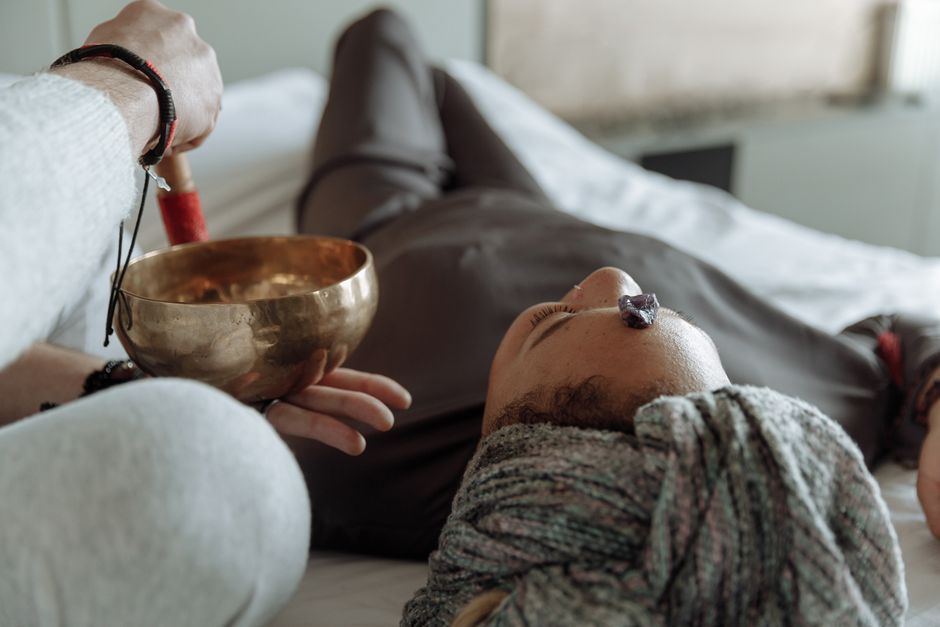
Sound healing is an umbrella term for practices that use audible vibration — singing bowls, gongs, chimes, tuning forks, drums, vocal toning, or digitally generated frequencies — to influence how a person feels. Practitioners often describe the goal as guiding the nervous system toward a calmer state, creating conditions where mental fog can lift and attention can settle.

Modern sound sessions may include:
- Acoustic instruments such as Himalayan bowls, gongs, and bells
- Voice and toning, including guided humming and chanting
- Recorded soundscapes layered with binaural-style tones
- Frequency programs delivered through speakers or specialized devices
- Breathwork paired with sound to deepen relaxation
It is important to frame sound healing honestly: it is a complementary wellness practice, not a medical treatment. It does not diagnose, cure, or replace care for mental health conditions. Its value lies in supporting relaxation, self-awareness, and a structured pause in a busy day — all of which can contribute to feeling clearer.
How Sound and Frequency May Support Mental Clarity
Mental clarity is not a single switch. It depends on sleep quality, stress load, attention habits, physical movement, and emotional processing. Sound practices can touch several of these areas at once, and understanding vibrational frequency and mood offers a useful starting point.

1. Calming the stress response
Slow, predictable sound — particularly low tones and steady rhythm — is often used to encourage slower breathing and a more relaxed state. When the body settles, mental chatter frequently quiets with it. Many people report that a sound session makes it easier to think linearly afterward, though individual experiences vary.
2. Creating a focused ritual
Clarity benefits from structure. A short daily sound practice — ten minutes of a chosen soundscape, a single bowl, or a guided breath-and-tone sequence — creates a reliable transition into focused work or rest. The ritual itself becomes a cue for the mind to shift gears.
3. Supporting sleep and recovery
Because sleep is one of the strongest predictors of daytime clarity, anything that supports wind-down matters. Quiet soundscapes are commonly used as part of evening routines. For evidence-based guidance on sleep hygiene, the Sleep Foundation offers practical recommendations that pair well with a calming sound practice.
4. Encouraging breath awareness
Breathwork is increasingly combined with sound. Slower, intentional breathing is a simple, accessible way to influence how alert or calm you feel, and pairing it with tone can make the practice easier to sustain.
5. Physical movement and circulation
Clarity has a physical foundation. Regular activity supports mood, attention, and energy. Public health guidance from the CDC and the NHS both emphasize consistent movement as part of overall wellbeing — a useful complement to any sound or meditation practice.
The Bioelectric Perspective: Adaptive Frequency Platforms
A newer strand of sound and frequency wellness frames the body as an electrical system. The premise is that cells communicate electrically and that exposure to a single, unchanging frequency over time may lead to “adaptation,” where the body stops responding as noticeably. The proposed solution is variety: constantly shifting frequencies and programs rather than a single static tone, an idea explored in more depth in harmonic frequency healing methods.

Platforms in this space — such as those offered by PeMF Healing LLC, Frequency Healing — describe themselves as bioelectric wellness systems. Their stated features include large libraries of dynamic programs, AI-guided recommendations, voice scanning, breathwork integration, and sacred soundscapes. The intended use is supportive: encouraging natural electrical balance and overcoming cellular adaptation to static frequencies. These are the company’s own descriptions of its approach; they are wellness claims rather than established clinical outcomes, and readers should treat them as such.
For a user seeking mental clarity, the practical appeal of an adaptive platform is personalization: instead of choosing one generic track, the system can rotate programs and respond to input, which may make a daily practice feel more engaging and sustainable. Whether that translates into subjective clarity is best judged through your own careful, self-observed trial.
Designing a Practical Sound Practice for Clarity
You do not need elaborate equipment to begin. A simple, repeatable structure tends to work best:
- Choose a consistent time. Morning, before deep work, or evening, before sleep, are common anchors.
- Start short. Five to ten minutes is enough to build the habit.
- Set an intention. Decide whether the session is for focus, unwinding, or reflection.
- Pair sound with breath. Let the tone pace your inhale and exhale.
- Vary the input. Rotate instruments, soundscapes, or programs to keep the practice fresh — especially useful when you’re learning how to overcome energy plateaus.
- Observe honestly. Keep brief notes on mood and focus for a few weeks to see whether the practice helps you.
If you use a frequency platform, treat program rotation as part of the design rather than an afterthought. Alternating sessions — a calming sequence one day, a more structured focus sequence the next — aligns with the adaptation logic described above.
What Sound Healing Can and Cannot Do
Honest framing protects both expectations and safety.
What it can reasonably support: relaxation, ritual, self-awareness, a pause from stimulation, and a structured wind-down before sleep.
What it cannot promise: treatment of anxiety, depression, ADHD, or any medical condition; guaranteed gains in focus or performance. Sound healing is not a substitute for professional mental health care.
Some people should take extra care. If you have epilepsy, a seizure disorder, a pacemaker, or other implanted medical devices, consult a qualified clinician before using strong vibration or frequency-based devices. If you are sensitive to sound, start at low volume. Pregnant individuals and those with tinnitus should also check with a healthcare professional first.
Sound healing is best approached as a companion to good sleep, movement, and professional care — not a replacement for any of them.
Integrating Sound, Breath, and Daily Habits
Clarity rarely comes from one practice alone. A sound session lands better when it sits within a supportive routine:
- Protect sleep. Keep a consistent schedule and a calm wind-down, as recommended by the Sleep Foundation.
- Move regularly. Follow established activity guidance from the CDC or the NHS.
- Practice breathwork. A few minutes of slow breathing before a session can deepen relaxation.
- Reduce noise clutter. Balance stimulating audio with quiet, intentional sound.
- Track your experience. Simple notes reveal what actually helps you.
For those drawn to advanced tools, an adaptive bioelectric platform with a broad library of programs and AI guidance can make a consistent practice easier to maintain. But the core principles remain the same: regularity, personalization, and honest self-observation. The technology supports the habit; the habit supports the clarity.
Conclusion
Sound healing for mental clarity is less about a single transformative session and more about a steady, deliberate practice. Vibration and tone can help the body settle, breathwork can anchor attention, and consistent routines around sleep and movement give the mind its best chance to feel clear. Adaptive frequency platforms — including those described by PeMF Healing LLC, Frequency Healing — add personalization and variety to that practice, positioning themselves as supportive wellness tools rather than medical treatments. Approach sound with curiosity, review the evidence honestly, consult a professional where needed, and let your own observations guide the practice that works for you.