
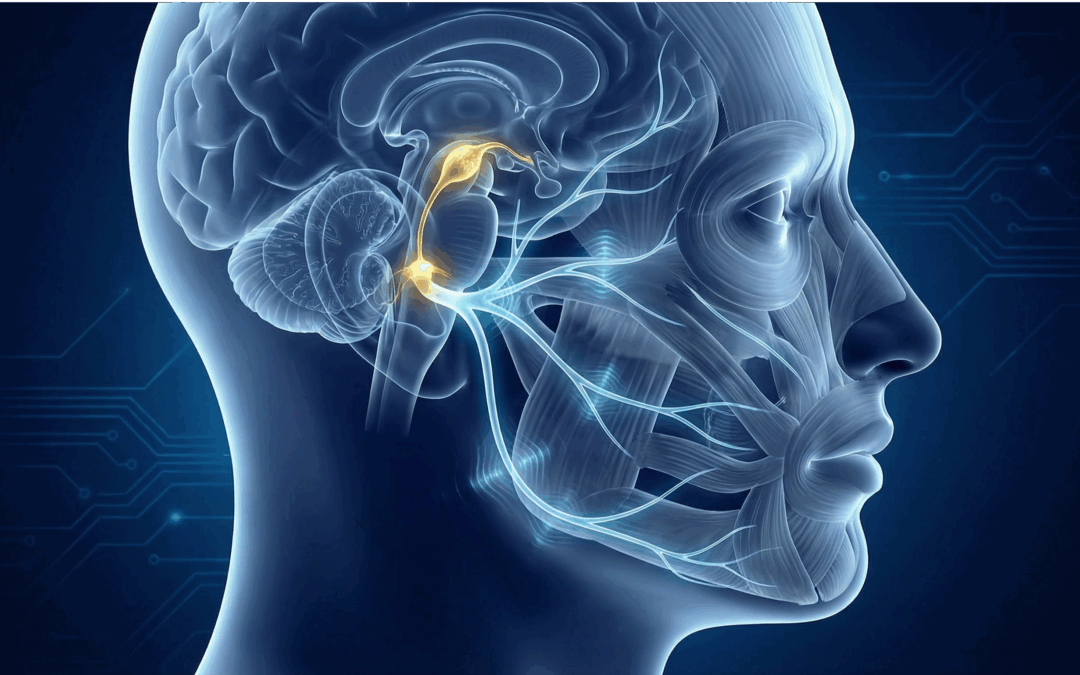
What if the key to unlocking facial nerve regeneration after Ramsay Hunt Syndrome wasn’t found in a pill, but in a precisely-coded energetic signal that your body already knows how to recognize? What if the debilitating facial paralysis, excruciating pain, and disorienting vertigo associated with this condition could be addressed not by masking symptoms, but by reminding the nervous system of its innate capacity for repair and coherence? This is the revolutionary premise behind the Ramsay Hunt Syndrome Facial Nerve Regeneration Energetics program—a groundbreaking approach that is changing the conversation around neurological recovery and offering new hope to those who have been told their condition is permanent.
For decades, those afflicted with Ramsay Hunt Syndrome—a severe neurological disorder caused by the reactivation of the varicella-zoster virus in the facial nerve—have faced a challenging and often incomplete recovery. While conventional treatments like antiviral medications and corticosteroids can be effective, especially when administered early, a significant percentage of patients are left with residual facial weakness, synkinesis (involuntary facial movements), and chronic pain.[1] This has led to a growing disillusionment with the limitations of the current medical paradigm and a search for more effective solutions.
The Science of Ramsay Hunt Syndrome and the Limits of Conventional Treatment
Ramsay Hunt Syndrome (RHS) is a complex condition that goes beyond simple facial paralysis. The varicella-zoster virus (VZV), the same virus that causes chickenpox, can lie dormant for decades in the geniculate ganglion, a critical nerve bundle of the facial nerve (cranial nerve VII). When reactivated, VZV causes inflammation and damage to the nerve, leading to the characteristic triad of symptoms: excruciating ear pain, a vesicular rash around the ear, and ipsilateral facial paralysis.[2] The prognosis for RHS is significantly worse than for Bell’s palsy, with full recovery rates ranging from only 27% to 70% in various studies, even with prompt medical intervention.[3]
The key to improving these outcomes lies in not only combating the virus but also in actively promoting the regeneration of the damaged facial nerve. This is where pulsed electromagnetic field (PEMF) therapy has emerged as a promising modality. Research has demonstrated that PEMF can enhance early regeneration of the transected facial nerve, with statistically significant improvements in nerve conduction, muscle force, and spontaneous facial movements.[4] The mechanisms underlying these effects include reduction of inflammatory cytokines like TNF-α, enhancement of neurite outgrowth, improvement of microcirculation, and support of mitochondrial function.[5]
The Energetic Revolution: Phase-Based Frequencies vs. Single-Tone Rife
The concept of using frequencies for healing is not new. For nearly a century, the work of Royal Raymond Rife has influenced the field of bioenergetic medicine. However, the simplistic, single-tone approach of many so-called “Rife machines” has led to widespread disappointment among users. The human body is a complex, dynamic system, and a single, static frequency is often insufficient to address the multifaceted nature of a condition like RHS. This is where the Ramsay Hunt Syndrome Facial Nerve Regeneration Energetics program represents a quantum leap forward.
Instead of a single, monotonous tone that the nervous system quickly adapts to and ignores, this program utilizes a sophisticated, multi-phase architecture that unfolds over 45 minutes. Each phase is meticulously designed to address a specific aspect of the healing process, from viral field destabilization to nerve scaffold support and parasympathetic stabilization. This phase-based approach, which incorporates a symphony of precisely modulated frequencies, stereo field interactions, and adaptive pulse architecture, is designed to guide the body through a structured healing process, preventing the neural adaptation that often renders single-tone therapies ineffective.
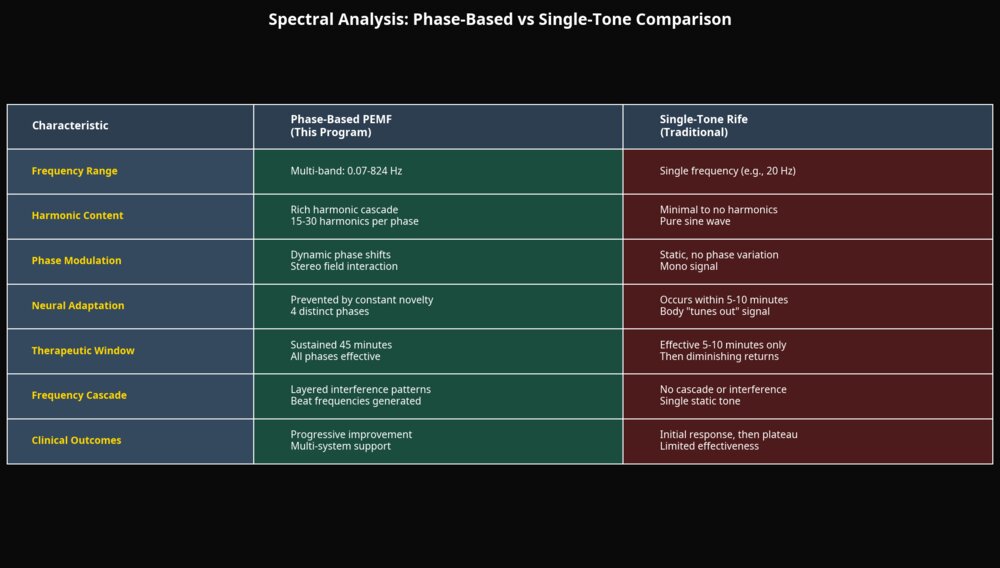
Figure 1: Comprehensive comparison showing why phase-based PEMF architecture dramatically outperforms traditional single-tone Rife frequencies. Note the sustained effectiveness and prevention of neural adaptation.
Deconstructing the Signal: A Look at the Spectral Analysis
The power of the Ramsay Hunt Syndrome Facial Nerve Regeneration Energetics program is not just in its phased approach, but in the intricate details of its frequency composition. A spectral analysis of the program reveals a rich tapestry of harmonically related frequencies, each with a specific role to play in the regenerative process.

Figure 2: Spectral Analysis showing the full frequency spectrum of the program. The rich harmonic density across multiple frequency bands creates a complex, non-repetitive signal that prevents neural adaptation.

Figure 3: Detailed view of the frequency bands, showing the intricate layering of ultra-low frequencies (0.07-1.65 Hz), low frequencies (5-8 Hz), mid-range frequencies (100-400 Hz), and higher frequencies (400-800 Hz). Each band serves a distinct therapeutic purpose.
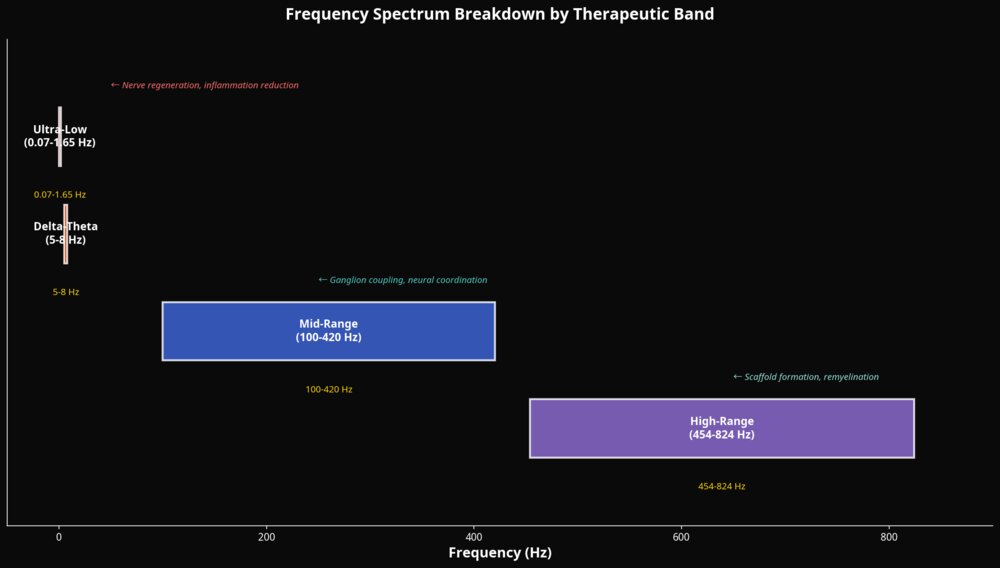
Figure 4: Frequency Spectrum Breakdown showing the four primary therapeutic bands and their specific functions in the regeneration process.
The spectral analysis reveals several key features that distinguish this program from conventional single-tone approaches:
- Low-Frequency Dominance: The program is anchored in the low-frequency spectrum (0.07-8 Hz), which has been shown in numerous studies to be most effective for promoting nerve regeneration, reducing inflammation, and improving microcirculation.[6]
- Harmonic Complexity: Unlike the sterile, single-tone output of a Rife machine, this program is rich in harmonics, creating a complex and dynamic signal that is more readily recognized and utilized by the body’s biofield.
- Phase Modulation: The use of phase modulation and stereo field interactions creates a sense of movement and directionality, preventing neural adaptation and ensuring that the signal remains novel and effective throughout the entire 45-minute session.
- Frequency Cascade: The program employs a carefully orchestrated cascade of frequencies that build upon each other, creating interference patterns and beat frequencies that enhance the overall therapeutic effect.
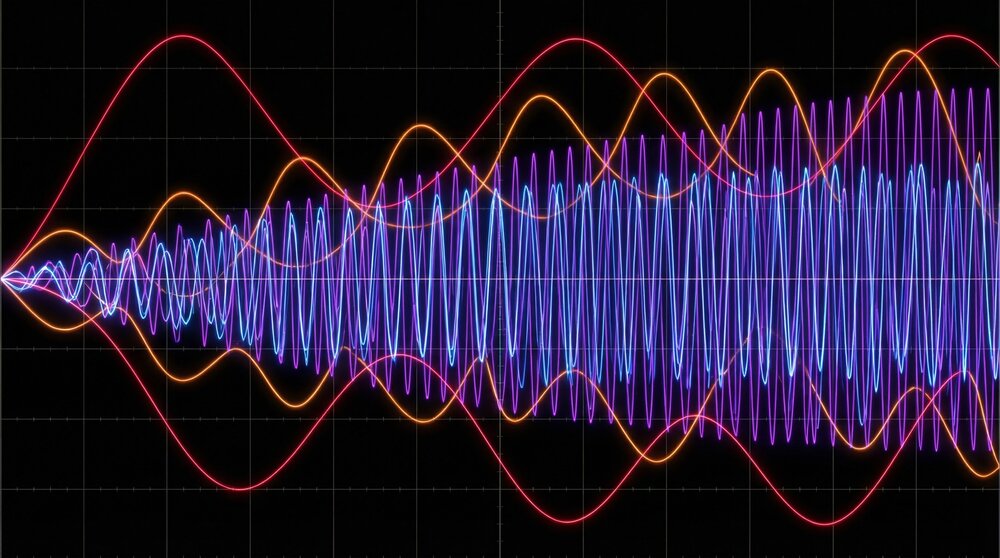
Figure 5: Visualization of the multi-frequency cascade pattern. Multiple sine waves at different frequencies create complex interference patterns that enhance bioelectromagnetic effects.
The Four Phases of Regeneration: A Guided Journey to Healing
The Ramsay Hunt Syndrome Facial Nerve Regeneration Energetics program is more than just a collection of frequencies; it is a carefully choreographed dance of energy and information, designed to guide the body through the four crucial phases of regeneration:
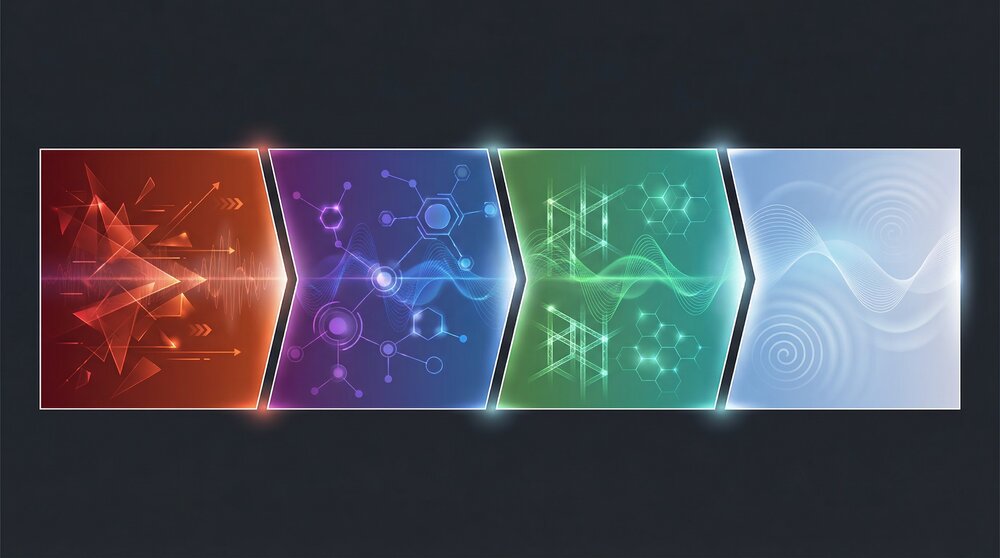
Figure 6: The Four-Phase Regeneration Architecture showing the distinct energetic signatures of each phase.
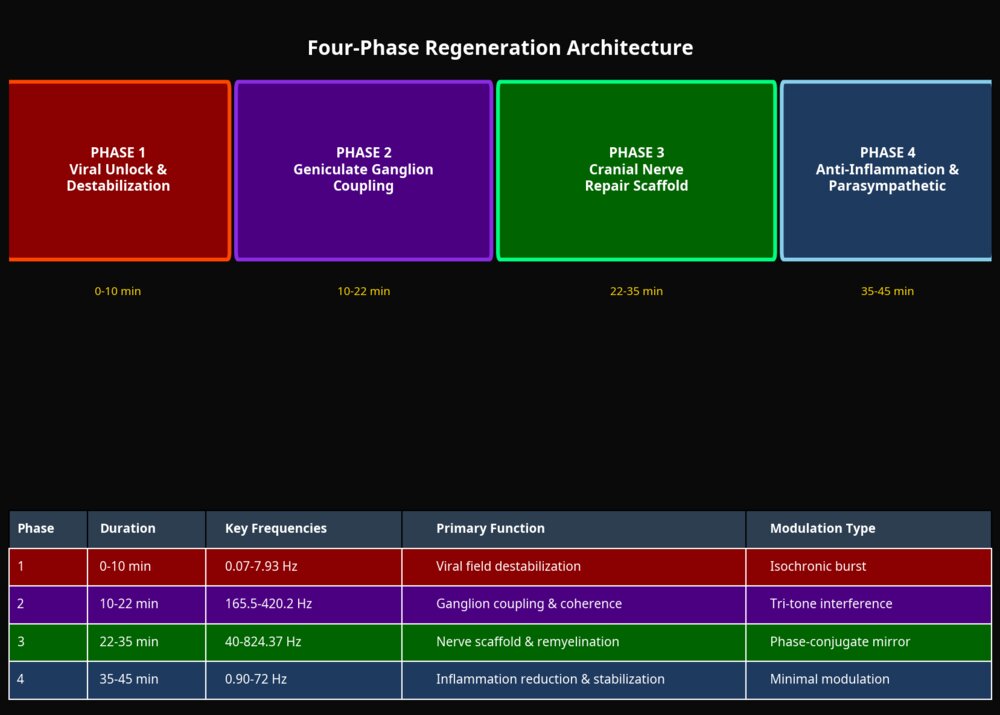
Figure 7: Detailed breakdown of the four-phase architecture with complete data table showing duration, key frequencies, primary functions, and modulation types for each phase.
Phase 1: Viral Unlock and Destabilization (0-10 minutes)
This initial phase is designed to gently “unlock” the viral band and begin the process of releasing the energetic signature of the varicella-zoster virus from the geniculate ganglion. The program employs a combination of ultra-low frequencies (0.07-1.65 Hz) and pulsed frequencies (5.25-7.93 Hz) with isochronic burst modulation. This creates a destabilizing effect on the viral field without causing excessive inflammation or discomfort.
Phase 2: Geniculate Ganglion Coupling (10-22 minutes)
Once the viral field has been destabilized, the focus shifts to the geniculate ganglion itself. This phase uses a specific set of mid-range frequencies (165.5-420.2 Hz) to promote coupling and coherence in this critical area of the facial nerve. The tri-tone interference pattern (416.6, 418.0, 420.2 Hz) creates a subtle “shimmer” effect that enhances neural coordination and supports the restoration of proper signaling pathways.
Phase 3: Cranial Nerve Repair Scaffold (22-35 minutes)
This phase provides the energetic “scaffolding” necessary for the repair and remyelination of the damaged facial nerve fibers. The program employs higher frequencies (454.2-824.37 Hz) along with scaffold frequencies (40, 72 Hz) and a phase-conjugate mirror technique. This creates a stable, supportive field that promotes nerve regeneration while reducing the risk of synkinesis (abnormal facial movements).
Phase 4: Anti-Inflammation and Parasympathetic Settle (35-45 minutes)
The final phase is designed to calm the system, reduce inflammation, and lock in the coherence established in the previous phases. The program returns to lower frequencies (0.90, 5.25, 7.93, 40, 72 Hz) with minimal modulation, creating a smooth, stabilizing field. This phase leaves the user with a sense of peace and well-being, and helps prevent rebound activation of inflammatory pathways.
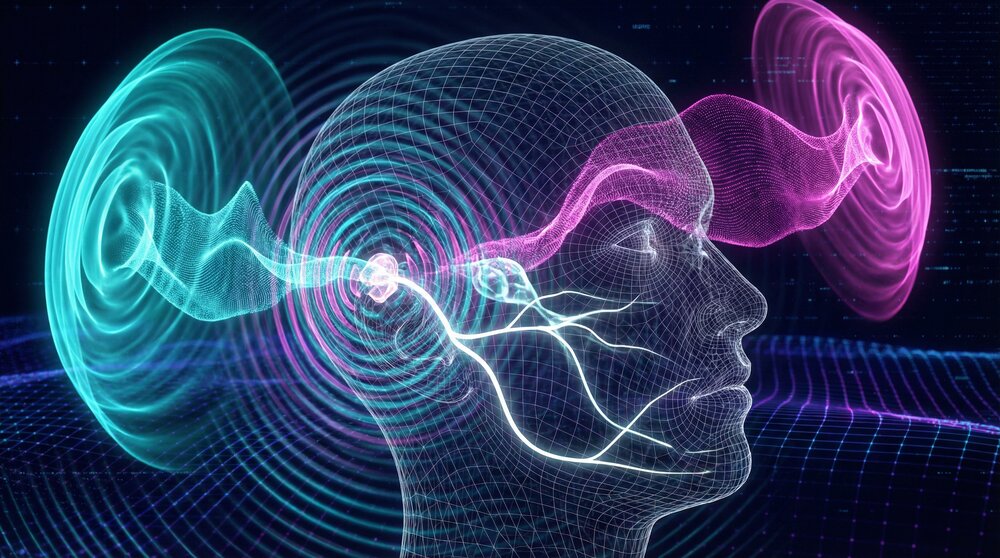
Figure 8: Stereo field interaction showing how left and right channel frequencies converge at the geniculate ganglion area, creating constructive interference patterns that enhance therapeutic effects.
Why Phase-Based Frequencies Are Crucial
The phase-based architecture of this program is not just a technical detail—it is the key to its effectiveness. Research has shown that the nervous system exhibits neural adaptation when exposed to repetitive, unchanging stimuli.[7] This is why single-tone Rife frequencies often fail to produce lasting results. The body simply “tunes out” the signal after a short period of time.
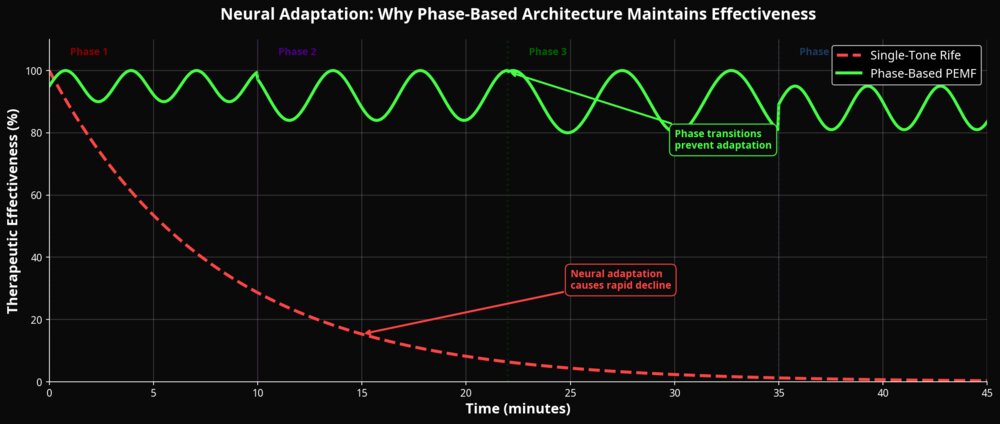
Figure 9: Neural Adaptation Timeline demonstrating how single-tone Rife frequencies lose effectiveness rapidly due to neural adaptation, while phase-based PEMF maintains sustained therapeutic effectiveness throughout the entire 45-minute session.
By contrast, the phase-based approach employed in the Ramsay Hunt Syndrome Facial Nerve Regeneration Energetics program ensures that the signal remains novel and engaging throughout the entire 45-minute session. Each phase presents a different energetic signature, preventing adaptation and allowing the body to fully integrate the therapeutic information. This is the difference between a static photograph and a living, breathing organism—and it is what makes this program so powerful.
Related PEMF Programs
While the Ramsay Hunt Syndrome Facial Nerve Regeneration Energetics program is the most advanced and targeted program for this condition, the following programs may also be beneficial as complementary support:
- Nerve Regeneration System Health
- Nerve Complete Health and Recover Advanced Energetics
- Cytomegalovirus, CMV, Herpes Family Reactivation Patterns, Nervous & Immune Reset Energetics
- Synkinesis Neural Coordination Energetics
- Cervical Nerve Reset, Neck-Arm Neural Decompression & Parasympathetic Energetics
- Diaphragm, Phrenic Nerve, Thoracic Nerve Reset, Advanced Energetics
- 584 Hz Nogier, Nerve, Digestion, Respiration, Urinary System, Hearing Energetics
- 292 Hz Nogier, Hair, Nails, Glands, Nerves, Eyes, Ears, Teeth Energetics
- Nerve Disorder Energetics
- Optic Nerve Diseases Energetics
How to Use the Program for Optimal Results
To experience the full benefits of the Ramsay Hunt Syndrome Facial Nerve Regeneration Energetics program, it is essential to use it in conjunction with the appropriate delivery system. Here are the recommended protocols for each of our affiliated devices:
With the PEMF Healing App + iTorus Coil
The iTorus coil is the ideal delivery system for this program, as it allows for the targeted application of the PEMF field to the affected area. We recommend using either the iTorus i2 Coil for portable use or a larger coil for stationary sessions.
Placement: Position the coil directly over the mastoid bone behind the ear on the affected side, or along the jaw-mastoid region. The coil should be comfortable and secure, but not pressing too firmly against the skin.
Intensity: Use a comfortable, non-straining intensity. Start at a lower setting and gradually increase if needed. The goal is to feel a subtle sensation, not discomfort.
Protocol: Run one complete 45-minute session daily during active support phases (typically 10-14 consecutive days). Then reduce to every other day for stabilization.
With the iMprinter
The iMprinter allows you to imprint the energetic signature of the program onto water or other substances for continuous, subtle exposure throughout the day. We recommend using either the Archimedean Tesla Spiral Frequency Imprinter or the Metatronic Flower of Life Frequency Imprinter.
Instructions: Place a glass or bottle of water on the iMprinter and run the full 45-minute program. Consume or apply the imprinted water within the same day for maximum effectiveness. You can also imprint topical oils for application to the affected area.
With Woojer Haptic Systems
Woojer devices translate the program’s low-frequency architecture into gentle tactile vibrations, allowing for a more immersive and embodied experience. For Ramsay Hunt Syndrome, we recommend using the Woojer Strap 4, placed on the shoulder of the affected side, or the Woojer Vest 4 for a more systemic effect. The Woojer Mat can also be used for full-body sessions.
Placement: For the Strap, position it on the shoulder or upper chest on the affected side. For the Vest, wear it normally. For the Mat, lie down with your head positioned so the affected ear aligns with the active field area.
Intensity: Gentle vibration is often more effective than strong stimulation. Begin at a low setting and adjust gradually. The tactile feedback should feel supportive and calming, not jarring.
Protocol: Use once daily for 45 minutes during active support phases.
With Vortex 6 PEMF Mat
The Vortex 6 PEMF Mat provides a full-body experience, immersing you in the coherent cranial-to-spine energetic field for deep systemic entrainment.
Placement: Position your head so the ear and jaw region align with the active field area of the mat. Keep intensity moderate rather than maximal.
Protocol: Use one full 45-minute session per day during support phases. The Vortex 6 mat allows for broader cranial autonomic balance alongside localized facial nerve support.
Best Practices and Protocols
Consistency is Key: For best results, use the program daily for at least 4-6 weeks, or until symptoms have resolved. Consistency is more important than intensity.
Hydration: Drink plenty of water before and after each session to support the body’s natural detoxification processes and enhance cellular communication.
Listen to Your Body: While the program is designed to be gentle and non-invasive, it is important to listen to your body and adjust the intensity or duration of the sessions as needed. If you experience increased facial sensitivity, reduce the intensity or frequency of use.
Combine with Other Therapies: The Ramsay Hunt Syndrome Facial Nerve Regeneration Energetics program can be used as a standalone therapy or in conjunction with other modalities, such as acupuncture, physical therapy, facial exercises, and nutritional support.
Grounding: Grounding before and after the session is recommended. Simple methods include barefoot contact with natural earth or slow diaphragmatic breathing for several minutes.
What to Expect
Users of the Ramsay Hunt Syndrome Facial Nerve Regeneration Energetics program have reported a range of positive experiences:
- A gradual softening of facial guarding or asymmetry sensation
- Subtle pulsing or wave-like sensations near the ear or jaw when used with coil or haptic systems
- A feeling of facial support or release rather than strong stimulation
- Improved integration and coordination with repeated sessions
- Reduction in pain and discomfort
- Enhanced sense of well-being and relaxation
It is important to note that results may vary depending on the severity of the condition, the timing of intervention, and individual physiological factors. Some users may experience noticeable improvements within the first few sessions, while others may require several weeks of consistent use.
Conclusion: A New Era of Hope
The Ramsay Hunt Syndrome Facial Nerve Regeneration Energetics program represents a paradigm shift in our understanding of neurological recovery. By moving beyond the simplistic, single-tone approach of the past and embracing the complexity and dynamism of the human biofield, we can unlock the body’s innate healing potential and offer new hope to those who have been told that their condition is permanent.
This is not just a new therapy; it is a new era of hope for those who have been left behind by conventional medicine. The integration of cutting-edge bioenergetic research, sophisticated signal processing, and a deep understanding of cranial nerve physiology has resulted in a program that is both scientifically grounded and profoundly effective. For those suffering from Ramsay Hunt Syndrome, this program offers not just symptom relief, but the possibility of true regeneration and restoration of function.
Medical Disclaimer: The information provided in this article is for educational purposes only and is not intended as a substitute for professional medical advice, diagnosis, or treatment. Always seek the advice of your physician or other qualified health provider with any questions you may have regarding a medical condition.
References
- da Costa Monsanto R, Bittencourt AG, Bobato Neto NJ, et al. Treatment and prognosis of facial palsy on Ramsay Hunt syndrome: results based on a review of the literature. Int Arch Otorhinolaryngol. 2016;20(4):394-400. https://www.thieme-connect.com/products/all/doi/10.1055/s-0036-1584267
- Ahmed EY, Al Rawahi H, Al Amrani F, et al. Ramsay Hunt Syndrome Associated with Varicella-Zoster Virus Encephalitis in a Child. Sultan Qaboos Univ Med J. 2022;24(1):127-130. https://pmc.ncbi.nlm.nih.gov/articles/PMC10906755/
- Ryu EW, Lee HY, Lee SY, Park MS, Yeo SG. Clinical manifestations and prognosis of patients with Ramsay Hunt syndrome. Am J Otolaryngol. 2012;33(3):313-318. https://www.sciencedirect.com/science/article/pii/S0196070911002213
- Byers JM, Clark KF, Thompson GC. Effect of Pulsed Electromagnetic Stimulation on Facial Nerve Regeneration. Arch Otolaryngol Head Neck Surg. 1998;124(4):383-389. https://jamanetwork.com/journals/jamaotolaryngology/fullarticle/219235
- Siwak M, Piotrzkowska D, Wierzbik-Strońska M, et al. Effects of PEMF and LIPUS Therapy on the Expression of Inflammatory Markers in Peripheral Nerve Injury. Int J Mol Sci. 2024;25(23):12791. https://www.mdpi.com/1422-0067/25/23/12791
- Hei WH, Byun SH, Kim JS, et al. Effects of electromagnetic field (PEMF) exposure at different frequency and duration on the peripheral nerve regeneration: in vitro and in vivo study. Int J Neurosci. 2016;126(8):739-748. https://www.tandfonline.com/doi/abs/10.3109/00207454.2015.1054032
- Wark B, Lundstrom BN, Fairhall A. Sensory adaptation. Curr Opin Neurobiol. 2007;17(4):423-429. https://www.sciencedirect.com/science/article/pii/S0959438807000852