

Cellular Regeneration Technology in 2026
The human body contains approximately 37 trillion cells, each constantly working to maintain health, repair damage, and sustain life. Cellular regeneration technology has emerged as a revolutionary approach to wellness, leveraging bioelectric frequencies and resonance to support the body’s innate healing capabilities. As we advance through 2026, the integration of artificial intelligence, adaptive frequency delivery, and personalized wellness protocols has transformed how we understand and optimize cellular health.
Cellular regeneration refers to the body’s natural ability to replace damaged or dying cells with healthy new ones. This process occurs continuously throughout our lives, but its efficiency can be compromised by stress, environmental factors, poor nutrition, and aging. Modern cellular regeneration technology aims to enhance this biological process by supporting the electrical environment in which cells operate, creating optimal conditions for natural healing and renewal.
The Science Behind Bioelectric Cellular Communication
Every cell in the human body operates as a tiny electrical generator, maintaining a voltage across its membrane that is essential for proper function. This cellular voltage, typically around -70 millivolts in healthy cells, enables nutrient absorption, waste elimination, and communication with neighboring cells. When cellular voltage drops due to stress, toxins, or disease, cells lose their ability to function optimally, leading to reduced regeneration capacity and health challenges.
Bioelectric wellness technology works by supporting the body’s natural electrical field through specific frequency patterns. These frequencies interact with cellular membranes, potentially helping to restore optimal voltage levels and enhance the conditions necessary for regeneration. Unlike static frequency approaches that the body may adapt to over time, advanced systems in 2026 utilize dynamic, constantly evolving frequency patterns that prevent cellular adaptation and maintain effectiveness.
The bioelectric field of the body is not random—it follows precise patterns that correlate with different physiological states. Research continues to explore how specific frequency combinations may influence cellular behavior, gene expression, and the regenerative processes that underlie healing. By working with these natural electrical patterns rather than against them, modern frequency technology creates an environment where cells can perform their regenerative functions more efficiently.
Advanced Frequency Healing Platforms
The evolution of frequency healing technology has accelerated dramatically in recent years. Contemporary platforms like those offered by PeMF Healing LLC represent a quantum leap beyond earlier generation devices. With access to over 16,000 dynamic BioPhi programs and more than 1.8 million frequencies, these systems provide unprecedented personalization and adaptability in supporting cellular wellness.
What distinguishes advanced platforms in 2026 is their integration of artificial intelligence guidance systems. These AI-driven protocols analyze individual responses and adjust frequency delivery in real-time, creating truly personalized wellness experiences. Voice scanning technology adds another dimension, assessing subtle variations in vocal patterns that may reflect energetic imbalances or areas requiring support. This multi-modal approach ensures that frequency delivery is optimized for each individual’s unique bioelectric signature.
The inclusion of breathwork protocols and sacred soundscapes further enhances the regenerative environment. Controlled breathing patterns influence autonomic nervous system function, creating physiological conditions more conducive to healing. When synchronized with specific frequencies, these techniques create a synergistic effect that supports deeper cellular renewal. The integration of multiple modalities—frequency, sound, breath, and AI guidance—represents the comprehensive approach to wellness that defines modern cellular regeneration technology.
Overcoming Cellular Adaptation Challenges
One of the most significant challenges in frequency-based wellness has been the phenomenon of cellular adaptation. When exposed to static, unchanging frequencies, cells eventually become habituated to the stimulus, reducing the effectiveness of the intervention over time. This adaptation mechanism, while protective in many biological contexts, has limited the long-term benefits of earlier frequency devices.
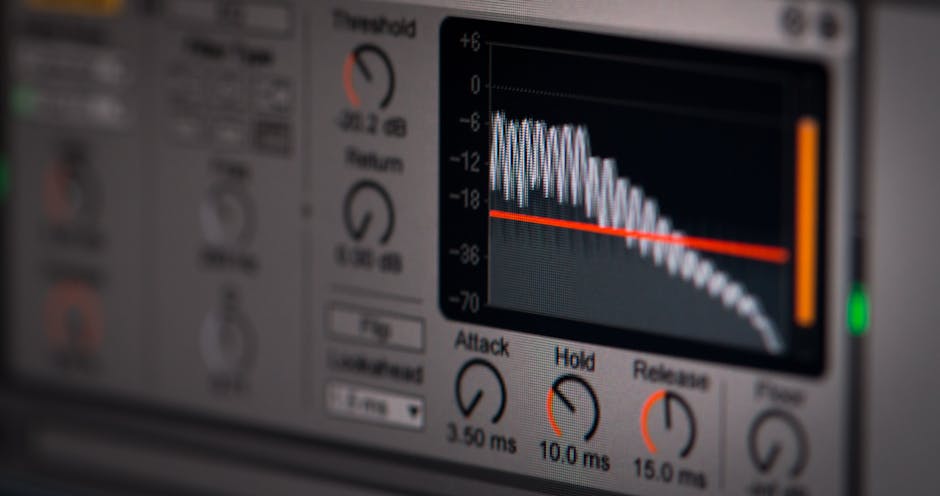
The solution lies in dynamic frequency modulation—constantly varying the waveforms, intensities, and patterns to prevent habituation. Advanced systems employ sophisticated algorithms that ensure no two sessions are identical, maintaining cellular responsiveness and preventing adaptation. This approach mirrors the natural variability found in healthy biological systems, where rigid patterns typically indicate dysfunction while adaptive flexibility characterizes optimal health.
By utilizing vast libraries of frequency combinations and AI-driven selection processes, modern platforms maintain therapeutic effectiveness over extended periods. The system continuously learns from user responses, refining its protocols to deliver increasingly personalized support. This adaptive intelligence represents a fundamental advancement in how technology can support natural healing processes without diminishing returns.
Holistic Integration for Optimal Wellness
Cellular regeneration technology works most effectively when integrated into a comprehensive wellness lifestyle. While frequency therapy provides powerful support for cellular health, it functions best alongside other foundational wellness practices. Physical activity remains essential for overall health and cellular vitality. The CDC recommends at least 150 minutes of moderate-intensity aerobic activity weekly for adults, combined with muscle-strengthening activities on two or more days per week.
Quality sleep represents another critical pillar of cellular regeneration. During deep sleep stages, the body activates numerous repair and renewal processes at the cellular level. According to the Sleep Foundation, adults should aim for seven to nine hours of quality sleep nightly to support optimal health. Frequency technology can complement healthy sleep patterns by promoting relaxation and supporting the body’s natural circadian rhythms.
Nutrition provides the raw materials for cellular regeneration, while stress management protects cells from damaging inflammatory responses. The NHS emphasizes the importance of regular physical activity not only for physical health but also for mental wellbeing and stress reduction. When bioelectric wellness technology is combined with these lifestyle foundations, the synergistic effects create optimal conditions for sustained cellular health and regeneration.
Personalized Resonance-Based Solutions
The future of cellular regeneration technology lies in increasingly sophisticated personalization. Each individual possesses a unique bioelectric signature influenced by genetics, lifestyle, environmental exposures, and health history. Generic, one-size-fits-all approaches cannot address this inherent variability effectively. Advanced platforms in 2026 recognize this reality by offering adaptive systems that respond to individual needs in real-time.
Voice scanning technology exemplifies this personalized approach. Subtle characteristics in vocal patterns—frequency distributions, harmonic content, and temporal variations—can reflect underlying energetic states. By analyzing these patterns, AI systems can identify areas that may benefit from specific frequency support, creating customized protocols tailored to the individual’s current state rather than applying predetermined formulas.
This level of personalization extends beyond initial assessment to continuous optimization. As users engage with the system over time, machine learning algorithms identify patterns in responses, preferences, and outcomes. The platform evolves alongside the user, refining its recommendations and protocols to deliver increasingly relevant support. This dynamic relationship between technology and user represents a fundamental shift from passive treatment to active collaboration in the wellness journey.
The Future of Cellular Wellness Technology
As we progress through 2026 and beyond, cellular regeneration technology continues to evolve rapidly. The integration of quantum computing may soon enable even more sophisticated frequency calculations and real-time biological feedback systems. Wearable sensors that continuously monitor bioelectric parameters could provide seamless integration between daily life and frequency support, adjusting protocols automatically based on physiological needs.
The convergence of biotechnology, artificial intelligence, and quantum physics promises to deepen our understanding of cellular communication and regeneration. As research advances, we may discover new frequency combinations and delivery methods that enhance the body’s regenerative capacity in ways not yet imagined. The potential for preventive wellness—supporting optimal cellular function before dysfunction manifests—represents a paradigm shift in how we approach health.
Accessibility and education will play crucial roles in the widespread adoption of these technologies. As platforms become more user-friendly and evidence-based understanding grows, frequency-based cellular regeneration may transition from alternative wellness practice to mainstream health optimization strategy. The democratization of advanced wellness technology empowers individuals to take active roles in their cellular health, supported by sophisticated systems that adapt to their unique needs.
Conclusion
Cellular regeneration technology represents a convergence of ancient wisdom about energy and healing with cutting-edge scientific understanding of bioelectric processes. Advanced platforms that incorporate dynamic frequency libraries, AI guidance, voice scanning, and holistic modalities offer unprecedented opportunities for supporting natural cellular renewal. By preventing adaptation through constantly evolving protocols and personalizing delivery based on individual bioelectric signatures, these systems address longstanding limitations of earlier frequency devices. As we embrace the wellness possibilities of 2026, cellular regeneration technology stands as a powerful tool for those seeking to optimize their health through resonance-based, bioelectric approaches that work in harmony with the body’s innate healing intelligence.