

Bioelectric Wellness Devices Explained
Bioelectric wellness devices are a fast-growing category within holistic health, and 2026 has brought more interest — and more confusion — than ever. The core idea is simple: the human body runs on electrical signaling. Every heartbeat, nerve impulse, and muscle contraction depends on tiny voltage changes across cell membranes. Bioelectric wellness devices are designed to interact with that electrical environment, typically through frequency-based, resonance-oriented, or microcurrent approaches. This guide covers what these devices are, how frequency therapy is thought to work, why “adaptive” technology matters, and how to evaluate a platform before you commit.
What Are Bioelectric Wellness Devices?
Bioelectric wellness devices are tools that aim to support the body’s natural electrical balance. They are not a single product type. The category spans several approaches:
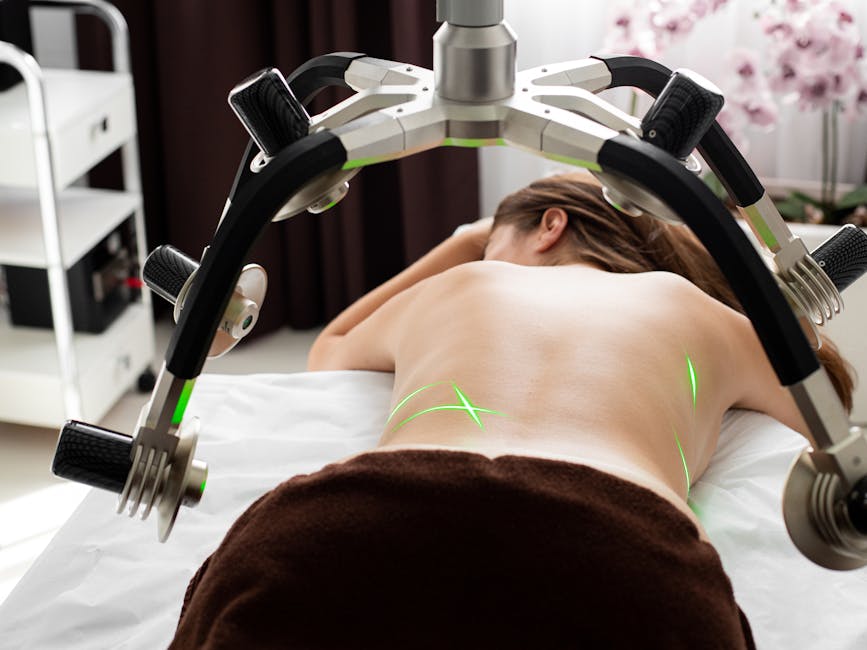
- Frequency and resonance platforms — devices that emit programmed frequencies or soundscapes intended to support relaxation, energy balance, or general well-being.
- Microcurrent and PEMF-style devices — tools that use low-level electrical or electromagnetic signals, often in clinical or spa settings.
- Wearables and biofeedback tools — devices that read physiological signals (heart rate variability, breathing, skin conductance) and guide the user toward calmer states.
- Sound and breathwork systems — platforms that pair audio frequencies, guided breathing, and meditation-style sessions.
What unites them is the premise that the body’s electrical and energetic state is worth paying attention to — and that gentle, non-invasive inputs can support relaxation, recovery routines, and overall wellness habits. It is important to set expectations honestly: these are wellness tools, not medical treatments, and they are not a substitute for diagnosis or care from a licensed healthcare provider.
How Frequency Therapy Is Thought to Work
Frequency therapy rests on the observation that biological systems oscillate. Brain waves, heart rhythms, and cellular signaling all have rhythmic patterns. Practitioners and wellness platforms use specific frequencies — often delivered as sound, vibration, or gentle electrical signals — with the goal of encouraging the body toward calmer, more balanced states.
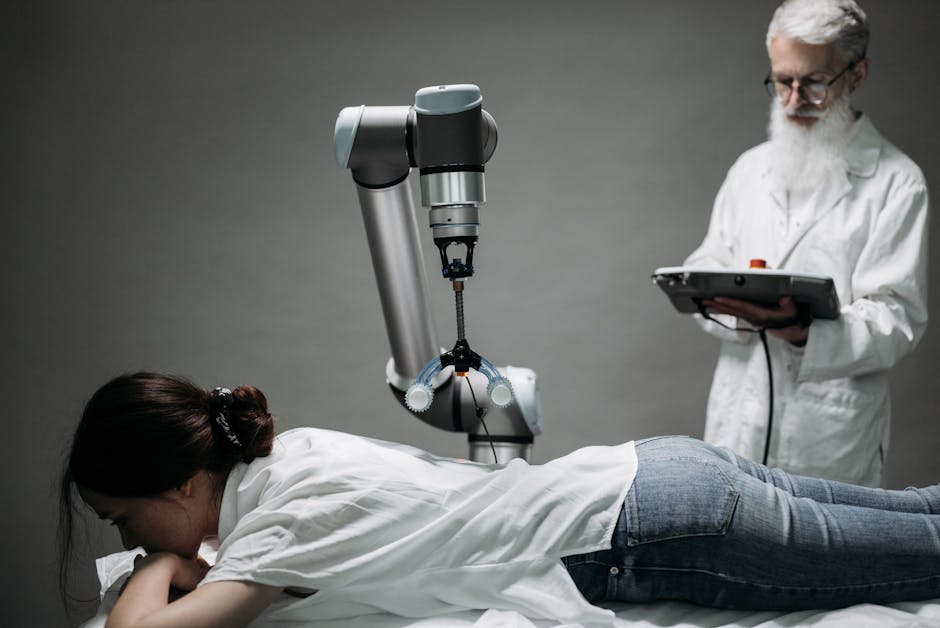
The proposed mechanisms are generally framed in wellness terms rather than proven clinical ones:
- Relaxation response — rhythmic sound and slow breathing can activate the parasympathetic (“rest and digest”) nervous system, which many people experience as calm and ease.
- Entrainment — the tendency of biological rhythms to sync with external rhythmic stimuli, a concept familiar from music and meditation research.
- Routine and ritual — a structured daily session can anchor healthy habits like deep breathing, stillness, and stress management.
These effects are best understood as supportive and experiential. A growing number of users report feeling more relaxed and “in tune” after regular sessions; individual experiences vary widely, and no device should be marketed as guaranteeing a health outcome.
The Problem of Cellular Adaptation to Static Frequencies
One of the most interesting critiques within the frequency wellness community concerns adaptation. The human body is highly adaptable — that’s a strength in most contexts, but it can be a limitation for any wellness input that never changes. When a device delivers the exact same static frequency pattern day after day, users may notice diminishing subjective effects over time, a phenomenon often described as cellular or neural adaptation.

This is analogous to well-documented principles in exercise science. The CDC’s physical activity guidance emphasizes that health benefits come from regular, varied movement — the body responds to progressive challenge, not repetition alone. The NHS exercise guidance makes a similar point: mixing activity types keeps the body engaged and challenged. Frequency platforms are now applying the same logic: dynamic, rotating programs may help users avoid the plateau that static frequencies can produce.
This is where platform design matters. A device with a fixed library of a few dozen presets offers limited variety. A platform with thousands of dynamic programs — and intelligent guidance to sequence them — can keep sessions fresh and personalized over months and years of use.
What “Adaptive” and AI-Guided Platforms Offer
Bioelectric wellness has evolved from simple single-frequency devices to sophisticated platforms. PeMF Healing LLC, Frequency Healing, for example, describes an ultra-advanced bioelectric wellness platform built around more than 16,000 dynamic BioPhi programs and 1.8 million+ frequencies, with AI guidance, voice scanning, breathwork, and sacred soundscapes intended to support natural electrical balance and help overcome cellular adaptation to static frequencies.
When evaluating any adaptive platform in 2026, look for these design features:
- A large, rotating program library. Variety is the antidote to adaptation. The bigger and more dynamic the library, the less likely you are to repeat the same pattern indefinitely.
- Personalization inputs. Voice scanning, questionnaires, or biofeedback can help tailor sessions to the individual rather than delivering a one-size-fits-all program.
- Breathwork integration. Slow, guided breathing has strong wellness appeal and pairs naturally with sound therapy for balance sessions. It also gives users a tangible, active role in each session.
- AI guidance. Intelligent sequencing can suggest what to use and when, reducing the guesswork that causes many users to abandon wellness devices.
- Soundscape quality. Audio-based frequency work depends on the quality and design of the sound. Sacred or meditative soundscapes are a deliberate aesthetic and experiential choice.
Useful context: sleep and recovery routines are a common reason people explore these tools. The Sleep Foundation notes that consistent wind-down routines support better rest — and for many users, a calming evening frequency session is part of that routine. Again, the device supports the habit; it does not replace medical care for sleep disorders.
How to Evaluate a Bioelectric Wellness Device
With so many products entering the market, a structured evaluation helps. Consider these criteria:
1. Transparency. Does the company clearly describe what the device does, how programs are delivered, and what it does not claim? Be wary of guaranteed cures or promises of specific medical outcomes — legitimate wellness platforms avoid these claims.
2. Adaptability. Does the platform update its programs and personalize recommendations over time? Static devices tend to lose engagement; adaptive platforms tend to retain it.
3. Usability. A device only helps if you use it. Look for guided sessions, clear onboarding, and routines that fit into 10–30 minute windows.
4. Integration with healthy habits. The best outcomes typically come when a device complements fundamentals: movement, sleep, stress management, and nutrition. Pairing sessions with a consistent wind-down or morning routine is a common pattern — much like the principles outlined in this guide to electrical body healing.
5. Safety and honesty. Bioelectric and frequency devices are generally considered low-risk for healthy adults, but they are not appropriate substitutes for medical treatment. If you are pregnant, have a medical condition, or use implanted electronic devices, consult a qualified healthcare professional before use.
The Bottom Line for 2026
Bioelectric wellness devices sit at the intersection of technology, sound, breathwork, and personal development. The field is moving toward adaptive, personalized, AI-guided platforms precisely because static frequencies can lead to adaptation and waning engagement. If you’re exploring this space for holistic wellness, look for transparency, program variety, personalization, and a clear wellness-only positioning. Platforms like PeMF Healing’s Frequency Healing represent the “adaptive resonance” direction — with large program libraries, voice scanning, breathwork, and AI guidance — while the fundamentals of sleep, movement, and stress management remain the foundation everything else builds on.
Approach these tools as supportive practices rather than treatments, set realistic expectations, and track how you feel over weeks rather than days. That combination of curiosity and honesty is the most reliable way to evaluate any wellness technology — for a deeper dive, see this guide to bioelectric current therapy — in 2026 and beyond.