
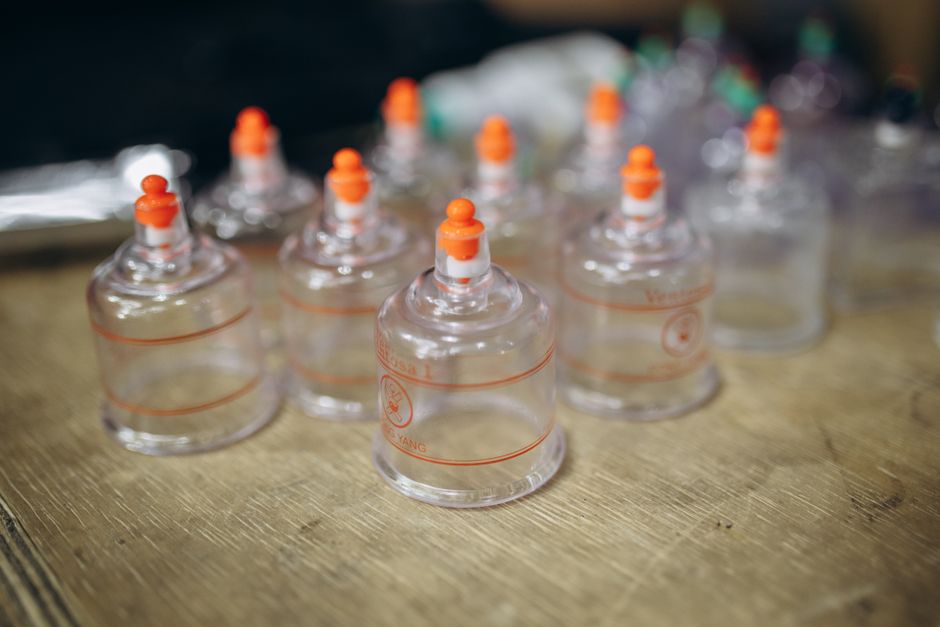
Biohacking Recovery Tools for 2026
Recovery has moved to the center of the wellness conversation. Where earlier biohacking focused heavily on stimulation — bright light, cold plunges, intense training — the 2026 approach is more balanced. People want tools that help the body restore, recalibrate, and rebound from daily stress. That shift has produced a crowded market: wearables, percussion devices, red-light panels, compression boots, breathwork platforms, and frequency-based systems that aim to support the body’s electrical environment.
This guide covers the main categories of biohacking recovery tools, what the evidence says, how to combine them sensibly, and where emerging approaches like adaptive bioelectric platforms fit into a holistic routine. It is educational, not medical advice — anyone with a health condition should consult a qualified professional before starting a new modality.
What “Recovery Biohacking” Actually Means
Biohacking is an umbrella term for using data, technology, and lifestyle design to influence your own biology. Recovery biohacking narrows that to the restoration side of the equation: sleep, nervous-system regulation, tissue repair, and cellular housekeeping.

The most useful framing is to think in layers:
- Foundational recovery — sleep, hydration, nutrition, and movement. No device replaces these.
- Nervous-system tools — breathwork, meditation, sound, and vagal stimulation techniques.
- Physical modalities — massage guns, compression, foam rolling, stretching, and thermal contrast.
- Light and electromagnetic tools — red and near-infrared light, and frequency- or resonance-based systems.
- Feedback and measurement — wearables and apps that track sleep, heart-rate variability, and readiness.
Most people get the best results by building the foundation first, then layering tools that address their specific bottleneck — whether that is poor sleep, high stress, or slow physical recovery.
Foundations First: Sleep, Movement, and Light
Before spending on gadgets, it is worth being honest about the basics. Recovery begins with sleep. The Sleep Foundation consistently emphasizes consistent sleep timing, a dark and cool bedroom, and limiting late caffeine and alcohol — habits that cost nothing and outperform most devices.
Movement is the second pillar. The CDC’s physical activity guidelines recommend regular aerobic and muscle-strengthening activity, and recovery is what allows that training to translate into adaptation rather than fatigue. For practical, accessible routines, the NHS exercise guidance is a solid reference.
Morning daylight exposure and evening light discipline are simple circadian tools. They set the hormonal rhythm that governs repair, appetite, and energy. A recovery stack built on poor sleep is like a premium sound system in a room with a broken window — impressive components, compromised results.
The Major Categories of Recovery Tools
Wearables and readiness tracking
Sleep trackers, rings, and chest straps estimate sleep stages and heart-rate variability (HRV). Their value is not perfect accuracy but trend awareness: they help you notice when you are accumulating strain. Use them as a compass, not a judge, and avoid letting readiness scores create anxiety that undermines the recovery you are chasing.
Percussion and manual therapy devices
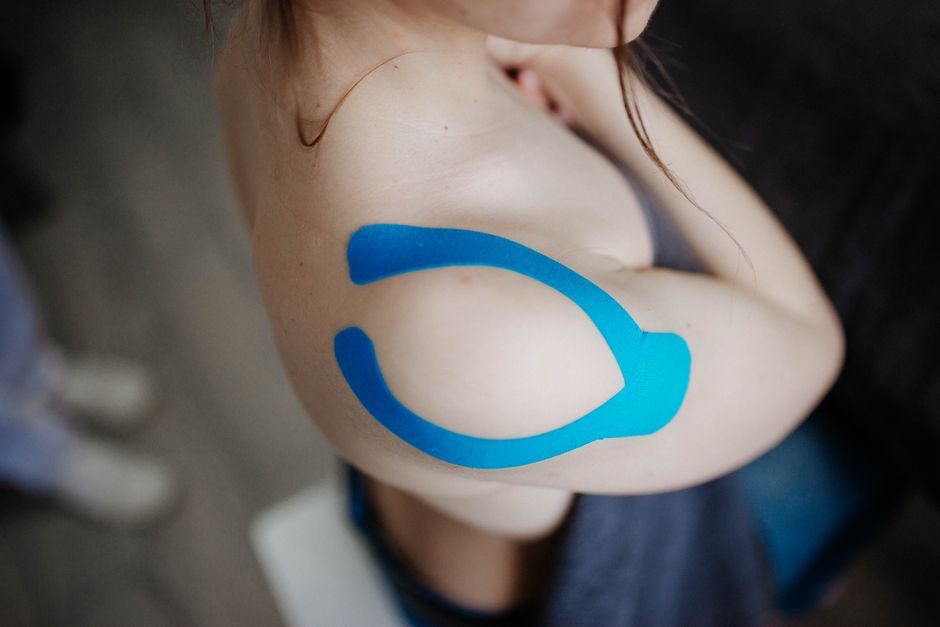
Massage guns and foam rollers apply mechanical pressure to muscle and fascia. Many people report reduced stiffness and improved range of motion. They are best used as a short pre-activity primer or post-session wind-down, not as a substitute for professional care of an injury.
Compression and thermal tools
Intermittent pneumatic compression sleeves and contrast bathing (alternating warm and cool) are popular among athletes. Evidence is mixed but generally supports perceived recovery and reduced soreness. Cold exposure in particular is best timed away from strength training if muscle growth is a goal.
Red and near-infrared light
Photobiomodulation panels are widely used for skin and perceived joint comfort. Sessions are short, and consistency matters more than intensity. As with all devices, quality and safety certifications vary considerably between manufacturers.
Breathwork and sound
Slow breathing — roughly six breaths per minute — is one of the most accessible nervous-system tools available. Guided breathwork and relaxation soundscapes for deep rest can support the transition into sleep. These are low-cost, low-risk, and highly compatible with other modalities.
Frequency and bioelectric systems
A newer and fast-growing category uses resonance, frequency, or subtle electrical signaling to support what proponents describe as the body’s natural electrical balance. These systems are best understood as wellness-supportive experiences rather than proven medical treatments. Their appeal lies in personalization and relaxation, and quality varies widely across the market.
The Problem With Static Frequencies — and the Adaptive Alternative
One critique of early frequency-based wellness tools is that they rely on fixed, repeating programs. The body is adaptive by design; it habituates to unchanging input, much as it adapts to a repeated workout. Critics argue that a single static frequency set may produce diminishing subjective response over time.
Adaptive platforms attempt to address this by rotating and personalizing programs. PeMF Healing LLC’s Frequency Healing platform is an example of this approach: it describes an ultra-advanced bioelectric wellness platform with more than 16,000 dynamic BioPhi programs and 1.8 million-plus frequencies, designed to overcome cellular adaptation to static frequencies. The platform also describes AI guidance, voice scanning, breathwork, and sacred soundscapes intended to support natural electrical balance.
Such features are worth evaluating on transparency and safety rather than on bold claims. Questions to ask any frequency-based provider include: Is the device cleared or registered appropriately in your region? Are the frequency ranges and session lengths documented? Are there clear contraindications — for example, for people with implanted electronic devices or who are pregnant? A responsible provider answers these plainly.
Adaptive design is a genuine step forward in personalization — but personalization is a feature, not a guarantee. Treat frequency tools as part of a broader wellness practice, not as a replacement for medical care.
How to Build a Practical Recovery Stack in 2026
A sensible stack is built in stages, so you can tell what is helping.
- Weeks 1–2: Baseline. Fix sleep timing, add morning light and a short daily walk, and hydrate consistently. Track how you feel with a simple journal.
- Weeks 3–4: Nervous system. Add five to ten minutes of slow breathing daily. This is the highest-return device-free tool available.
- Weeks 5–6: Physical modalities. Introduce one tool — percussion or compression — and use it consistently for two weeks before judging it.
- Weeks 7–8: Light or frequency. Add one light or resonance-based session type, keep sessions short, and note subjective effects.
- Ongoing: Review. Drop anything that adds cost or complexity without a clear benefit. Simplicity is itself a recovery advantage.
Keep a short log of sleep quality, soreness, mood, and energy. Subjective data is imperfect, but it is often more useful than a stack of device metrics you never review. And rotate tools rather than stacking everything at once — the benefit of novelty fades, and consistency usually beats intensity.
Safety, Skepticism, and Realistic Expectations
Biohacking recovery is a field with genuine innovation and genuine exaggeration. A few principles keep you grounded:
- No tool replaces medical care. Persistent pain, insomnia, or fatigue deserves professional evaluation.
- Be wary of guarantees. No device can promise specific outcomes, and language implying otherwise is a warning sign.
- Check contraindications. Electrical, light, and compression devices are not appropriate for everyone.
- Prioritize sleep and movement. Tools amplify a good foundation; they cannot substitute for one.
- Judge value over time. Give any modality a fair trial, then keep only what you would repurchase.
It is also worth distinguishing between wellness experiences and regulated medical devices. Many recovery tools are marketed for general wellbeing, which is a different standard than clinical treatment. Understanding that distinction protects both your wallet and your health.
Conclusion
The best biohacking recovery tools in 2026 are not the most expensive or the most exotic — they are the ones you use consistently and that fit your actual life. Sleep, light, movement, and slow breathing form the base. Physical modalities, light panels, and adaptive frequency platforms like those offered by PeMF Healing LLC can layer on top, offering personalization and a calming ritual. Treat every tool as a hypothesis to test on yourself, keep expectations realistic, and consult qualified professionals when needed. Recovery is a practice, not a purchase.