

Bioresonance therapy is defined as a non-invasive frequency-based method that reads and modulates the body’s electromagnetic oscillations to support health and cellular balance. The most practical examples of bioresonance wellness applications span emotional well-being, pain management, detoxification, allergy relief, and structured home-use programs. Practitioners typically work through a scan-treat-protocol workflow: scanning for energetic imbalances, delivering targeted frequencies, then assigning a personalized detox or organ-support protocol. Devices like BIYOND and platforms like Frequencyhealing have made these applications accessible far beyond the clinic.
1. What are the primary bioresonance applications for emotional and mental well-being?
Bioresonance addresses emotional and mental health by sending calming, corrective frequencies to the body’s bioelectric field. Practitioners report that stress, anxiety, depression, and chronic fatigue all respond to frequency modulation within this model. The underlying idea is that emotional distress carries a measurable energetic signature, and targeted frequencies can interrupt or rebalance those patterns.
Specific use cases include:
- Stress and anxiety relief: Sessions deliver low-frequency calming signals that encourage the nervous system to shift out of fight-or-flight states.
- Mood regulation: Frequency sequences target the energetic correlates of mood disorders, supporting a more stable emotional baseline.
- Chronic fatigue: Practitioners address the energetic depletion behind persistent tiredness, often pairing frequency delivery with organ-support protocols.
- Emotional pattern clearing: Some practitioners use bioresonance to address recurring emotional loops, treating them as stored vibrational signatures in the body’s field.
The connection between frequency therapy and emotional health is not purely metaphorical. Frequency therapy works most effectively as part of combination approaches, reinforcing the value of pairing bioresonance with breathwork, meditation, or PEMF sessions for emotional support.
Pro Tip: If you are using bioresonance for stress relief, schedule sessions in the late afternoon when cortisol naturally dips. The body is more receptive to frequency entrainment during this window.
2. How is bioresonance used in pain management and physical health support?
Bioresonance targets the energetic imbalances that practitioners associate with chronic pain, inflammation, and organ stress. The approach is non-invasive, making it a practical complement to conventional pain management protocols. Rather than masking symptoms, the goal is to address the frequency disruptions that practitioners believe underlie physical discomfort.
Common physical health applications include:
- Chronic pain and arthritis: Frequency sessions aim to reduce the energetic load associated with joint inflammation and persistent pain signals.
- Organ stress: Scanning identifies which organs carry elevated energetic stress, and targeted frequencies are applied to support their function.
- Inflammation support: Practitioners use specific frequency ranges to address the energetic correlates of inflammatory states.
- Post-session detox: A typical session involves scanning for parasites, pathogens, and organ stress, followed by live frequency treatment and a personalized detox protocol, with improvements often reported within 48 hours.
The scan-treat-protocol model is the defining structure of clinical bioresonance for physical health. Each session produces a personalized map of energetic imbalances, and the treatment protocol is built around that map. This level of personalization is what separates bioresonance from generic frequency exposure.
3. What role does bioresonance play in detoxification and allergy management?
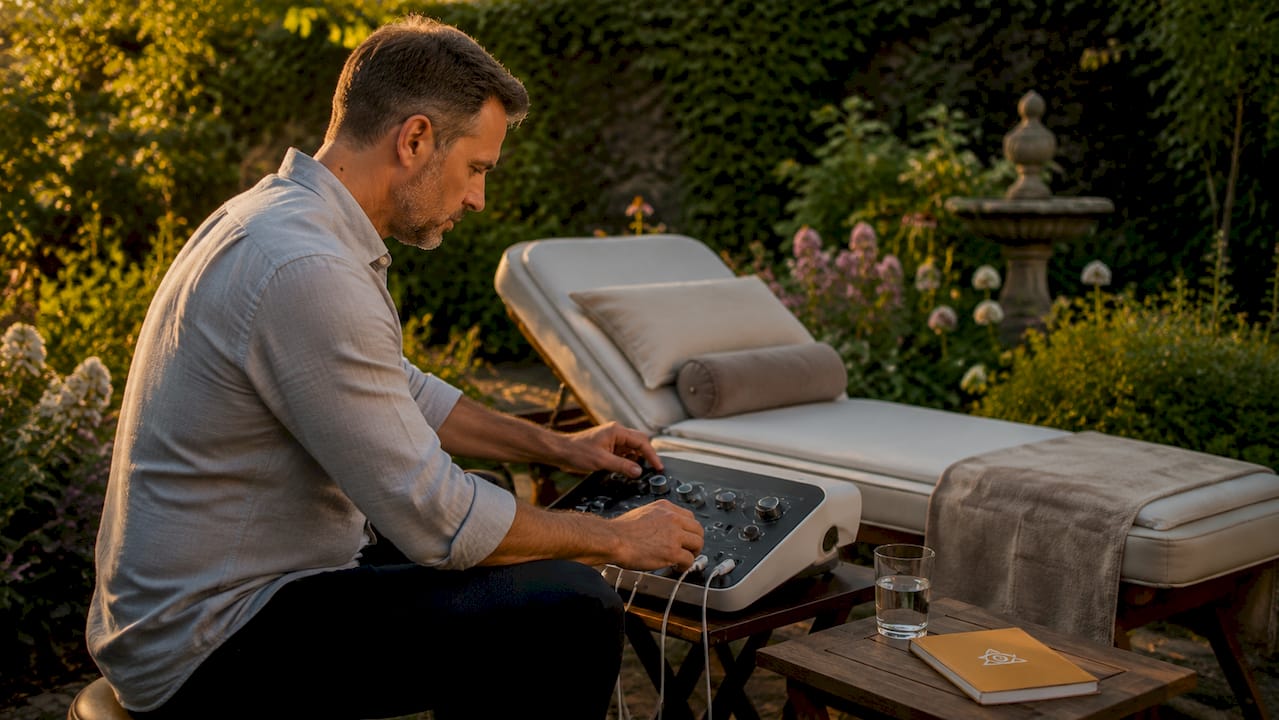
Bioresonance supports detoxification by delivering frequencies that practitioners associate with stimulating liver, kidney, and lymphatic function at the energetic level. The body’s detox organs each carry distinct bioelectric signatures, and bioresonance sessions are designed to reinforce those signatures when they appear weakened or disrupted. This makes bioresonance a popular addition to broader detox protocols.
Detox support in practice
Quantum bioresonance scanning detects organ energetic imbalances and pathogen presence, enabling personalized detoxification protocols. Practitioners use this data to sequence frequency delivery, targeting the liver first, then the kidneys and lymphatic system, in a structured order that mirrors conventional detox logic.
Allergy and sensitivity relief
Clinics apply bioresonance to conditions including pollinosis, sinusitis with allergic components, histamine intolerance, and tinnitus linked to allergy regulation. The mechanism proposed is that the body’s immune response to allergens carries a disruptive frequency pattern, and bioresonance sessions work to neutralize or invert that pattern, gradually improving tolerance.
| Application | Bioresonance approach |
|---|---|
| Liver and kidney detox | Frequency sequences targeting organ bioelectric signatures |
| Pollinosis and hay fever | Inverting allergen frequency patterns to reduce immune reactivity |
| Histamine intolerance | Addressing the energetic load of histamine response pathways |
| Sinusitis with allergy | Combining sinus-focused frequencies with systemic allergy protocols |
Personalized frequency treatments for allergy relief often require multiple sessions before measurable tolerance improvements appear. Case reports from practitioners describe rapid symptomatic improvement after combining bioresonance with liver flush protocols, particularly for clients with overlapping digestive and allergy complaints.
4. What are the leading home-use bioresonance devices and their wellness applications?
Home-use bioresonance devices bring clinical-grade frequency therapy into daily wellness routines. BIYOND is marketed as a portable, family-friendly device supporting regeneration, nervous-system harmonization, and individualized frequency needs. Its design reflects a broader shift toward self-directed frequency wellness, where people manage their own bioelectric sessions outside a clinical setting.
Key wellness applications for home devices include:
- Relaxation and sleep support: Structured frequency programs guide the nervous system toward parasympathetic states, supporting deeper rest.
- Energy and immunity: Daily frequency sessions address the energetic foundations of vitality and immune readiness.
- Physical and mental balance: Targeted modules support recovery from physical exertion and mental overload.
- Preventative care: Regular use is positioned as a way to maintain energetic coherence before imbalances become symptomatic.
The BIYOND starter package uses a 7-day preparatory cycle before users access specialized modules for work, relaxation, body care, or fitness. This staged approach mirrors the cellular adaptation logic used in clinical settings, giving the body time to adjust before more targeted frequency work begins.
Pro Tip: Treat your home bioresonance device like a daily supplement protocol, not a one-time treatment. Consistent, low-dose frequency exposure builds cumulative energetic coherence more effectively than occasional intensive sessions.
5. Why does bioresonance support cellular health at the energetic level?
Bioresonance supports cellular health by working within the body’s own bioelectric communication system. Every cell emits and receives electromagnetic signals as part of its normal function. When those signals become distorted by stress, toxins, or pathogens, cellular coordination breaks down. Bioresonance sessions aim to restore the original, healthy frequency patterns that cells use to regulate themselves.
Personalization and feedback-loop protocols are central to this process. Practitioners scan for specific energetic disruptions, then tailor frequency delivery to the individual’s current bioelectric state. This is fundamentally different from applying a fixed frequency to everyone with the same complaint. The body’s response to each session informs the next, creating a living bioelectric conversation between the device and the person receiving treatment.
The role of bioresonance in clinical wellness extends to cellular adaptation over time. Repeated sessions gradually shift the body’s default frequency patterns toward greater coherence, which practitioners associate with improved organ function, faster recovery, and more stable emotional states. This cumulative effect is why structured programs, whether clinical or home-based, consistently outperform single sessions.
6. How does bioresonance compare to other frequency-based wellness therapies?
Bioresonance occupies a specific position within the broader frequency therapy ecosystem. Unlike PEMF therapy, which delivers pulsed electromagnetic fields to stimulate tissue repair and circulation, bioresonance focuses on reading the body’s own frequencies and responding to them. PEMF is largely a one-directional input. Bioresonance is designed as a two-way exchange.
Frequency therapy works best as part of combination approaches that include magnetic fields and complementary modalities. Platforms like Frequencyhealing integrate PEMF coils, binaural audio, haptic vibration, and scalar brainwave programs into a single framework, allowing practitioners and individuals to layer multiple frequency inputs for more complete energetic support. This combination model reflects how leading practitioners now structure their protocols.
Bioresonance also differs from sound-based therapies like binaural beats or Solfeggio frequencies in its diagnostic component. The scan phase of a bioresonance session generates data about the body’s current energetic state. Sound therapies deliver frequencies without this feedback loop. Both approaches have value, but bioresonance’s scan-treat-protocol structure makes it more adaptable to individual conditions.
Key takeaways
Bioresonance therapy delivers its strongest results when personalized scanning, targeted frequency treatment, and structured follow-on protocols are combined into a single, repeatable wellness system.
| Point | Details |
|---|---|
| Emotional and mental well-being | Frequency modulation addresses stress, anxiety, and mood patterns through targeted bioelectric signals. |
| Pain and physical support | Scan-treat-protocol sessions map energetic imbalances and deliver personalized frequency treatment for chronic pain. |
| Detox and allergy relief | Bioresonance stimulates organ detox pathways and reduces allergen reactivity through frequency inversion protocols. |
| Home-use devices | Devices like BIYOND use 7-day starter cycles to build cellular adaptation before specialized modules begin. |
| Combination approaches | Bioresonance works most effectively alongside PEMF, breathwork, and other frequency modalities. |
Bioresonance in practice: what the evidence actually supports
The wellness applications of bioresonance are genuinely diverse, and I find that diversity both its greatest strength and its most common source of confusion. People come to bioresonance expecting a single, clearly defined treatment. What they find is a framework that adapts to the individual, and that adaptability is exactly what makes it hard to evaluate by conventional clinical standards.
Biomedical literature acknowledges that electromagnetic frequency therapies face real challenges in reproducibility and clinical translation, largely because environmental variables affect outcomes in ways that are difficult to control. That is an honest limitation. It does not mean the therapy lacks value. It means the value is often experiential and personalized rather than statistically uniform.
What I have observed consistently is that people who approach bioresonance as part of a broader wellness strategy, rather than as a standalone cure, report the most meaningful results. The ritualistic structure of a scan-treat-protocol session, the personalized follow-on protocol, the staged home-device program: these elements create a feedback loop that keeps the person engaged and attentive to their own body. That attentiveness alone has therapeutic value, independent of the frequencies delivered.
My honest recommendation is to use bioresonance as one layer in a multi-modal frequency protocol. Pair it with PEMF for physical recovery, breathwork for nervous system regulation, and consistent sleep hygiene. The frequency ecosystem you build around bioresonance will amplify its effects far beyond what any single session can achieve.
— Art
Frequencyhealing: frequency wellness tools for your daily protocol
Frequencyhealing brings together PEMF coils, binaural audio, haptic vibration, and scalar brainwave programs into one platform designed for people who take frequency wellness seriously.
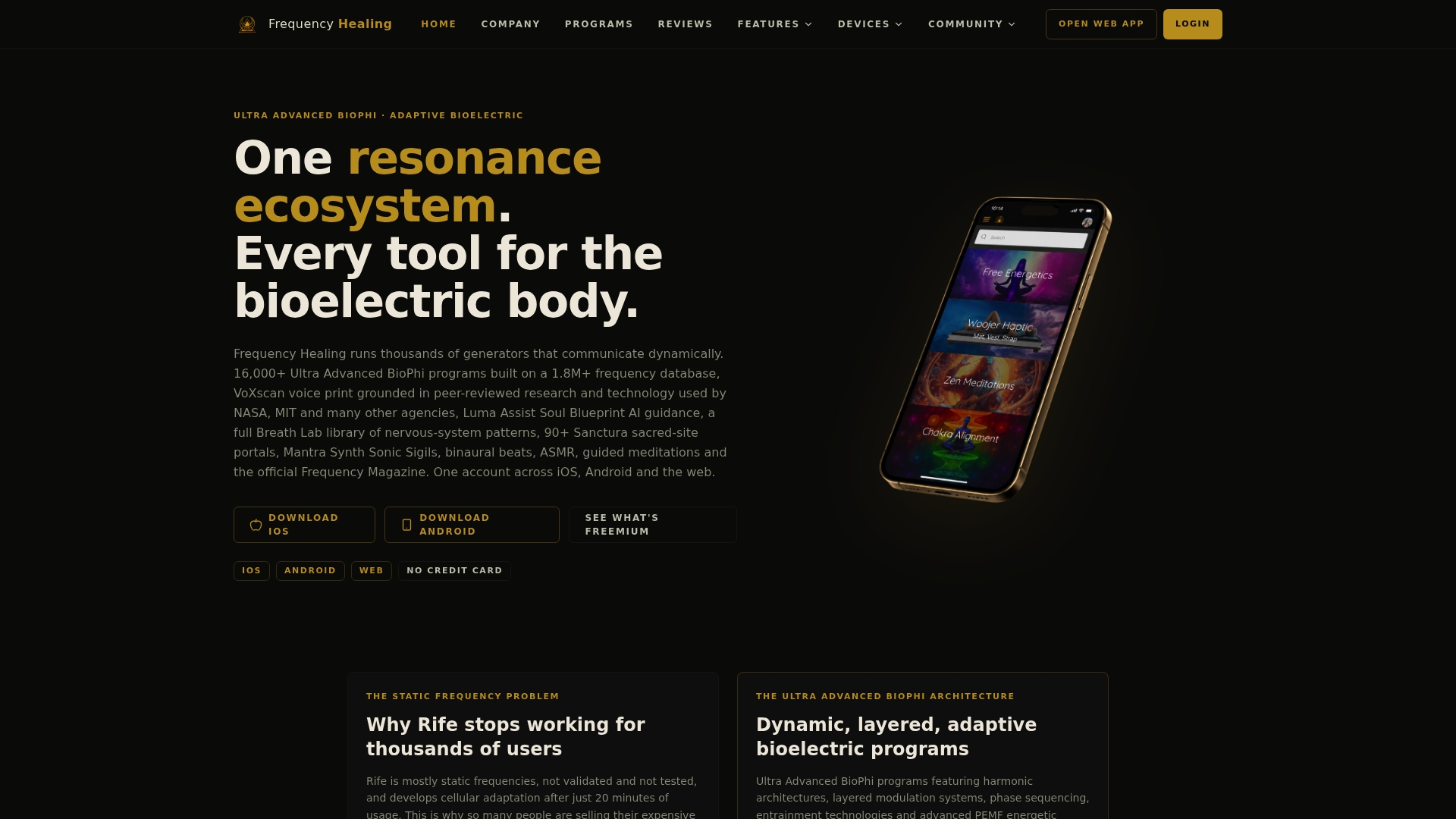
The platform’s VoXscan voice print tool generates a personalized PEMF frequency profile from a 50-second voice recording, mirroring the scan-and-tailor logic that makes clinical bioresonance effective. For guided frequency support, Luma Assist 2.0 functions as an AI frequency wellness guide, helping you select and sequence programs based on how you feel each day. Frequencyhealing also offers dedicated PEMF coil devices for targeted physical and energetic support. These tools are designed to complement bioresonance sessions, not replace them, giving you a complete frequency wellness system you can use at home every day.
FAQ
What is bioresonance therapy used for?
Bioresonance therapy is used for stress, anxiety, pain management, detox support, and allergy relief by entraining the body to healthy frequency patterns. Practitioners also apply it to chronic fatigue, digestive support, and emotional regulation.
How does a bioresonance session work?
A session follows a scan-treat-protocol structure: the device scans for energetic imbalances, delivers targeted frequencies, then generates a personalized detox or organ-support protocol. Improvements are often reported within 48 hours of a full session with follow-on protocol.
Can bioresonance be used at home?
Yes. Devices like BIYOND deliver portable frequency therapy through structured programs, starting with a 7-day starter cycle before users access targeted wellness modules for sleep, energy, and recovery.
Is bioresonance scientifically proven?
Bioresonance has a growing body of practitioner evidence, but clinical translation remains challenging due to reproducibility issues caused by environmental variables. Informed, personalized use within a broader wellness protocol is the most evidence-consistent approach.
How does bioresonance differ from PEMF therapy?
Bioresonance reads the body’s own electromagnetic frequencies and responds to them, while PEMF therapy delivers pulsed electromagnetic fields as a one-directional input. Combining both modalities produces stronger results than either approach used alone.