

Frequency therapy in cancer healing is defined as the clinical or integrative application of specific electromagnetic, bioelectric, or acoustic frequencies to support the body’s self-regulatory mechanisms during oncological treatment. The recognized industry term for this field is vibrational medicine, which encompasses modalities ranging from Tumor Treating Fields (TTFields) to Modulated Electro-Hyperthermia (mEHT) and sound-based therapies. Understanding what is frequency therapy cancer healing means recognizing it as adjunctive support, not a standalone cure. These approaches work alongside chemotherapy, radiation, and surgery to regulate cellular communication, reduce treatment side effects, and promote physiological resilience. Pemfmagazine covers this field with scientific precision, helping patients make informed decisions about integrating frequency-based protocols into their care.
What scientific evidence supports frequency therapy in cancer?
Clinical evidence for frequency therapy in oncology spans a wide spectrum, from FDA-approved devices to experimental consumer technologies. The strongest data comes from TTFields, a bioelectric modality that delivers 200 kHz electrical fields directly to tumor tissue through electrode arrays worn on the skin. When combined with standard temozolomide chemotherapy in glioblastoma patients, TTFields extended median overall survival to 20.5 months compared to 15.6 months with chemotherapy alone, and 5-year survival doubled from 5% to 13%. That is a clinically significant outcome for one of the most treatment-resistant cancers in oncology.
Modulated Electro-Hyperthermia (mEHT) represents a second well-documented modality. It uses a 13.56 MHz carrier wave modulated by low-frequency signals to selectively heat and disrupt malignant cells while sparing healthy tissue. Phase III trials in advanced cancers show significant survival increases with mEHT protocols. The 13.56 MHz frequency is now the industry standard for this class of therapy.
Consumer-grade Rife machines occupy a different category entirely. These devices claim to destroy cancer cells through resonant frequencies, but authoritative sources do not recognize Rife devices as validated cancer treatments as of 2026. The absence of peer-reviewed phase trial data is the critical distinction. Rife technology may offer supportive benefits for some users, but patients should not substitute it for evidence-based oncological care.
At the physiological level, frequency therapy aids blood circulation, oxygen supply, and immune responses through improvements in microcirculation and cellular signaling. These mechanisms explain why frequency modalities are increasingly positioned as organism-regulating tools rather than direct tumor-targeting agents.
| Modality | Frequency Range | Evidence Level | Primary Use |
|---|---|---|---|
| TTFields | 200 kHz | FDA-approved, Phase III | Glioblastoma, mesothelioma |
| mEHT | 13.56 MHz carrier | Phase III trials | Solid tumors, advanced cancers |
| Rife Machines | Variable | No robust clinical validation | Complementary wellness only |
| Sound/Music Therapy | 20 Hz–20 kHz | Clinical studies | Side effect reduction, well-being |
| PEMF Therapy | 1 Hz–10 kHz | Growing evidence base | Circulation, sleep, nerve support |
Pro Tip: When evaluating any frequency device, ask your oncologist whether the modality has completed at least one randomized controlled trial. That single question separates clinically validated tools from wellness-only products.
How does frequency medicine complement chemotherapy?
Frequency therapy’s most clinically practical role is as a complementary layer within a conventional oncology protocol. Chemotherapy and radiation are physiologically demanding. They suppress immune function, disrupt the autonomic nervous system, and generate oxidative stress that compounds fatigue and neuropathic pain. Frequency-based modalities address these secondary burdens without interfering with primary treatment mechanisms.
The autonomic nervous system is the primary regulatory target. Frequency therapy promotes autonomic balance and vegetative regulation, shifting the body away from chronic sympathetic activation (the “fight or flight” state) toward parasympathetic dominance (the “rest and repair” state). This shift is not trivial. Sustained sympathetic overdrive suppresses natural killer cell activity, impairs tissue repair, and amplifies pain perception. Restoring that balance creates a more receptive internal environment for healing.
Specific benefits documented by integrative practitioners include the following:
-
Fatigue reduction: Low-intensity frequency sessions support mitochondrial efficiency and reduce the cellular energy deficit that drives post-chemo exhaustion.
-
Neuropathy management: Frequency-specific microcurrent can aid post-surgical recovery by breaking down tissue adhesions and improving nerve conduction, particularly after mastectomy.
-
Sleep improvement: Low-intensity remote mode applications support nervous system balance and improve sleep architecture disrupted by treatment stress.
-
Pain modulation: Acoustic and electromagnetic frequencies modulate pain signaling pathways at the spinal and cortical levels.
-
Immune support: Microcirculation improvements enhance lymphatic drainage and immune cell trafficking through tumor microenvironments.
Integrative oncology increasingly incorporates music and vibration therapies to reduce nausea, fatigue, anxiety, and pain perception during active treatment. Music therapy, for example, modulates cortisol and improves immune markers in cancer patients receiving chemotherapy. Combining sound-based protocols with medicinal mushrooms such as Reishi or Lion’s Mane creates a synergistic approach to immune modulation that several integrative oncology centers now recommend.
Pro Tip: Schedule frequency therapy sessions on non-chemotherapy days when possible. This timing allows the body to process treatment stress before adding a new physiological input, reducing the risk of overlapping reactions.
Coordination with your oncologist is not optional. Integrative coordination with conventional oncologists is the standard recommendation across integrative medicine guidelines. Frequency therapy aims to create a healing environment that makes the body more receptive to treatment, and that goal is best served through transparent communication with your entire care team.
What types of frequency therapies are used in cancer healing?
The frequency therapy field encompasses several distinct modalities, each with different mechanisms, evidence levels, and clinical applications. Understanding these differences is the first step in building a responsible frequency therapy cancer wellness guide.
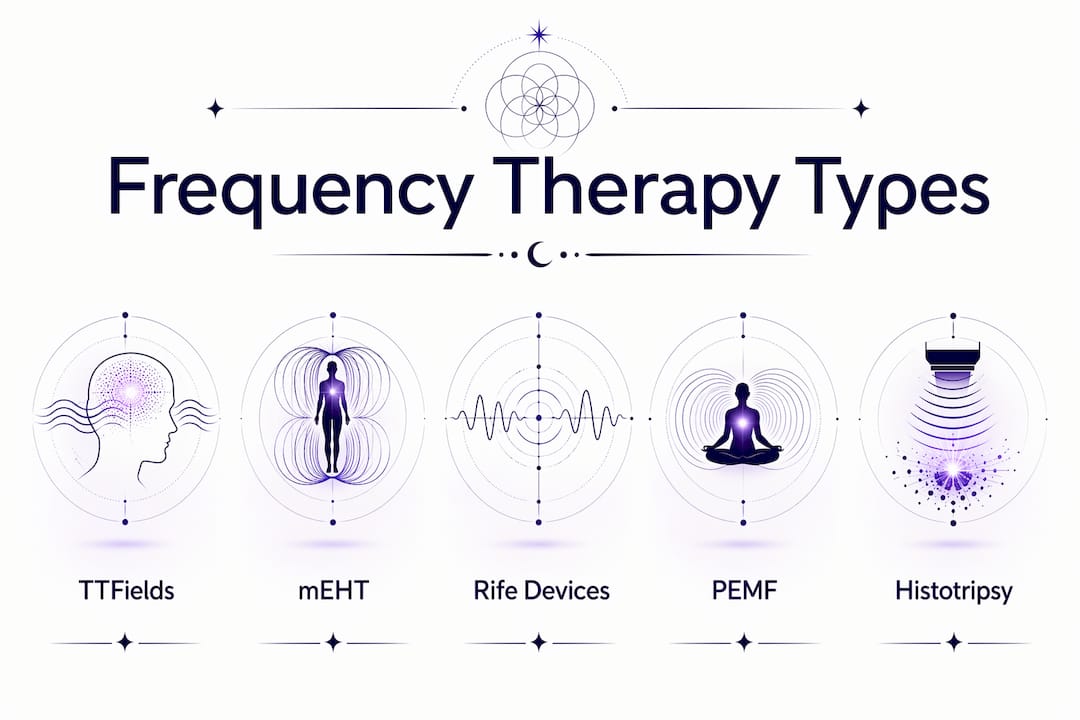
TTFields (Tumor Treating Fields) received FDA approval for glioblastoma multiforme in 2011 and for malignant pleural mesothelioma in 2019. The Optune device, developed by Novocure, delivers continuous 200 kHz alternating electric fields through transducer arrays. The mechanism involves disrupting mitotic spindle formation in dividing cancer cells, effectively arresting tumor growth without the systemic toxicity of chemotherapy.
Modulated Electro-Hyperthermia (mEHT) uses the Oncotherm EHY-2000 platform to deliver a 13.56 MHz radiofrequency field modulated by low-frequency biological signals. The modulation is the key differentiator. It allows selective energy deposition in tumor tissue based on the higher electrical conductivity of malignant cells compared to healthy tissue. This selectivity reduces collateral thermal damage.
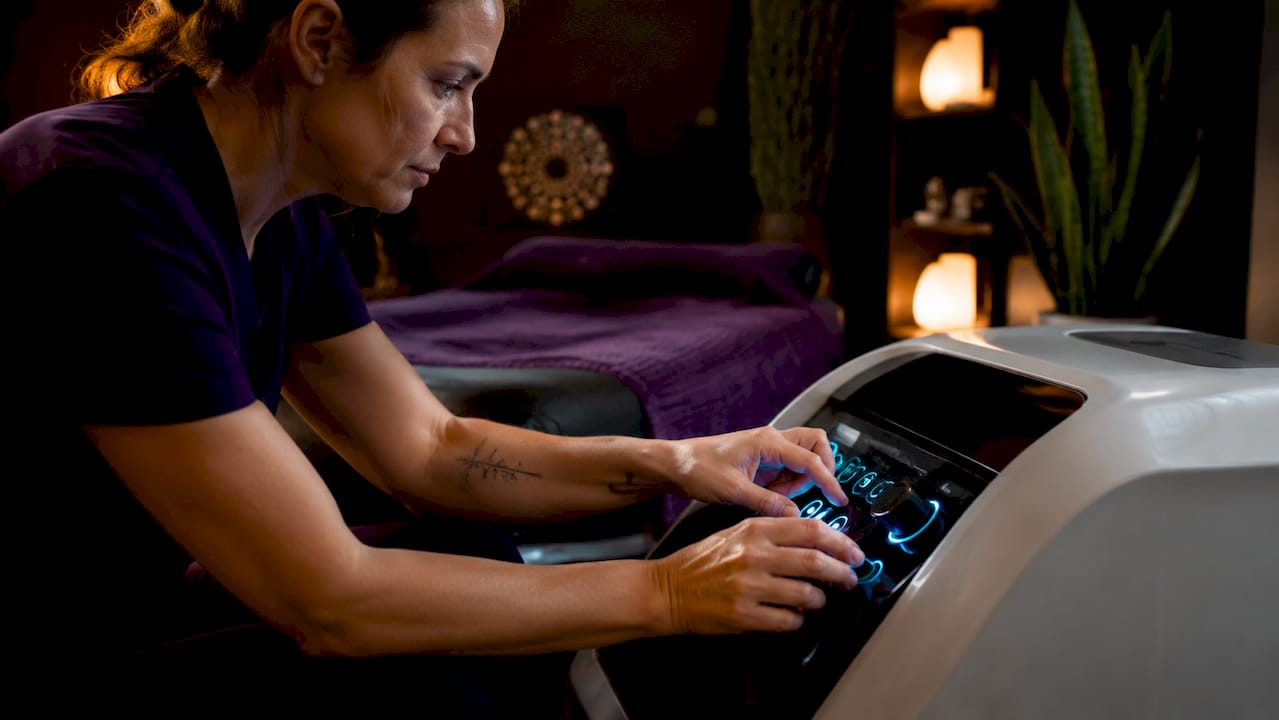
Rife-based frequency devices operate on the principle of resonant frequency destruction of pathogens and cancer cells. The theoretical basis derives from Royal Raymond Rife’s 1930s research.
Histotripsy is a newer sound wave modality that uses focused ultrasound pulses to mechanically destroy tumor tissue without heat or incisions. The FDA authorized histotripsy for liver tumors in 2023, marking a significant regulatory milestone for sound waves as cancer treatment. This technology represents the frontier of acoustic oncology.
PEMF therapy (Pulsed Electromagnetic Field therapy) operates in the 1 Hz–10 kHz range and targets cellular membrane potential, mitochondrial function, and autonomic regulation. Pemfmagazine covers PEMF protocols extensively, including their application in bioelectric oncology protocols targeting cellular integrity during cancer treatment.
What practical guidance should patients follow?
Responsible integration of frequency therapy into cancer care requires a structured, patient-centered approach. The following sequence reflects best practices from integrative oncology practitioners and frequency medicine specialists.
-
Consult your oncology team first. Disclose every complementary modality you are considering. Some frequency devices generate electromagnetic fields that may theoretically interfere with implanted devices like pacemakers or port catheters.
-
Start with the lowest effective intensity. Detoxification reactions may occur if frequency therapy intensity is too high, too soon. Begin with 10–15 minute sessions at minimal output settings.
-
Monitor your body’s response systematically. Track fatigue levels, sleep quality, pain scores, and mood daily during the first two weeks. These biomarkers reveal whether the protocol is calibrated correctly for your physiology.
-
Adjust based on signals, not schedules. Experienced practitioners recommend listening to body signals rather than following aggressive fixed protocols. If fatigue worsens or new symptoms appear, reduce session duration before increasing frequency.
-
Layer complementary supports. Frequency therapy produces better outcomes when combined with anti-inflammatory nutrition, stress reduction practices such as breathwork or meditation, and adequate hydration to support lymphatic clearance.
-
Avoid unverified claims. No consumer-grade frequency device has demonstrated the ability to cure cancer. Patients who abandon conventional treatment in favor of frequency-only protocols face documented harm. The goal is adjunctive support, not replacement.
-
Reassess quarterly. Schedule a formal review with your integrative oncologist every three months to evaluate whether the frequency protocol remains appropriate as your treatment phase evolves.
Pro Tip: Keep a simple frequency therapy log noting device used, session duration, intensity setting, and how you felt within two hours afterward. This data becomes invaluable when discussing your protocol with your care team.
Key takeaways
Frequency therapy is a scientifically grounded adjunctive tool that supports cancer healing through autonomic regulation, cellular communication, and side effect reduction, but it requires clinical oversight and realistic expectations.
| Point | Details |
|---|---|
| TTFields has the strongest evidence | FDA-approved TTFields extended glioblastoma survival to 20.5 months versus 15.6 months with chemotherapy alone. |
| mEHT targets cancer cells selectively | The 13.56 MHz carrier wave deposits energy preferentially in malignant tissue based on conductivity differences. |
| Consumer devices lack clinical validation | Rife machines and similar products are not recognized as cancer treatments; use them as wellness support only. |
| Autonomic regulation is the core mechanism | Frequency therapy shifts the nervous system toward parasympathetic dominance, creating a more receptive healing environment. |
| Oncologist coordination is non-negotiable | Transparent communication with your care team protects against device interactions and ensures protocol alignment. |
The honest calculus of frequency therapy in cancer care
After years of covering vibrational medicine and bioelectric therapies at Pemfmagazine, I have observed a consistent pattern. Patients who benefit most from frequency therapy are those who treat it as a precision adjunct, not a philosophical alternative to oncology. The ones who struggle are those who arrive at frequency therapy with the hope that it will replace the difficult work of conventional treatment.
The science is clear on one point: frequency therapy does not cure cancer. What it does, when applied correctly, is reduce the physiological burden of treatment. That reduction matters enormously. A patient who sleeps better, experiences less neuropathic pain, and maintains stronger immune function during chemotherapy is a patient who can tolerate more complete treatment cycles. Completion rates for chemotherapy protocols correlate directly with survival outcomes. Frequency therapy, in that context, is not a peripheral wellness add-on. It is a tool for treatment adherence.
What I find most underappreciated is the autonomic nervous system angle. Oncology focuses, necessarily, on tumor biology. But the body’s regulatory architecture, its capacity to maintain homeostasis under extreme physiological stress, is equally determinative of outcomes. Frequency therapy is one of the few modalities that directly addresses that regulatory layer without adding pharmacological burden.
My recommendation is this: approach frequency therapy the way you would approach physical therapy after surgery. It is not the primary intervention. It is the infrastructure that makes the primary intervention work better. Build that infrastructure carefully, communicate openly with your oncologist, and measure your results with the same rigor you would apply to any other clinical decision.
— Art
Explore frequency therapy resources at Pemfmagazine
Pemfmagazine has built one of the most detailed archives of frequency medicine research available to cancer patients and integrative practitioners. If you are building a personal frequency therapy cancer support guide, the resources below offer clinical depth that goes beyond surface-level wellness content.
The Pemfmagazine library covers hyperbaric oxygen therapy as a complementary cellular regeneration protocol, FDA-authorized sound wave therapies, and bioelectric oncology frameworks grounded in peer-reviewed research. Each article is written for patients who want to understand the science behind their choices, not just the marketing claims. Whether you are navigating active chemotherapy or building a post-treatment recovery protocol, Pemfmagazine provides the scientific context you need to make decisions with confidence. Start with the Spooky2 chemo support guide for practical session-by-session guidance.
FAQ
What is frequency therapy in cancer healing?
Frequency therapy in cancer healing is the integrative use of electromagnetic, bioelectric, or acoustic frequencies to support the body’s regulatory systems during oncological treatment. It is classified as adjunctive care, not a primary cancer treatment.
How does ttfields differ from other frequency therapies?
TTFields is the only frequency modality with FDA approval for cancer treatment, specifically glioblastoma and mesothelioma. It delivers 200 kHz alternating electric fields continuously through skin-worn electrode arrays to disrupt cancer cell division.
Can frequency therapy reduce chemotherapy side effects?
Clinical evidence and integrative practitioner experience support frequency therapy’s ability to reduce fatigue, neuropathic pain, sleep disturbances, and anxiety during chemotherapy. Sessions should be scheduled on non-treatment days and supervised by an integrative oncologist.
Are rife machines safe for cancer patients?
Rife machines are not recognized as validated cancer treatments by authoritative medical sources as of 2026. They may offer supportive wellness benefits for some patients, but should never replace conventional oncological care.
How should a cancer patient start frequency therapy safely?
Start with low-intensity sessions of 10–15 minutes, monitor your body’s response daily, and disclose all frequency devices to your oncology team. Gradual introduction reduces the risk of detoxification reactions and allows proper protocol calibration.