
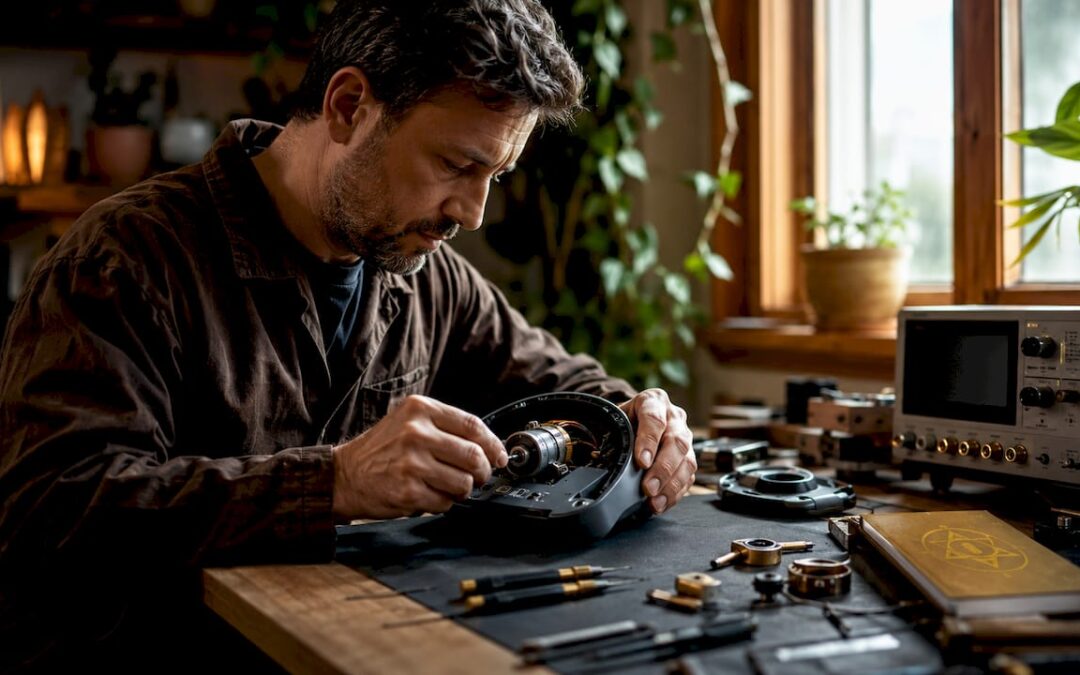
A haptic device frequency session checklist is a structured protocol covering device setup, frequency calibration, amplitude adjustment, session timing, and response documentation to maximize the therapeutic output of every vibroacoustic session. In the wellness and holistic healing space, this checklist is the difference between a session that produces measurable relaxation and one that simply vibrates without direction. Clinical vibroacoustic data drawn from 15,000 patient records shows a 33% increase in relaxation and a 54% reduction in tension, fatigue, and headache symptoms per structured session. Frequencyhealing builds its haptic vibration programs around exactly this kind of precision, and this guide gives you the full framework to follow.
Are you looking for a HAPTIC MAT
www.woojer.com
Use CODE EPEMF10 FOR EXTRA DISCOUNT
1. What are the essential pre-session device checks?
Pre-session hardware readiness is the foundation of your haptic device frequency session checklist. Skipping this step means you may run an entire session at reduced vibration quality without knowing it.
Physical placement and case removal:
- Place your device on a solid, flat surface. Soft surfaces like mattresses or cushions absorb vibrational energy before it reaches your body.
- Remove thick protective cases. Thick cases dampen vibration by over 50%, which directly reduces therapeutic output.
- Disable battery saver mode. Power management features throttle motor output and create inconsistent vibration intensity across a session.
Vibration quality verification:
- Run a 10-second test vibration before every session. Listen and feel for rattling, distortion, or uneven pulses. These signal motor misalignment or hardware wear.
- Use a browser-based vibration test tool to identify your device’s resonant frequency sweet spot. Every haptic motor has a frequency range where output peaks. Calibrating to that range before therapy improves sensation quality significantly.
Latency and synchrony check:
- If you are pairing haptic feedback with audio programs from Frequencyhealing, verify that audio-haptic latency stays below 20–40 ms. Latency above this threshold breaks cognitive immersion and reduces the nervous system relaxation response.
Pro Tip: Run your 10-second vibration test on the same surface you plan to use for the full session. A device that performs well on a desk may behave differently on a therapy mat.
2. How to select and adjust frequency settings for your goals
Frequency selection is the most clinically consequential decision in your session preparation for haptic devices. The wrong range for your goal produces minimal benefit. The right range produces measurable physiological change.
Clinical frequency categories:
- Low range (5–15 Hz): Associated with deep relaxation, parasympathetic activation, and sleep support. Best for evening sessions or nervous system recovery work.
- Medium range (15–30 Hz): Supports muscle tension relief, circulation, and mild energetic stimulation. Effective for midday recovery or emotional regulation sessions.
- High range (30–220 Hz): Smartphone-delivered vibration protocols use 80–220 Hz for sensorimotor performance and acute tension relief. Frequencyhealing’s haptic vibration programs draw from this range for focus and recovery applications.
Amplitude adjustment:
Practitioners consistently caution that more intensity is not better. Setting amplitude at a comfortable, moderate level outperforms maximum intensity in every clinical measure. High amplitude triggers sensory saturation, which reverses relaxation benefits and leaves users feeling overstimulated rather than restored.

Start at 40–60% of your device’s maximum amplitude. Adjust upward only if you feel no sensation after two minutes. Never push to maximum for an entire session.
Clinical protocol reference:
The crossover trial protocol for smartphone-delivered vibration specifies 5 repetitions of 45-second vibration with 15-second rest intervals. This structure prevents sensory adaptation and maintains consistent therapeutic signal delivery throughout the session.
Pro Tip: Log your chosen frequency and amplitude after every session. Patterns emerge over weeks that reveal which settings produce your strongest relaxation or recovery response. That data becomes your personal frequency signature.
3. What are the optimal session duration and frequency recommendations?
Session length and scheduling are the two most overlooked variables in haptic frequency adjustment guides. Getting them right determines whether benefits accumulate or plateau.
- Target 20–45 minutes per session. Clinical vibroacoustic sessions in this range produce the strongest relaxation and symptom relief outcomes. Shorter sessions of 10–15 minutes still produce measurable effects and are appropriate for acute conditions or first-time users.
- Schedule 2–3 sessions per week for chronic wellness goals. Whole-body vibration research confirms this cadence as the standard for lasting results. Daily sessions are appropriate for acute conditions but require closer monitoring for sensory adaptation.
- Respect the 48-hour washout period. The smartphone vibration trial protocol specifies 48-hour washout intervals between sessions to assess dose-response and prevent sensory desensitization. This interval allows your nervous system to fully register and integrate the session’s effects.
- Plan for a 5-minute reorientation period after each session. Transitioning too quickly from deep vibrational relaxation to normal activity can create disorientation or reduce the session’s calming effect. Build this buffer into your schedule.
- Commit to at least 4–6 weeks of consistent practice. Cumulative benefits from haptic frequency therapy build over time. Single sessions produce acute relief. Sustained adherence over months produces structural nervous system changes.
4. How to document and monitor session parameters effectively
Detailed session documentation is what separates a therapy practice that evolves from one that stagnates. Clinical experts recommend logging frequency, amplitude, session duration, body position, and client responses to enable evidence-based protocol adjustments.
What to record after every session:
- Frequency range used and specific Hz setting
- Amplitude level as a percentage of device maximum
- Session duration in minutes
- Body position (supine, seated, prone) and device placement location
- Physical responses: muscle tension changes, pain level before and after, fatigue rating
- Emotional responses: mood shift, mental clarity, anxiety level, sleep quality that night
Why this matters:
Documentation prevents therapy plateaus. When you track responses across sessions, you identify which parameter combinations produce your strongest results. You also catch early signs of sensory adaptation, such as diminishing relaxation response at a previously effective setting, before they erode your progress.
Tools for consistent logging:
Use a standardized form or a digital wellness journal. Frequencyhealing’s platform supports session parameter tracking alongside its guided frequency programs, making it straightforward to maintain a complete record without separate tools. Consistency in logging format matters more than the tool you choose.
Pro Tip: Rate your relaxation on a simple 1–10 scale immediately after each session, before you move or check your phone. That immediate rating is more accurate than a retrospective assessment an hour later.
5. How to troubleshoot common haptic feedback issues
Even a well-prepared session can encounter hardware or sensory problems. Knowing how to identify and fix them quickly keeps your session quality consistent.
| Issue | Symptom | Fix |
|---|---|---|
| Motor misalignment | Rattling or uneven vibration during test | Restart device; if persistent, contact manufacturer |
| Vibration dampening | Weak sensation despite high amplitude | Remove case; move to solid surface |
| Battery power drop | Vibration weakens mid-session | Charge to full before sessions; disable battery saver |
| High audio-haptic latency | Vibration feels out of sync with audio | Check Bluetooth vs. wired connection; switch to wired |
| Sensory adaptation | Reduced sensation after 20–30 minutes | Cycle amplitude down 20%, rest 2 minutes, resume |
Sensory adaptation is the most common issue in longer sessions. Sensory adaptation occurs after 20–30 minutes of sustained vibration, and maintaining one constant high-power level accelerates it. The fix is amplitude cycling: reduce intensity by 20–30% for two minutes, then return to your target level. Your nervous system resets and the therapeutic signal registers again.
Latency management is critical when pairing haptic devices with Frequencyhealing’s binaural audio or scalar brainwave programs. Synchrony between audio and haptic output is what creates the immersive frequency ecosystem that drives deep relaxation. A wired connection consistently outperforms Bluetooth for latency control.
Pro Tip: Recalibrate your device’s resonant frequency sweet spot every 30 days. Motor performance shifts with temperature, battery health, and wear. A monthly recalibration keeps your sessions running at peak vibrational output.
Key takeaways
A structured haptic device frequency session checklist, combining hardware verification, clinically supported frequency selection, and consistent documentation, produces measurably better relaxation and recovery outcomes than unstructured sessions.
| Point | Details |
|---|---|
| Pre-session hardware check | Remove cases, disable battery saver, and run a 10-second vibration test before every session. |
| Frequency range selection | Match Hz range to your goal: low (5–15 Hz) for relaxation, high (30–220 Hz) for sensorimotor recovery. |
| Amplitude discipline | Set amplitude at 40–60% of maximum to avoid sensory saturation and preserve relaxation benefits. |
| Session scheduling | Target 20–45 minutes per session, 2–3 times weekly, with a 48-hour washout between sessions. |
| Consistent documentation | Log frequency, amplitude, duration, and responses after every session to prevent plateaus. |
What I’ve learned from years of frequency session practice
The checklist format sounds clinical. In practice, it becomes second nature within two weeks, and the results make the habit worth building.
The most common mistake I see is treating amplitude like a volume knob: higher means better. It does not. The clients who report the strongest relaxation responses are almost always running sessions at moderate intensity with precise frequency targeting, not maximum power. The body responds to the right signal, not the loudest one.
Documentation is the other area where most people underinvest. I have watched practitioners run the same frequency protocol for months with diminishing returns because they never logged enough data to notice the adaptation pattern. A simple spreadsheet with six fields per session changes that completely. You start seeing your own vibrational signature emerge, and that is when personalization becomes genuinely powerful.
The 48-hour washout rule also surprises people. More sessions do not always mean faster progress. The nervous system needs integration time. Respecting that interval is not a limitation. It is part of the protocol.
One nuance worth naming: device placement matters more than most guides acknowledge. The same frequency at the same amplitude produces different sensations depending on whether the device is at the base of the spine, the sternum, or the feet. Experimenting with placement while keeping all other variables constant is one of the fastest ways to personalize your session outcomes.
— Art
Take your sessions further with Frequencyhealing
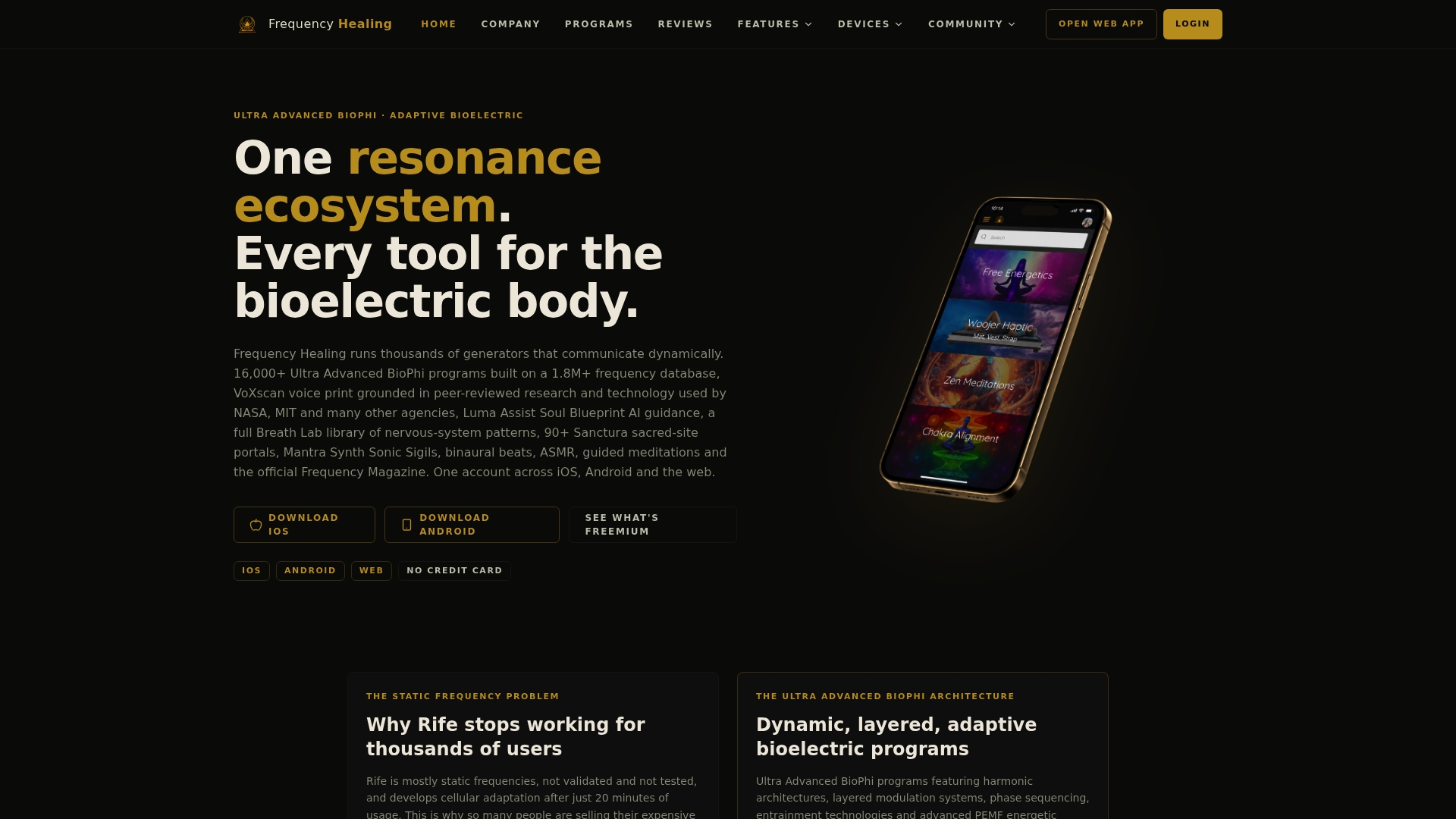
Frequencyhealing is built for exactly this kind of precision-driven wellness practice. The platform offers guided haptic vibration programs, binaural audio, PEMF, and scalar brainwave sequences that are designed to work with your device’s specific frequency output. Every program is structured around the clinical session parameters covered in this checklist, so you are not guessing at frequency ranges or amplitude levels. You can explore Frequencyhealing’s full program library and find the right frequency ecosystem for your relaxation, recovery, sleep, or focus goals. Your next session can be your most calibrated one yet.
FAQ
What is a haptic device frequency session checklist?
A haptic device frequency session checklist is a structured pre-session and in-session protocol covering hardware verification, frequency and amplitude selection, session timing, and response documentation to maximize therapeutic outcomes from vibroacoustic or haptic vibration therapy.
What frequency range is best for relaxation?
Low frequencies in the 5–15 Hz range are associated with parasympathetic activation and deep relaxation. Clinical vibroacoustic protocols and whole-body vibration research both support this range for evening and nervous system recovery sessions.
How long should a haptic therapy session last?
Clinical sessions typically run 20–45 minutes and produce the strongest relaxation and symptom relief results. Shorter sessions of 10–15 minutes still deliver measurable benefits and are appropriate for beginners or acute conditions.
How often should I use a haptic device for therapy?
Two to three sessions per week is the standard recommendation for chronic wellness goals, with a minimum 48-hour washout period between sessions to prevent sensory adaptation and allow nervous system integration.
Why does my haptic device feel weaker mid-session?
Sensory adaptation occurs after 20–30 minutes of sustained vibration at a constant intensity. Cycling your amplitude down by 20–30% for two minutes and then resuming resets the nervous system’s sensitivity and restores the therapeutic effect.