

Haptic wearable frequency therapy is the application of rhythmic mechanical vibrations to the skin through a wearable device, influencing the nervous system via touch rather than sound or electrical current. This approach to tactile frequency stimulation sits at the intersection of neuroscience and wellness technology, and it is gaining serious attention for good reason. Research shows 11% improvement in heart rate variability with consistent daily use, a measurable marker of autonomic balance. Clinical studies on vibrotactile stimulation document symptom reduction in 57%–85% of participants across motor and pain conditions. Frequencyhealing builds on this science with haptic vibration programs designed to support relaxation, nervous system balance, sleep, and energetic wellness.
How do haptic wearables deliver frequency therapy?
Haptic wearable frequency therapy works by generating precise mechanical vibrations through a small actuator pressed against the skin, typically at the wrist, ankle, or sternum. The device converts an electrical signal into physical oscillation, and that oscillation travels through the skin into underlying tissue and nerve endings. The body reads this as a living bioelectric conversation between the device and your peripheral nervous system.
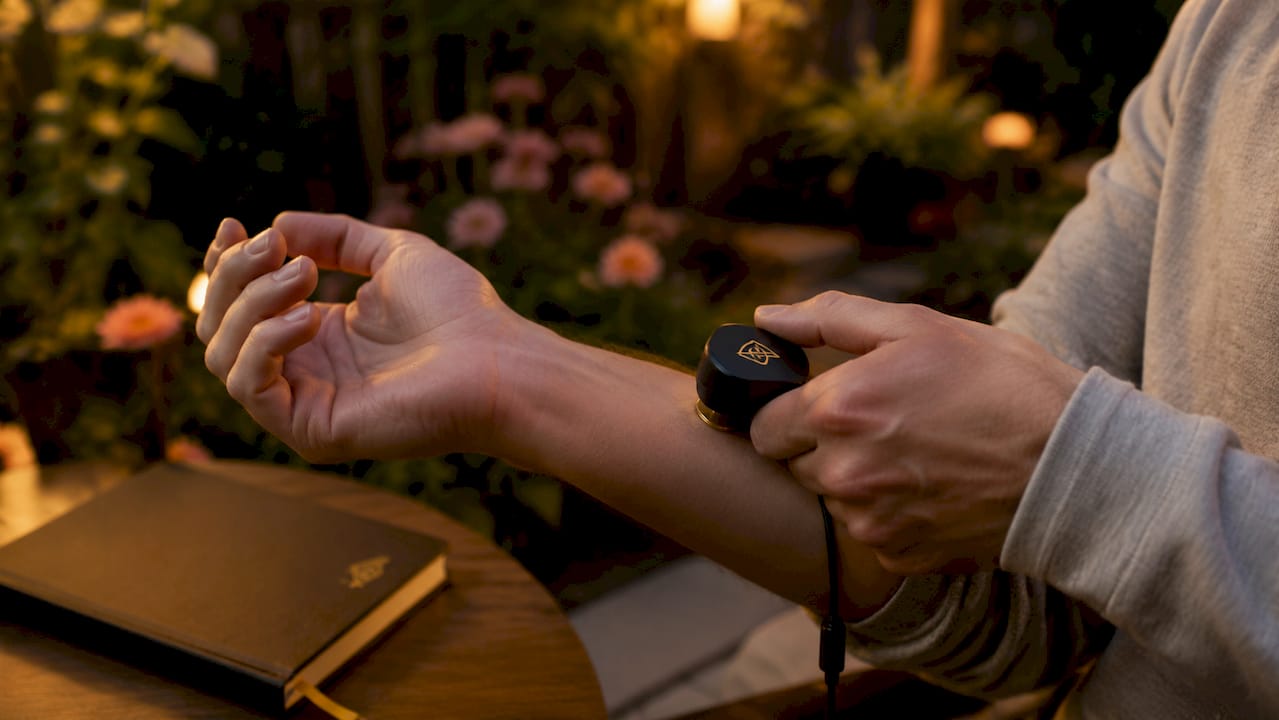
The therapeutic frequency range for superficial vibrotactile stimulation sits between 40 and 100 Hz, with session durations ranging from 5 seconds to 54 minutes depending on the target outcome. Amplitude, meaning the physical displacement of the vibration, typically spans 0.2–3 mm. These parameters are not arbitrary. They map directly to the sensitivity thresholds of the mechanoreceptors in your skin.
Haptic therapy differs from two commonly confused modalities:
- Electrical VNS (vagus nerve stimulation): Delivers electrical current through the skin to stimulate nerve fibers directly. Haptic devices use mechanical pressure, not current.
- Auditory sound therapy: Engages the auditory nerve and limbic system through the ear. Haptic vibration bypasses the ear entirely and acts on peripheral skin receptors.
- PEMF therapy: Uses pulsed electromagnetic fields to influence cellular and tissue environments. Haptic therapy is purely mechanical.
One counterintuitive finding shapes how good haptic devices are built. Amplitude differences are more perceptually robust than frequency differences when vibration is applied non-spatially, such as at the wrist. This means your nervous system notices changes in vibration strength more reliably than changes in vibration speed. Device designers who chase frequency precision while ignoring amplitude calibration are optimizing the wrong variable.
Pro Tip: If you are evaluating a haptic therapy device, ask about its amplitude range and control, not just its frequency output. A device with adjustable intensity will give you more perceptible therapeutic variation than one that only shifts frequency.
Frequencyhealing’s haptic synthesizer programs are structured around this principle, sequencing both frequency and amplitude shifts to create layered vibrational signatures that the nervous system can actually distinguish.
What biological mechanisms are activated by haptic vibration?
Mechanical vibration applied to the skin triggers a process called mechanotransduction. Specialized nerve endings called mechanoreceptors, including Meissner’s corpuscles and Pacinian corpuscles, convert physical pressure waves into electrochemical nerve signals. Those signals travel through peripheral sensory pathways to the spinal cord and brain, where they influence autonomic tone, muscle activation thresholds, and pain modulation circuits.
This pathway is entirely distinct from how sound therapy works. Audible sound modulates the limbic system and autonomic brain areas via the auditory nerve. Haptic vibration reaches the nervous system through the skin, not the ear. The downstream effects can overlap, but the biological route is different. This distinction matters when you are choosing a modality for a specific outcome.
“Sound therapy influences mood via auditory pathways engaging the vagus nerve and limbic structures, whereas haptic vibration therapy works through mechanotransduction via skin mechanoreceptors, affecting muscle tone and autonomic tone through a completely separate neural route.” — Sound Frequency Therapy: Evidence & Mechanisms Guide
The autonomic effects of haptic stimulation are what make wearable frequency therapy relevant to stress management. When mechanoreceptors fire in rhythmic, predictable patterns, the nervous system interprets this as a regulatory signal. Heart rate variability, a key measure of autonomic flexibility, responds to this input. Muscle tone also shifts, which is why vibrotactile therapy shows measurable results in conditions involving motor dysregulation.
Transcutaneous electrical stimulation offers a useful contrast here. Interferential electrical stimulation uses a carrier frequency of 1–4 kHz and a beat frequency of 0–100 Hz to shape tactile perception through electrical means. Haptic devices achieve overlapping perceptual effects through purely mechanical means, without current passing through tissue.
Which frequencies and durations produce the best results?
The 40–100 Hz range is the most studied and clinically applied window for vibrotactile therapy. Within this range, frequencies between 40 and 70 Hz appear most frequently in clinical trials targeting motor symptoms and pain. Session length varies widely by application.
| Frequency Range | Primary Application | Typical Session Duration | Amplitude Range |
|---|---|---|---|
| 40–50 Hz | Muscle tone modulation, motor support | 15–45 minutes | 0.5–2 mm |
| 50–70 Hz | Pain relief, autonomic regulation | 10–30 minutes | 0.3–2 mm |
| 70–100 Hz | Sensory stimulation, alertness | 5–20 minutes | 0.2–1.5 mm |
Treatment durations in clinical research range from a few seconds in acute sensory protocols to nearly 54 minutes in extended motor rehabilitation sessions. For daily wellness use, consistent application over weeks produces more reliable outcomes than single long sessions. The nervous system adapts to rhythmic input over time, which is why daily use recommendations exist.
Amplitude intensity shapes the experience more than frequency alone. Users perceive amplitude changes more distinctly than frequency shifts when stimulation is applied at a single body site. A program that modulates intensity across a session will feel more varied and engaging than one that only changes its oscillation rate.
Pro Tip: For stress and sleep applications, start with lower frequencies in the 40–55 Hz range at moderate amplitude. For focus and energy states, shift toward the 70–100 Hz range with higher amplitude. Match the vibrational signature to the nervous system state you want to reach.
What are the practical benefits of haptic wearable frequency therapy?
The wellness applications of wearable haptic therapy span several distinct domains, each supported by a growing body of research and real-world use data.
Documented and researched benefits include:
- Heart rate variability improvement: Consistent daily use produces measurable HRV gains of around 11%, reflecting better autonomic balance and stress resilience.
- Symptom reduction in motor conditions: Clinical vibrotactile trials show 57%–85% of participants experience meaningful symptom reduction, particularly in dystonia and related movement disorders.
- Pain modulation: Vibration at therapeutic frequencies activates sensory gating mechanisms that reduce pain signal transmission in the spinal cord.
- Autonomic regulation: Rhythmic mechanical input to peripheral receptors shifts the nervous system toward parasympathetic dominance, supporting calm and recovery states.
Common wellness use modes include:
- Calm mode: Lower frequencies, moderate amplitude, used during meditation or breathwork to deepen parasympathetic activation.
- Sleep mode: Slow, rhythmic vibration sequences that signal the nervous system to downregulate before bed.
- Energy mode: Higher frequency bursts that stimulate alertness and mental clarity without stimulants.
- Focus mode: Steady mid-range frequencies that support sustained attention during work or study.
Frequencyhealing’s wellness programs include haptic vibration sequences designed for each of these states, with frequency and amplitude architectures built around the mechanotransduction research above.
Consistency is the variable most people underestimate. Three or more hours of daily use is the threshold at which autonomic benefits become measurable. Short, infrequent sessions produce minimal lasting change. Think of haptic therapy the way you think of physical training. The nervous system adapts to repeated, regular input, not occasional exposure.
Key Takeaways
Haptic wearable frequency therapy delivers measurable autonomic and pain-modulating benefits through mechanical vibration at 40–100 Hz, with amplitude intensity and daily consistency determining outcomes more than frequency precision alone.
| Point | Details |
|---|---|
| Frequency range matters | The 40–100 Hz window covers the full therapeutic spectrum from calm to alertness and motor support. |
| Amplitude over frequency | Your nervous system detects vibration strength changes more reliably than frequency shifts at a single body site. |
| Daily consistency is required | Three or more hours of daily use is the threshold for measurable HRV and autonomic improvements. |
| Distinct from sound and electrical therapy | Haptic vibration acts through skin mechanoreceptors, not the auditory nerve or electrical current pathways. |
| Multiple wellness modes exist | Calm, sleep, energy, and focus modes each use different frequency and amplitude profiles for targeted outcomes. |
Why haptic therapy deserves a more serious place in your wellness stack
Most people who come to frequency wellness start with sound. Binaural beats, solfeggio tones, and auditory entrainment are accessible and well-documented. I understand the appeal. But after working with frequency modalities across multiple delivery systems, I keep returning to one observation: haptic vibration reaches the nervous system through a pathway that sound simply cannot access.
The skin is not a passive surface. It is a dense sensory organ with millions of mechanoreceptors that evolved to read the physical world and translate it into nervous system signals. When you apply rhythmic vibration at the right frequency and amplitude, you are speaking directly to that system in its own language. Sound works through interpretation. Haptic vibration works through direct contact.
The amplitude finding is the one I find most practically useful. People spend significant effort chasing specific frequencies, treating them like precise pharmaceutical doses. The research suggests that what your nervous system actually notices is how strong the vibration feels, not its exact oscillation rate. This reframes how you should evaluate and use any haptic device. Prioritize intensity control. Prioritize consistency. The frequency range matters, but it is a window, not a precise target.
One caution worth stating clearly: haptic wearables are not electrical nerve stimulators. If you are considering a device for a clinical condition, the distinction between mechanical vibration and transcutaneous electrical stimulation is medically significant. Know which category your device falls into before making health decisions based on it.
For daily wellness, the bar is lower and the entry point is accessible. Start with a calm or sleep program. Wear it consistently. Give your nervous system three to four weeks of regular input before evaluating results. The biology is real. The timeline just requires patience.
— Art
Frequencyhealing’s haptic and frequency therapy programs
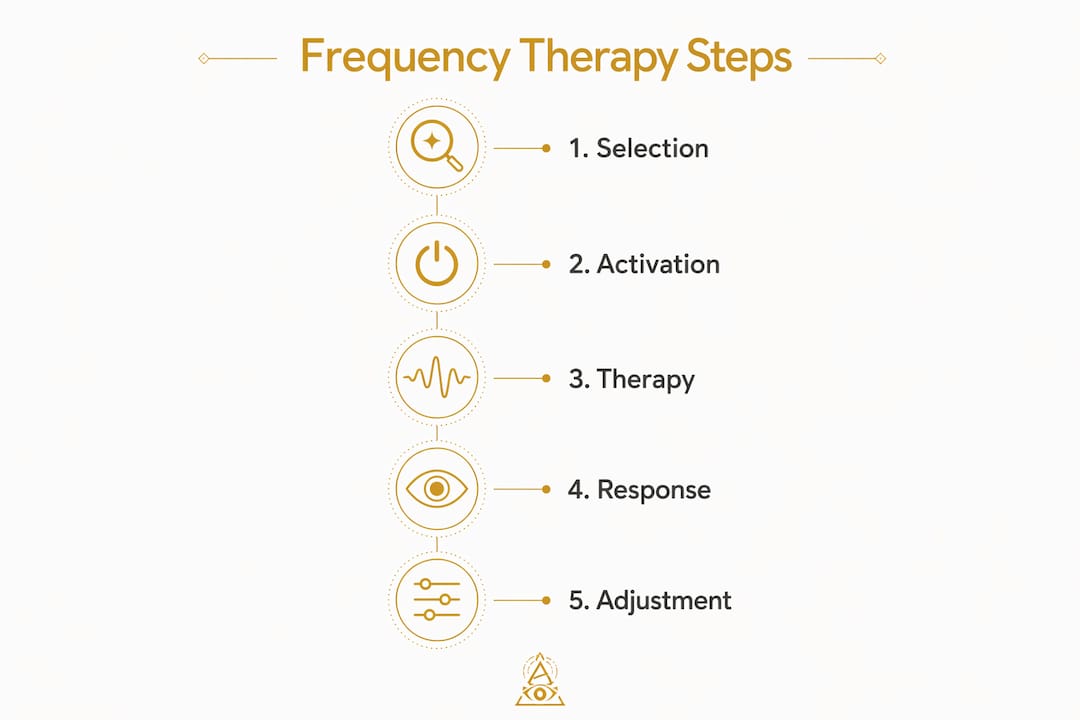
Frequencyhealing offers a full ecosystem of frequency delivery tools built around the science covered here. The platform’s haptic synthesizer generates layered vibrational sequences with calibrated amplitude and frequency architectures for calm, sleep, focus, and energetic exploration. For people who want to combine mechanical and electromagnetic frequency delivery, PEMF coils add a complementary bioelectric layer to any haptic session.
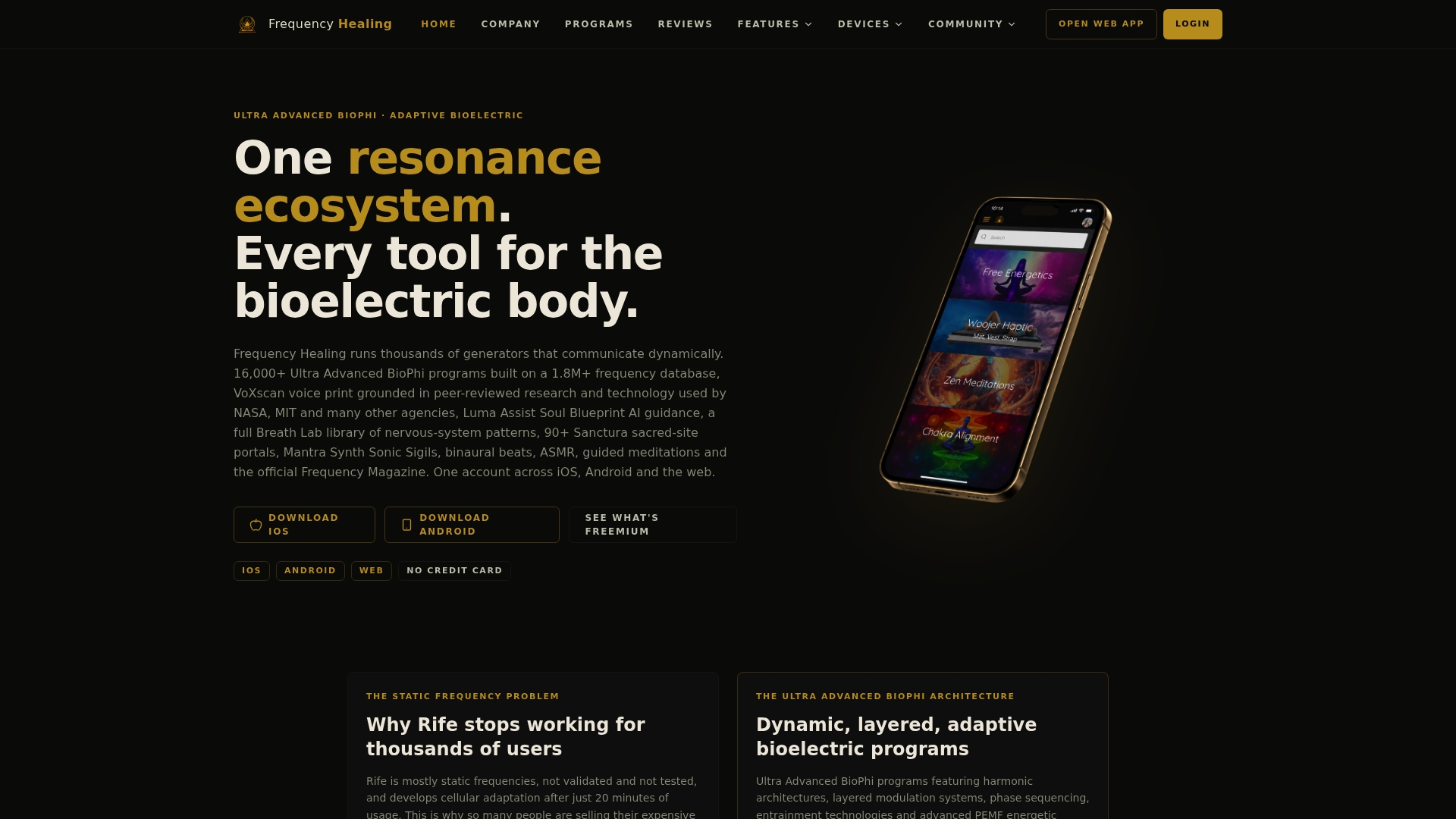
The Frequencyhealing platform also includes guided programs across PEMF, binaural audio, scalar brainwave, and BioPhi modalities, all accessible through a single app. Whether you are new to wearable frequency therapy or building a layered daily ritual, the platform gives you the tools and the science to do it with intention.
FAQ
What is haptic frequency therapy?
Haptic frequency therapy is the use of wearable devices that apply rhythmic mechanical vibrations to the skin at specific frequencies, typically 40–100 Hz, to influence the nervous system and support wellness outcomes like stress reduction, pain relief, and improved sleep.
How is haptic therapy different from sound therapy?
Haptic therapy acts through skin mechanoreceptors via mechanotransduction, while sound therapy engages the auditory nerve and limbic system through the ear. The biological pathways are distinct, and the two modalities can be used together for complementary effects.
What frequency range is most effective for haptic wearable therapy?
The 40–100 Hz range covers the full therapeutic spectrum. Frequencies between 40 and 70 Hz are most studied for pain and motor support, while 70–100 Hz targets alertness and sensory stimulation.
How long do you need to use a haptic device to see results?
Consistent daily use of three or more hours is the threshold at which measurable autonomic improvements, including HRV gains, become reliable. Short or infrequent sessions produce minimal lasting change.
Does amplitude or frequency matter more in haptic therapy?
Amplitude matters more for perceptual impact. Research shows users detect changes in vibration intensity more reliably than changes in frequency when stimulation is applied at a single body site like the wrist.