
How Frequency Affects the Body
Everything your body does — every heartbeat, thought, and muscle movement — involves electrical signaling. Cells communicate through tiny electrical currents, and the human body generates measurable electromagnetic fields. This is why the concept of frequency, defined as the rate at which energy oscillates, has drawn growing interest in holistic wellness. As of 2026, frequency-based and bioelectric approaches are among the most discussed topics in alternative health, and understanding how frequency interacts with human biology helps you evaluate these tools with clear eyes. This guide explores the science, the proposed mechanisms, the practical applications, and the important limitations of frequency-based wellness.
What Frequency Means in a Biological Context
In physics, frequency is measured in hertz (Hz), or cycles per second. Your body produces frequencies across a wide spectrum. Brain waves, for example, are commonly categorized into bands such as delta (roughly 0.5–4 Hz), theta (4–8 Hz), alpha (8–13 Hz), and beta (13–30 Hz). Heart rhythms, nerve impulses, and cellular oscillations all have their own characteristic patterns.

When wellness practitioners talk about “how frequency affects the body,” they usually mean one of two things: the body’s own electromagnetic and electrical activity, or exposure to externally generated frequencies — sound, light, magnetic fields, or pulsed electrical signals — intended to influence that activity. Both framings are grounded in the reality that living tissue is electrically active. What varies widely is the strength of evidence behind specific claims, which is why exploring the benefits of sound frequency therapy can help clarify what to expect.
The Body as an Electrical System
Bioelectricity is well-established science. Nerve cells fire through changes in electrical potential across their membranes. The heart has its own electrical conduction system, which is why electrocardiograms (ECGs) work. Muscles contract in response to electrical signals from motor neurons. Even wound healing involves electrical gradients that help guide cellular repair.
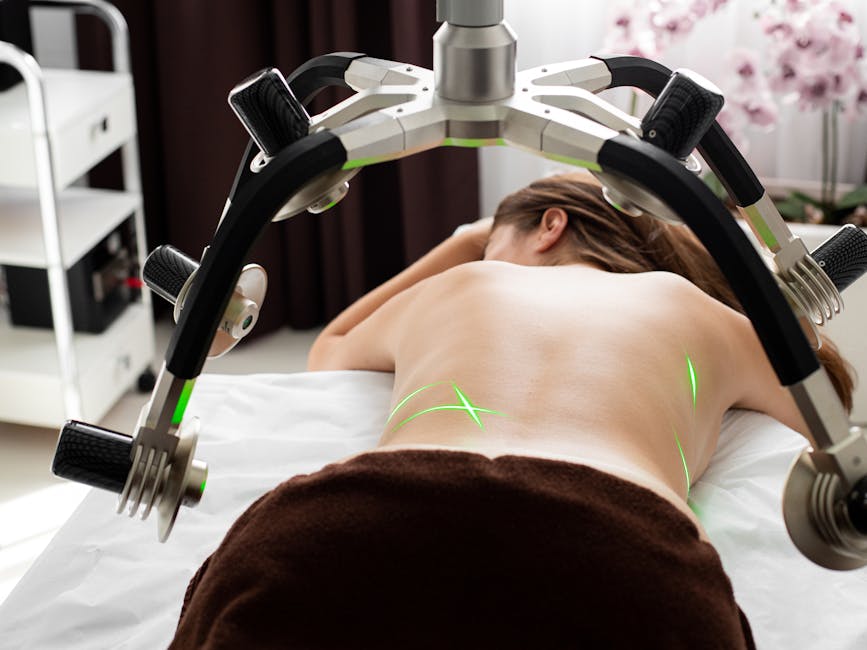
Because of this, researchers and clinicians have long used electrical and electromagnetic stimulation therapeutically. Examples include transcutaneous electrical nerve stimulation (TENS) for pain, pulsed electromagnetic field therapy explored for bone healing, and vagus nerve stimulation for certain neurological conditions. These are regulated medical applications with specific parameters, not general wellness products. Still, they demonstrate a core principle: under the right conditions, externally applied energy can influence biological processes.
How Different Types of Frequency May Influence Wellness
Sound and Vibroacoustic Frequencies
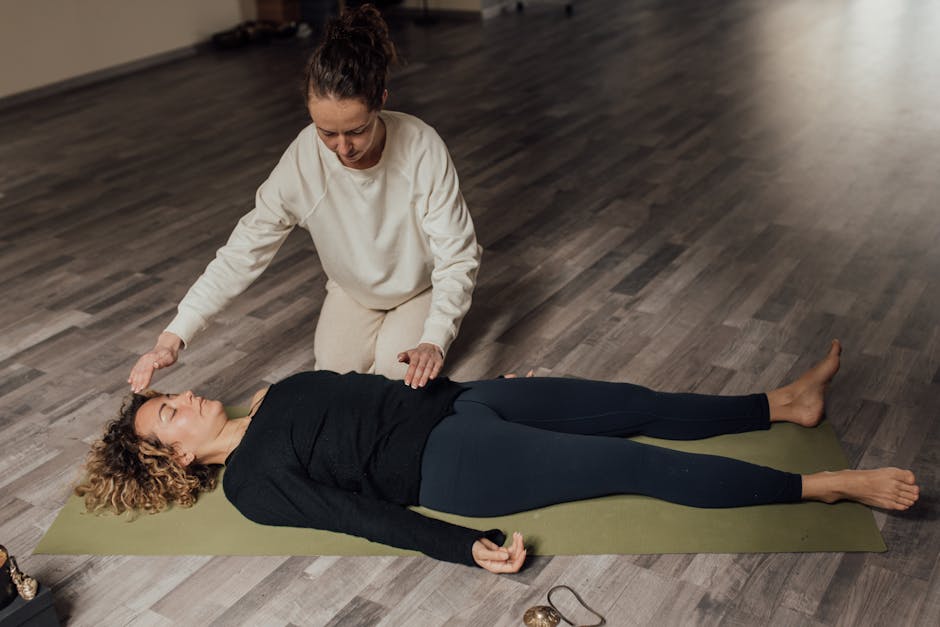
Sound is a mechanical wave, and audible frequencies range from about 20 Hz to 20,000 Hz. Sound and music have documented effects on mood, stress perception, and relaxation. Vibroacoustic therapy, which applies low-frequency sound vibrations directly to the body, has been studied for comfort and relaxation. Practices like breathwork paired with rhythmic soundscapes are popular because slow, steady rhythms can encourage slower breathing and a calmer state — a plausible pathway from frequency to felt experience.
Brainwave Entrainment
Binaural beats and similar audio techniques aim to encourage brain activity toward particular frequency bands. Some studies report modest effects on relaxation or attention, though results are mixed and the field needs more rigorous research. The honest summary: brainwave entrainment is an active area of inquiry, not a proven treatment.
Pulsed Electromagnetic Fields
Pulsed electromagnetic field (PEMF) devices generate low-intensity magnetic pulses. Some clinical uses are regulated, while consumer wellness devices make broader lifestyle claims. Evidence quality varies by application, and consumers should treat marketing claims cautiously — reading up on Rife frequency machine benefits explained is a good starting point for understanding what these devices claim to do.
Light and Circadian Frequencies
Light frequency (color and intensity) strongly influences circadian rhythm, which in turn affects sleep, hormones, and energy. Bright light in the morning and dimmer, warmer light in the evening is a well-supported way to support your body’s internal clock. Good sleep hygiene is foundational, and the Sleep Foundation offers extensive guidance on light, timing, and sleep routines.
The Problem of Cellular Adaptation to Static Frequencies
One of the more interesting ideas in frequency wellness is adaptation. Biological systems are built to notice change, not constancy. You stop feeling your clothing against your skin; you tune out a steady hum. Cells and sensory systems similarly habituate to unchanging input. In practical terms, this raises a reasonable question: if you expose the body to the same fixed frequency or program repeatedly, does its effect diminish over time?
Some wellness platforms respond by rotating frequencies and using varied, dynamic programs rather than a single static setting. PeMF Healing LLC, for instance, describes its platform as offering over 16,000 dynamic BioPhi programs and 1.8 million frequencies, with AI guidance, voice scanning, breathwork, and sacred soundscapes intended to support natural electrical balance and address adaptation to static frequencies — an approach also reflected in AI wellness coach for energy healing tools. Such diversity of input is a design philosophy; whether it produces meaningful physiological change is something individuals should evaluate personally and discuss with a qualified professional, especially if they have health conditions.
What Frequency Practices Can and Cannot Do
Frequency-based wellness is best understood as a complementary practice focused on relaxation, self-awareness, and ritual — not as a replacement for medical care. It cannot diagnose, treat, or cure disease, and no frequency program should be presented as a guaranteed solution.
What it can reasonably support:
- Relaxation and stress management, often through slow breathing and calming sound.
- Mind-body awareness, helping you notice tension, breath, and posture.
- Structured self-care routines that complement sleep, movement, and nutrition.
Frequency sessions should never substitute for evidence-based treatment of pain, anxiety, sleep disorders, or any medical condition. If you use implanted electronic devices such as pacemakers, are pregnant, or have a diagnosed condition, consult a healthcare provider before using electromagnetic or electrical wellness devices.
Building a Balanced Frequency-Friendly Lifestyle
Frequency practices work best as part of a broader foundation. Regular physical activity supports circulation, mood, and energy — the CDC physical activity guidelines outline realistic targets. The NHS exercise guidance offers accessible ways to build movement into daily life. Combine movement with consistent sleep timing, daylight exposure, hydration, and stress-reducing practices such as breathwork.
If you explore frequency-based tools, keep a simple log: what you used, for how long, and how you felt afterward. Patterns across weeks are more informative than any single session. Set realistic expectations, avoid expensive commitments before trying basics, and prioritize practices you can sustain.
Conclusion
How frequency affects the body comes down to a well-established truth — your body is an electrical, rhythmic system — paired with an evolving field of wellness applications whose evidence ranges from solid to speculative. Sound, light, breathwork, and electromagnetic approaches each interact with biology in different ways, and adaptation to static input is a legitimate design consideration. In 2026, the most sensible approach is curious but grounded: use frequency practices to support relaxation and self-care, keep them alongside proven fundamentals like sleep and exercise, and stay skeptical of promises of guaranteed results.