

Sound Therapy for Relaxation and Wellness
Sound therapy has emerged as a powerful tool for relaxation, stress reduction, and overall wellness in 2026. This ancient practice, now enhanced by modern technology and scientific understanding, uses specific sound frequencies and vibrations to promote deep relaxation, balance the nervous system, and support the body’s natural healing processes. As more individuals seek alternatives to pharmaceutical interventions for stress and anxiety, sound therapy offers a non-invasive, accessible approach to achieving profound states of calm and restoration.
The science behind sound therapy lies in the principle that everything in the universe, including our bodies, vibrates at specific frequencies. When we experience stress, illness, or emotional disturbances, these natural frequencies can become disrupted. Sound therapy works by introducing harmonious frequencies that help restore balance, allowing the body to return to its optimal state of functioning. This resonance-based approach supports the body’s innate ability to heal and regulate itself.
The Science of Sound and the Nervous System
Research in 2026 continues to validate what ancient cultures have known for millennia: sound profoundly affects our physiology and psychology. When specific frequencies reach our ears, they trigger a cascade of neurological responses that can shift our brainwave states, reduce cortisol levels, and activate the parasympathetic nervous system—our body’s natural relaxation response.
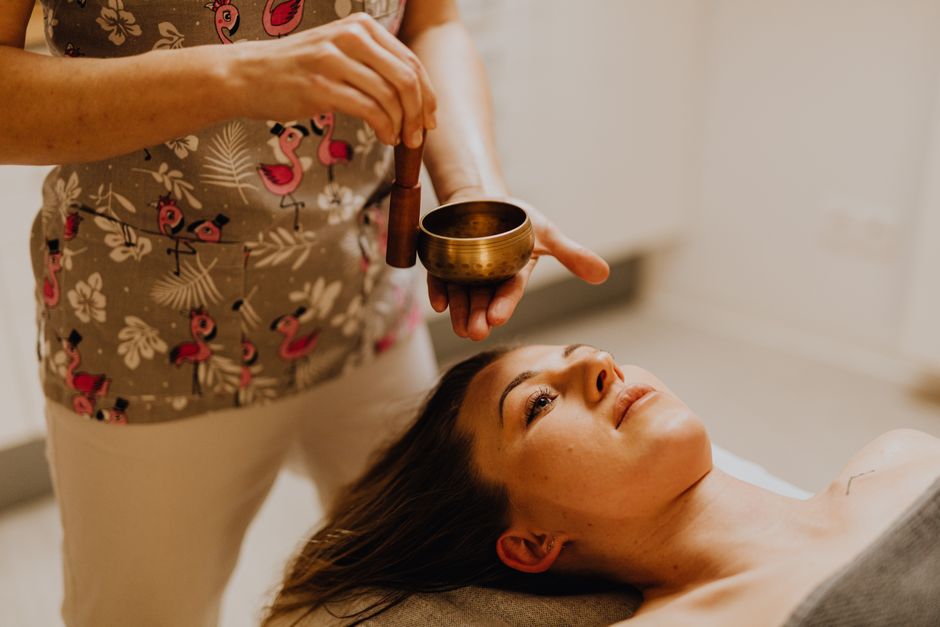
Sound waves travel through the body as vibrations, affecting not just our auditory system but every cell and organ. These vibrations can influence heart rate variability, breathing patterns, and even cellular function. Different frequencies produce distinct effects: lower frequencies tend to ground and stabilize, while mid-range tones can balance emotions, and higher frequencies may uplift and energize. This understanding has led to the development of sophisticated sound therapy protocols that target specific wellness goals.
The vagus nerve, a crucial component of the parasympathetic nervous system, responds particularly well to certain sound frequencies. When properly stimulated through sound therapy, the vagus nerve can help reduce inflammation, improve digestion, enhance mood, and promote deeper states of relaxation. This nerve-sound connection explains why many people experience profound physical and emotional shifts during sound therapy sessions.
Types of Sound Therapy for Relaxation
Sound therapy encompasses various modalities, each offering unique benefits for relaxation and healing. Traditional approaches include singing bowl therapy, where crystal or Tibetan bowls produce rich, harmonic overtones that create a meditative atmosphere. Gong baths immerse participants in powerful waves of sound that can facilitate deep emotional release and mental clarity.

Modern technology has expanded the possibilities of sound therapy significantly. Binaural beats use slightly different frequencies in each ear to create a third frequency perceived by the brain, which can guide listeners into specific brainwave states associated with relaxation, meditation, or sleep. Isochronic tones deliver regular, pulsed sounds that similarly influence brainwave patterns without requiring headphones.
Advanced frequency healing platforms now integrate artificial intelligence to personalize sound therapy experiences. These systems can analyze individual bioelectric patterns through voice analysis for holistic health and other assessment methods, then deliver precisely calibrated frequencies that address specific imbalances or wellness goals. With access to thousands of dynamic programs and millions of frequency combinations, these platforms prevent cellular adaptation—a phenomenon where the body becomes less responsive to static, repetitive frequencies.
Breathwork combined with sacred soundscapes represents another powerful modality gaining prominence in 2026. This integrated approach synchronizes conscious breathing patterns with carefully designed sound environments, amplifying the relaxation response and facilitating deeper states of consciousness. The combination creates a synergistic effect that neither practice achieves alone.
Benefits of Sound Therapy for Mental and Physical Health
The benefits of sound therapy extend far beyond simple relaxation. Regular practice can significantly reduce symptoms of anxiety and depression by regulating neurotransmitter production and promoting emotional balance. Many practitioners report improved sleep quality, as specific frequencies help entrain the brain into the delta and theta wave states associated with deep, restorative sleep. For those struggling with insomnia or disrupted sleep patterns, sound therapy offers a gentle, effective alternative to sleep medications. The Sleep Foundation recognizes the importance of relaxation techniques in improving sleep hygiene and overall sleep quality.

Physical benefits include reduced muscle tension, decreased chronic pain, and improved circulation. The vibrations from sound therapy can act as a form of cellular massage, releasing stored tension and promoting the flow of energy throughout the body. Some individuals experience enhanced immune function, likely due to the stress-reducing effects and the optimization of the body’s natural cellular electrical balance restoration.
Sound therapy also supports cognitive function by improving focus, concentration, and mental clarity. Different frequency ranges can stimulate alertness and creativity or promote the deep focus states needed for complex problem-solving. For those dealing with brain fog, mental fatigue, or difficulty concentrating, targeted sound therapy sessions can provide noticeable improvements.
Emotional well-being receives significant support from regular sound therapy practice. The deeply relaxing nature of sound sessions creates space for emotional processing and release. Many people find that sound therapy helps them access and resolve deeply held emotional patterns or trauma responses in a gentle, non-confrontational way.
Integrating Sound Therapy into Daily Life
Incorporating sound therapy into your daily routine doesn’t require extensive time or equipment. Starting with just 10-15 minutes per day can produce noticeable benefits. Morning sessions using uplifting frequencies can set a positive tone for the day, while evening sessions with calming tones prepare the mind and body for restful sleep.
Creating a dedicated space for sound therapy practice enhances the experience. Choose a quiet area where you can sit or lie comfortably without interruption. Dim lighting, comfortable temperature, and minimal distractions help facilitate deeper relaxation. Quality headphones or speakers ensure you receive the full benefit of the frequencies being delivered.
Pairing sound therapy with other wellness practices creates powerful synergies. Combining it with gentle movement practices like yoga or tai chi adds a physical dimension to the healing process. Integrating sound therapy with meditation deepens contemplative states and supports spiritual development. Even pairing sessions with simple stretching or recommended physical activity can enhance overall benefits.
Advanced practitioners may explore personalized frequency programs that adapt to their changing needs. Rather than using the same static frequencies repeatedly, dynamic programs prevent cellular adaptation by introducing variability while maintaining therapeutic effectiveness. This approach ensures continued progress and prevents plateaus in your wellness journey.
Choosing the Right Sound Therapy Approach
Selecting the most appropriate sound therapy method depends on your specific goals, preferences, and lifestyle. Those new to sound therapy might start with simple guided meditations incorporating calming music or nature sounds. As you become more experienced, you can explore more sophisticated approaches like binaural beats or isochronic tones designed for specific outcomes.
For individuals seeking comprehensive solutions, platforms offering extensive frequency libraries and AI-guided personalization provide significant advantages. These systems can identify your unique bioelectric signature and recommend programs specifically suited to your current state and desired outcomes. The ability to access thousands of programs ensures you’ll find approaches that resonate with your individual needs.
Consider your primary wellness goals when selecting sound therapy modalities. If stress reduction is your main concern, programs focusing on parasympathetic activation and cortisol reduction would be most beneficial. For sleep improvement, frequencies designed to promote delta and theta brainwave states would be appropriate. Those seeking emotional healing might prioritize programs incorporating heart-centered frequencies and emotional balancing protocols.
The quality of the sound delivery system matters significantly. High-fidelity audio equipment ensures you receive the full spectrum of frequencies without distortion. For binaural beats specifically, good quality headphones are essential, as each ear must receive its designated frequency clearly for the brain to perceive the intended differential tone.
Advanced Frequency Healing Technology
The evolution of sound therapy technology has accelerated dramatically, with 2026 seeing unprecedented sophistication in frequency healing platforms. Modern bioelectric wellness systems now integrate multiple modalities into cohesive, personalized healing experiences. These platforms recognize that each individual has unique bioelectric patterns and that these patterns change over time based on stress, lifestyle, and environmental factors.
Voice scanning technology represents a breakthrough in personalized frequency therapy. By analyzing vocal patterns, advanced systems can identify energetic imbalances and areas requiring support. This non-invasive assessment method provides real-time insights into your current state, allowing for immediate customization of therapeutic frequencies. The precision of this approach far exceeds generalized, one-size-fits-all frequency programs.
The integration of breathwork guidance with frequency delivery creates powerful transformative experiences. Conscious breathing naturally alters our physiological state, and when synchronized with precisely calibrated frequencies, the effects multiply. This combination activates the body’s natural healing responses more effectively than either practice alone, supporting both immediate relaxation and long-term resilience.
Sacred soundscapes designed using principles of bioelectric resonance create immersive healing environments. These carefully crafted audio experiences incorporate multiple frequency layers, harmonic progressions, and spatial audio elements that engage the listener on multiple levels simultaneously. The result is a deeply immersive experience that facilitates profound shifts in consciousness and physiological state.
Conclusion
Sound therapy for relaxation represents a powerful, scientifically supported approach to managing stress, enhancing wellness, and supporting the body’s natural healing capacity. As we continue to understand more about the electrical nature of biological systems and the profound influence of frequency and vibration on human health, sound therapy is positioned to become an increasingly important component of comprehensive wellness strategies.
Whether you’re just beginning to explore sound therapy or seeking more advanced, personalized approaches, the key lies in consistent practice and finding modalities that resonate with your individual needs. The integration of ancient wisdom with cutting-edge technology offers unprecedented opportunities for transformation and healing. By incorporating sound therapy into your daily routine and working with evidence-based wellness practices, you can access deeper states of relaxation, improved physical health, and enhanced emotional well-being.
The future of sound therapy is personalized, adaptive, and increasingly accessible. With platforms now offering tens of thousands of dynamic programs and millions of frequency combinations, supported by AI guidance and real-time bioelectric feedback, individuals have powerful tools for taking control of their wellness journey. As you explore the transformative potential of sound therapy, remember that consistency, openness, and patience allow the deepest benefits to unfold over time.